

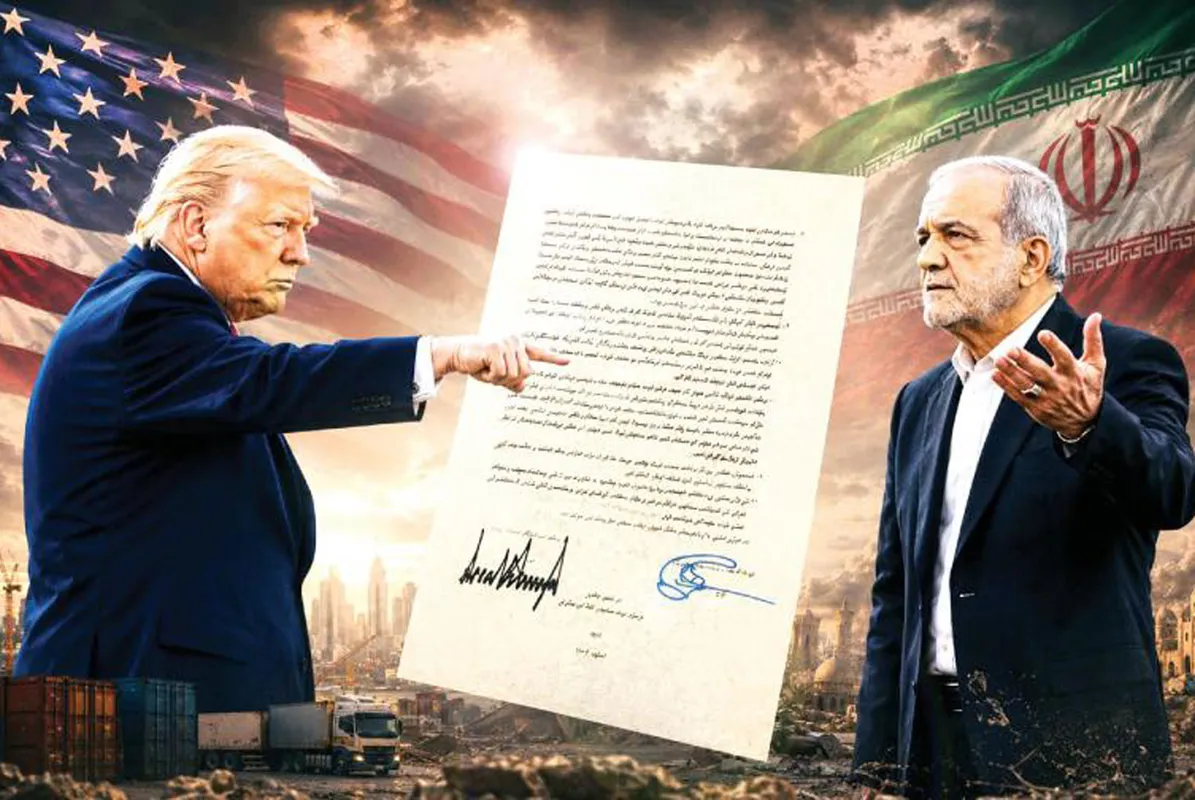
The business sector is expressing optimism following the signing of a new agreement involving Iran, a development that could significantly impact energy markets and inflation. This positive sentiment stems from the potential for de-escalation of a conflict that has been unsettling global economic stability for over three months.
Economic Relief Anticipated
Tanit Sorat, chairman of the National Labour Development Advisory Council, highlighted the agreement as beneficial for Thailand. He noted that while the nation’s reliance on Middle Eastern oil imports has decreased from approximately half to 20%, any continued conflict could have led to further price hikes for goods. This would have been driven by increased logistics charges from operators reflecting higher oil costs.
Mr. Tanit explained that if the conflict had persisted, consumers would likely have faced rising prices starting this month. However, he anticipates a substantial drop in oil prices following the formalization of the peace deal, which is scheduled to begin a 60-day negotiation period after a ceremony in Switzerland.
The potential decrease in oil prices is seen as a crucial factor in lowering inflation and stimulating domestic consumption, both vital for Thailand’s economic expansion. “Oil prices have reduced over the past couple of days, and I believe prices will fall significantly after the peace deal is signed,” Mr. Tanit stated.
Government Preparedness and Cautious Optimism
Commerce Minister Suphajee Suthumpun affirmed that the ministry and the nation are preparing for various scenarios. “The pact makes us more relaxed, as the situation will not escalate during these 60 days,” she commented, adding that the ministry will closely monitor developments throughout the negotiation period.
Analysis Points to Global and Domestic Benefits
Independent scholar specializing in international economics, Aat Pisanwanich, views the memorandum of understanding (MoU) as a positive indicator for both the global economy and Thailand. However, he cautioned that the success of the agreement hinges on the details negotiated between the involved parties, which could introduce future uncertainties.
Mr. Aat suggested that a swift decline in global crude oil prices should translate to corresponding reductions in domestic retail fuel prices. “Lower fuel prices should ease local concerns about shortages of key raw materials in the industrial sector, including plastics and chemical fertilisers. The MoU is likely to support improvements in Thailand’s exports for the remainder of this year,” he observed.
He also pointed out that while the MoU initiates a 60-day negotiation phase, the possibility of disruptions remains. A significant drop in crude prices to around $75-78 per barrel on Thursday has already prompted revisions in economic forecasts.
Revised Economic Outlook
Poonyawat Sreesing, a senior economist at Siam Commercial Bank’s Economic Intelligence Center (EIC), acknowledged lingering uncertainties, partly attributed to the personality of the US president. Nevertheless, the recent price drop has led the EIC to adjust its oil price estimates for the year downwards, from $95 to $85-90 per barrel. The research center has also lowered its inflation outlook to under 3% and upgraded its Thai GDP growth forecast to approximately 2%, up from a previous estimate of 1.7%.
Key Terms and Lingering Questions
The agreement reportedly includes a commitment from Washington to waive oil sanctions and facilitate the release of a reconstruction fund, while Tehran agrees to dilute its enriched uranium during talks on a long-term accord.
Mr. Aat highlighted that while the MoU aims to limit nuclear arms, it does not mandate their dismantling, which could be a point of concern for certain nations. Another sensitive issue for Israel involves armed groups in Lebanon, and the MoU’s stance on support for such groups remains a subject of scrutiny.
Regarding passage through the Strait of Hormuz, the agreement stipulates no transit fees. However, Iran’s ability to control the strait raises questions about whether passage would require its permission. The establishment of the Persian Gulf State Authority, tasked with overseeing the strait and potentially collecting fees in various currencies, adds another layer of complexity.
Minister Suphajee reiterated the Commerce Ministry’s ongoing focus on ensuring fair prices, reducing living costs, and supporting businesses. “We are not placing all our hopes on this MoU. However, it is a positive sign of easing tensions over the next 60 days,” she concluded.
