

As Brazil grapples with pervasive crime and insecurity, the controversial security model employed by El Salvador’s President Nayib Bukele is increasingly being eyed by some voters and politicians. This approach, characterized by a hardline stance and mass arrests under a state of emergency, has significantly reduced gang violence in El Salvador, sparking interest among those seeking similar solutions in Brazil. However, the efficacy and human rights implications of such measures are subjects of intense debate.
The Appeal of Bukele’s Security Model
For many Brazilians, the daily reality of crime—from rampant street theft to the pervasive influence of powerful organized crime groups like Comando Vermelho and Primeiro Comando da Capital (PCC)—makes security the paramount concern. Recent polls indicate a strong public appetite for tougher measures, with a significant majority favoring stricter sentences and a lower age of criminal responsibility. This sentiment has been amplified by right-wing political figures who see El Salvador’s experience as a potential blueprint.
Flavio Bolsonaro, son of the former president, has openly praised El Salvador’s turnaround as “inspiring.” He has proposed adopting elements of Bukele’s strategy, including the construction of maximum-security mega-prisons and the designation of major Brazilian criminal factions as terrorist organizations. This rhetoric resonates with voters frustrated by the perceived leniency of the justice system and the frequent release of arrested suspects.
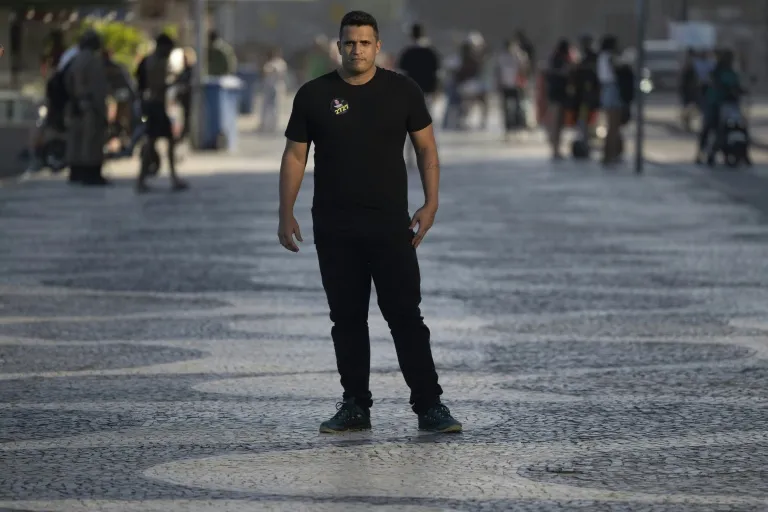
Supporters of the Bukele model often frame it as a necessary, albeit harsh, treatment for a deeply entrenched problem. One individual, a martial arts instructor, expressed a desire to see “criminals get a reality check” in Brazil, likening the necessary crackdown to chemotherapy for cancer—a painful but potentially effective cure for a severe disease. Another citizen, a taxi driver, voiced a common sentiment that “Brazilian law protects criminals, not law-abiding citizens,” recounting personal fears that led him to stop working night shifts after a colleague was ambushed.
Criticism and Concerns Over Human Rights
Despite its popularity and reported success in reducing violence, Bukele’s security strategy has drawn sharp criticism from human rights organizations. Allegations of arbitrary detentions, torture, and deaths in custody have cast a shadow over the mass arrests and imprisonment that form the core of his approach. Critics argue that these methods undermine fundamental democratic safeguards and due process.
In Brazil, these concerns are echoed by those who fear a similar approach could exacerbate existing issues of police brutality and impunity. Sonia Bonfim Vicente, who has personally experienced the tragic consequences of violence during police operations, warns that granting security forces greater unchecked power could lead to a “bloodbath.” She shared her harrowing experience of her daughter being shot by police and her husband and son later killed in an operation, allegations of their involvement in armed activity that she is still contesting in court. Vicente believes that such a hardline model would result in more innocent lives lost and immense suffering for families.
Complexity of Brazil’s Criminal Landscape
Experts caution that directly transplanting El Salvador’s model to Brazil may be ineffective due to significant differences in the nature and scale of criminal activities. Political scientist Robert Muggah of the Igarape Institute points out that while Salvadoran gangs primarily focused on territorial control and extortion, Brazilian organized crime groups like PCC and Comando Vermelho have a far more complex and international reach. These factions have infiltrated legitimate businesses and global financial networks, making them harder to dismantle solely through mass incarceration.
Muggah suggests that the Bukele model, while seemingly effective in El Salvador’s context, could “weaken democratic safeguards without achieving the dramatic reduction in violence seen in El Salvador” in Brazil. The intricate financial operations and international presence of Brazilian criminal organizations require multifaceted strategies that go beyond traditional law enforcement tactics.
Alternative Strategies and Political Landscape
Brazil’s current leftist President, Luiz Inacio Lula da Silva, has largely avoided the hardline rhetoric favored by his rivals. Accused by opponents of being too lenient on crime, Lula’s administration has instead focused on a strategy of “financial suffocation.” This approach aims to cripple criminal factions by cutting off their access to assets and disrupting their money laundering operations. This method targets the economic underpinnings of organized crime, offering a different path to addressing insecurity.
As Brazil approaches its elections, the debate over security policy remains a central issue. The stark contrast between the proposed hardline measures inspired by El Salvador and the current administration’s focus on financial disruption highlights the diverging visions for tackling crime. The choice voters make will significantly shape the future of public safety and human rights in the country.
Conclusion: A Complex Choice Ahead
The allure of a swift, decisive solution to crime, as seemingly demonstrated in El Salvador, is understandable for a population deeply affected by violence. However, the potential human rights costs and the complex realities of Brazil’s criminal landscape necessitate a cautious and nuanced approach. The debate over adopting Bukele’s security model underscores the critical challenge of balancing public safety with the protection of fundamental rights and democratic principles.
