

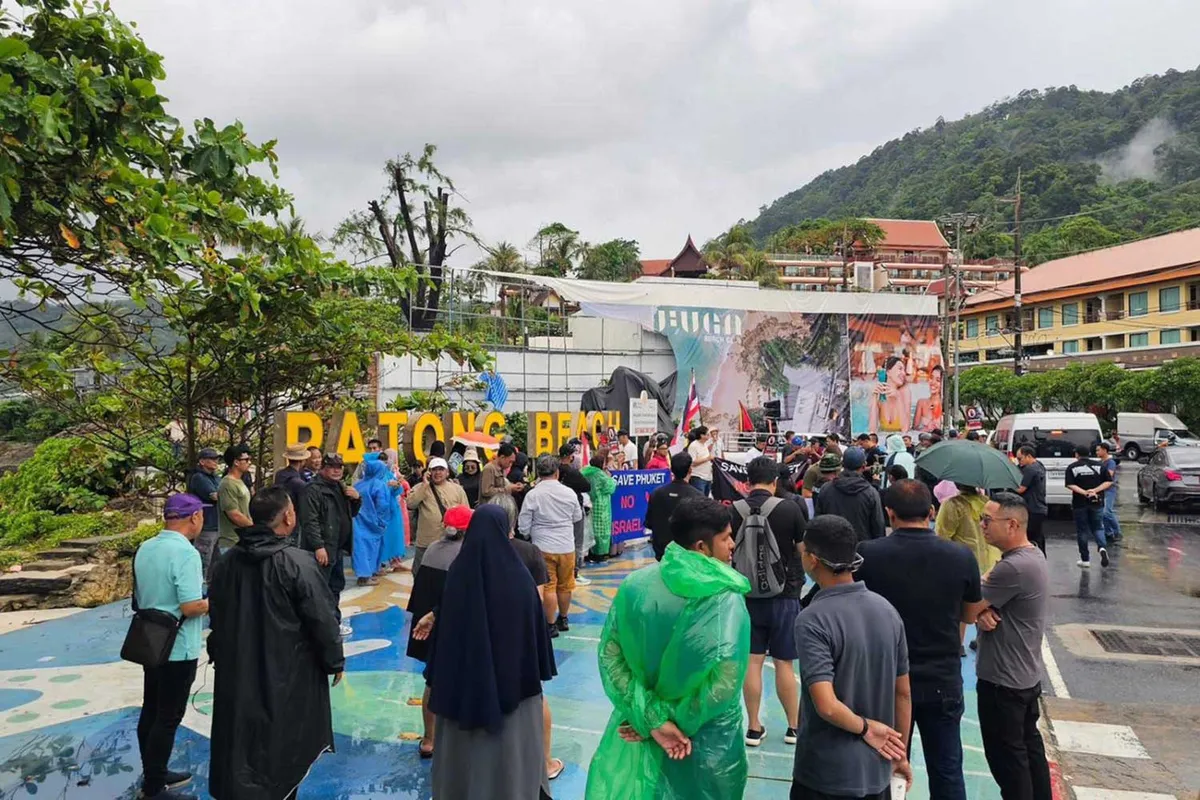
Recent months have seen a significant increase in tensions surrounding the presence of Israeli expatriate communities in various regions. This growing foreign footprint has ignited discussions and concerns regarding land ownership, residency arrangements, and the broader implications for local communities. The situation highlights a complex interplay of economic development, foreign investment, and the social fabric of the areas where these communities are establishing themselves.
Understanding the Core Issues
The friction stems from several key areas. Primarily, questions are being raised about the legal frameworks governing the presence and land acquisition by Israeli nationals. Concerns often revolve around whether existing regulations are being adequately applied or if special arrangements have been made. This includes scrutiny of nominee arrangements, where local individuals might hold land on behalf of foreign buyers, a practice that can obscure true ownership and potentially circumvent foreign ownership laws.
Furthermore, the economic impact of these communities is a subject of debate. While foreign investment can bring capital and development, there are often concerns about the extent to which benefits are shared with the local population. Issues such as rising property values, potential displacement of local residents, and the impact on local businesses are frequently cited.
Land Holdings and Residency Concerns
The specifics of land holdings by Israeli expats are a focal point of the rising tensions. Reports suggest that in some areas, Israeli nationals have acquired significant tracts of land, leading to anxieties about the long-term demographic and economic landscape. The transparency of these transactions is often questioned, with calls for clearer regulations and enforcement to ensure fair play and prevent potential exploitation of loopholes.
Residency arrangements also fall under scrutiny. While many expats live and work in the country legally, the scale and nature of some Israeli community formations have prompted deeper examination of visa processes, work permits, and the overall integration of these communities into the national fabric. The perception that certain groups might be operating outside or on the fringes of established immigration and residency rules fuels public unease.
Broader Implications and Local Reactions
The presence of Israeli expat communities is not just an issue of land and residency; it touches upon broader societal and cultural considerations. In some locales, the rapid establishment of distinct communities has led to discussions about cultural integration, social cohesion, and the potential for parallel societies to emerge. Local residents often express a desire for greater clarity on government policies concerning foreign communities and a stronger voice in decisions that affect their immediate environment.
Economic analysts point out that while foreign investment is generally encouraged, its implementation needs careful management to ensure equitable distribution of benefits and to mitigate potential negative externalities. The current situation underscores the need for robust policy frameworks that balance the advantages of foreign presence with the imperative to protect national interests and local well-being.
Government Response and Future Outlook
Official responses to these growing concerns have varied. Some government bodies have initiated reviews of existing land ownership and residency regulations, signaling an intent to address the issues raised. However, critics argue that the pace of action is too slow and that more decisive measures are needed to restore public confidence.
The situation demands a delicate balancing act from the authorities. On one hand, maintaining a welcoming environment for foreign investment and skilled expatriates is crucial for economic growth. On the other hand, addressing the legitimate concerns of local populations regarding land, residency, and social impact is paramount for social stability and national cohesion. Moving forward, a transparent and well-communicated policy approach, coupled with consistent enforcement, will be key to navigating these complex tensions and ensuring that the presence of foreign communities contributes positively to the nation’s development.
Conclusion
The rising tensions surrounding Israeli expat communities highlight critical questions about foreign land ownership, residency, and integration. As these communities grow, so does the need for clear, equitable, and transparent policies. Addressing these concerns effectively will require a concerted effort from government bodies, local communities, and foreign nationals alike to foster mutual understanding and ensure sustainable development that benefits all stakeholders.
