

Japan Reinforces Copyright Stance Following Controversial Video
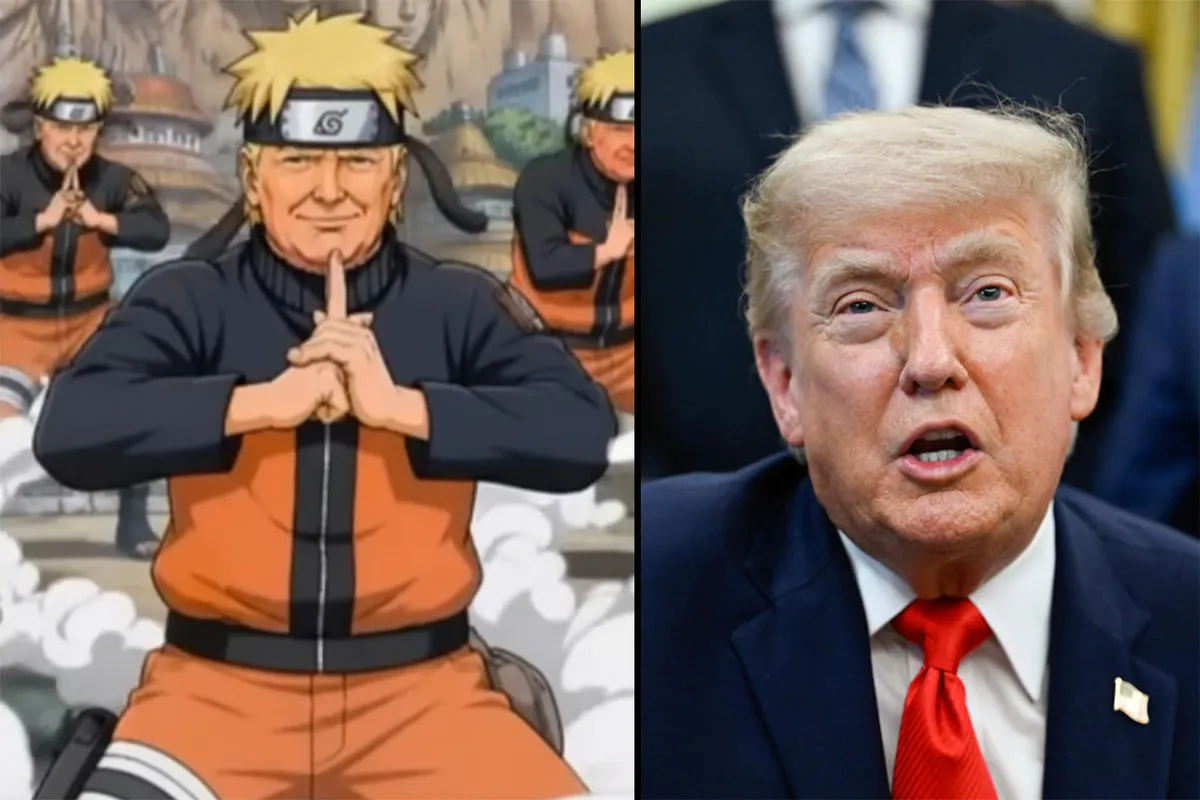
Japan is reiterating its firm stance on the use of copyrighted material, emphasizing the necessity of obtaining permission from rights holders, even for public institutions. This clarification comes in the wake of a video posted on a prominent political figure’s social media account featuring anime imagery.
Promoting Cultural Exports and Copyright Principles
Kimi Onoda, the minister responsible for the “Cool Japan” initiative aimed at boosting Japanese cultural exports, addressed the issue at a press conference. She stated that the fundamental principle of securing permission from copyright owners is universally applicable. “This basic principle applies equally when the user is a public institution,” Onoda affirmed.
Onoda highlighted the potential ramifications of unauthorized use, even in cases that might not be immediately recognized as copyright infringement. “Even in cases that may not clearly constitute copyright infringement, there is a risk that a work may be used in a manner contrary to the rights holder’s intentions, damaging the work’s image and causing harm to the rights holder,” she explained, urging “utmost caution” on the matter.
Japan has reportedly communicated its position on such copyright issues to the United States through diplomatic channels on numerous occasions, underscoring the importance of respecting intellectual property rights in international exchanges.
Context of the Viral Video
The video in question, which appeared on social media last Saturday, depicted the political figure in various scenarios, including a portrayal as Naruto, the central character from the renowned ninja-themed anime and manga series. The post subsequently drew criticism online.
This is not the first instance where Japanese cultural properties have been utilized in similar contexts. During the previous administration, posts from the White House’s official X account (formerly Twitter) have featured imagery that appeared to be derived from Nintendo Co’s “Wii Sports” video game. These instances were related to communications concerning strikes in Iran amidst the US-Israeli conflict.
