

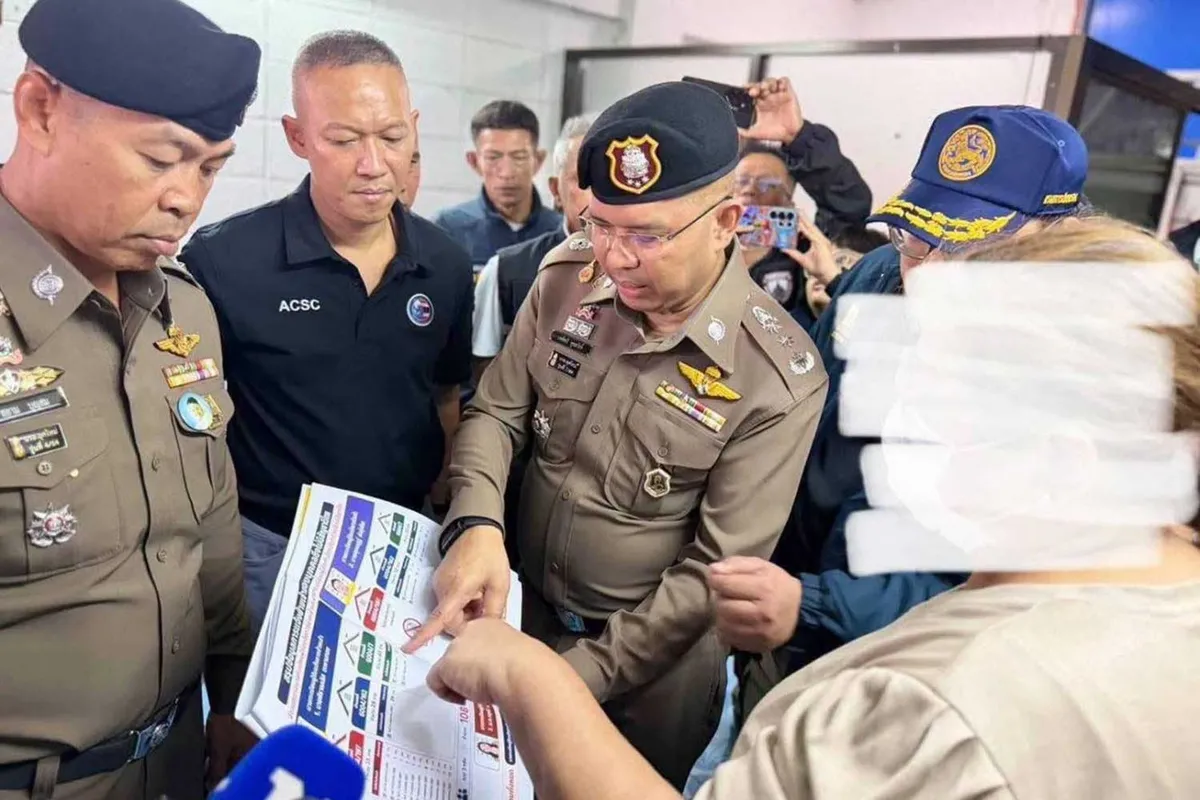
A significant registration scam involving numerous Myanmar children has been brought to light following an inquiry at the Din Daeng district office in Bangkok. The situation came to a head when a registration officer questioned a woman, identified only as Aor, about the unusually high number of foreign children—64 in total—listed on her family’s household registration, prompting a broader investigation into fraudulent practices.
Unusual Household Registration Sparks Investigation
The discovery was made in June when Aor visited the Din Daeng district office for routine administrative matters. During her interaction with a registration officer, the discrepancy in her household registration records became apparent. The presence of 64 Myanmar children, all seemingly linked to a single, small flat, raised immediate red flags. This unusual situation prompted the officer to initiate a deeper look into the registration, uncovering what appears to be a sophisticated scam designed to circumvent immigration and registration laws.
Sources indicate that the investigation, initially confined to the Din Daeng district, is now expanding to a national level due to the potential scale and implications of the fraudulent registration scheme. The scam appears to involve the illicit use of Thai household registration documents to legitimize the presence of foreign nationals, potentially for purposes such as accessing social services, employment, or avoiding detection by authorities.
The Mechanics of the Registration Scam
While the full details of how the scam operated are still under investigation, preliminary findings suggest a systematic approach to exploiting the Thai registration system. It is believed that individuals or groups facilitated the fraudulent listing of these children onto existing or fabricated household registrations. The use of a single, small flat as the listed address for such a large number of children points to a clear artificiality in the documentation.
Such registrations, if not legitimate, could offer a false sense of security and legal standing to the individuals involved. For the children, being improperly registered could have long-term implications regarding their legal status, access to education, and future opportunities. For the individuals whose names and addresses were used, it could lead to legal complications and penalties.
National Implications and Broader Concerns
The expansion of the investigation to a national level underscores the seriousness of the findings. Authorities are now concerned about the possibility of similar fraudulent registration schemes operating in other districts or cities across Thailand. The case highlights vulnerabilities in the household registration system that could be exploited by individuals seeking to obscure the true status and whereabouts of foreign nationals.
The Thai government has long sought to manage and regulate the presence of foreign nationals within its borders. Accurate household registration is a cornerstone of this effort, providing essential data for planning and security. Scams like the one uncovered in Din Daeng undermine these efforts and can have far-reaching consequences, including potential impacts on national security, social services, and the labor market.
Potential Motivations Behind the Scam
Several potential motivations could be driving such a scam:
- Facilitating Illegal Employment: Registered individuals may have easier access to certain types of employment, even if their work status is not fully compliant.
- Accessing Social Services: Proper registration can sometimes be a prerequisite for accessing healthcare, education, or other social welfare programs.
- Avoiding Deportation or Detection: Individuals seeking to remain in Thailand without proper visas or work permits might use fraudulent registrations to avoid immigration enforcement.
- Human Trafficking or Exploitation: In more severe cases, such schemes could be linked to organized crime, human trafficking, or the exploitation of vulnerable individuals, including children.
Government Response and Future Measures
In response to this discovery, relevant government agencies, including the Ministry of Interior and the Immigration Bureau, are expected to review and potentially enhance the verification processes for household registrations, particularly those involving a high number of foreign nationals. Stricter checks and cross-referencing with immigration data are likely to be implemented to prevent future occurrences.
The investigation aims to identify all individuals involved, including those orchestrating the scam and those who benefited from it. Authorities are urging anyone with information regarding similar fraudulent activities to come forward. The focus remains on ensuring the integrity of the registration system and protecting the rights and well-being of all individuals, especially vulnerable children, residing in Thailand.
Conclusion: Upholding Registration Integrity
The Din Daeng registration scam serves as a stark reminder of the importance of robust administrative systems and vigilant oversight. The uncovering of 64 Myanmar children being fraudulently registered highlights a critical issue that demands thorough investigation and decisive action. As the probe expands nationally, the focus will be on dismantling the network behind the scam, holding those responsible accountable, and reinforcing the systems designed to ensure accurate and legitimate residency records for all individuals within Thailand.
