

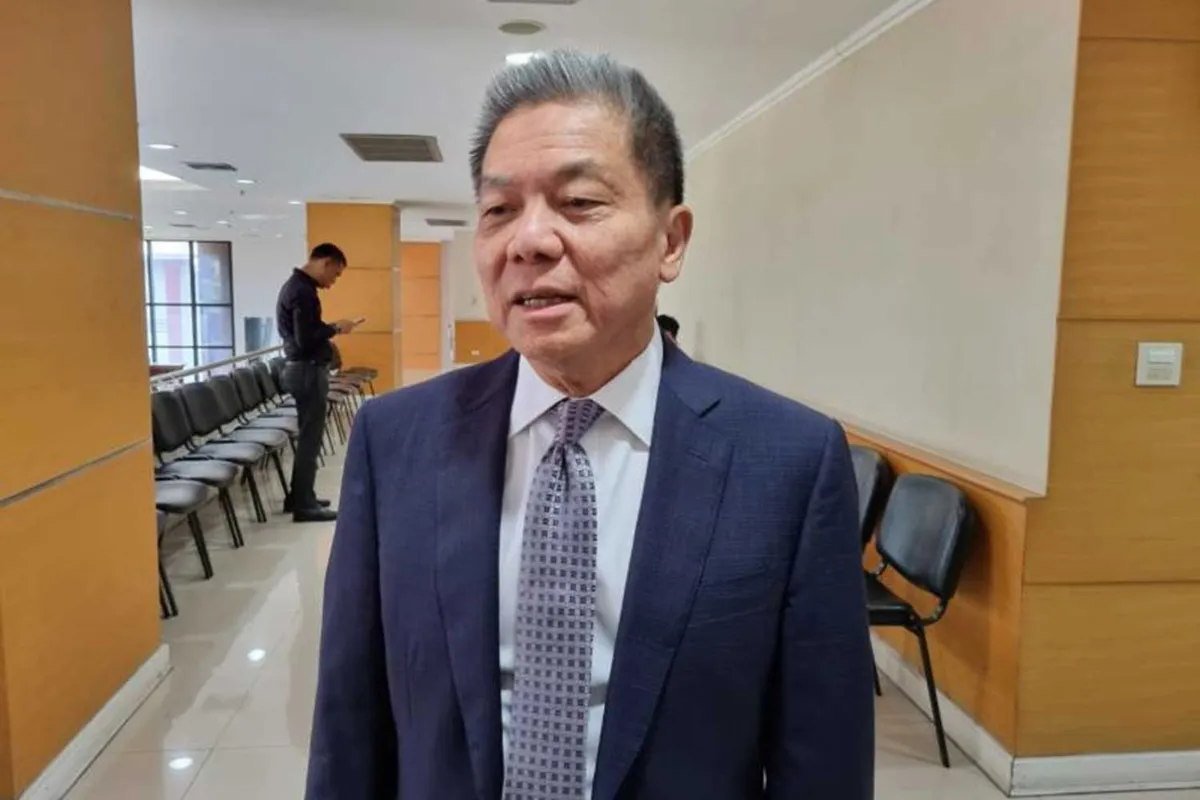
A significant controversy surrounding the qualifications of the National Broadcasting and Telecommunications Commission (NBTC) chairman, Dr. Sarana Boonbaichaiyapruck, is intensifying, prompting calls for Prime Minister Srettha Thavisin to intervene. The core of the dispute lies in a resolution passed by the NBTC selection committee on July 17, which declared Dr. Sarana ineligible to hold his position. This situation has led to legal challenges and raised questions about the independence and transparency of Thailand’s regulatory framework.
The Central Dispute: Dr. Sarana’s Qualifications
The NBTC selection committee’s resolution on July 17 asserted that Dr. Sarana Boonbaichaiyapruck lacked the necessary qualifications to serve as NBTC chairman, citing provisions within the 2010 NBTC Act. This law stipulates that commissioners must not hold positions as employees of state agencies or state enterprises, nor serve as directors or advisors to such entities.
The committee’s decision stemmed from evidence suggesting Dr. Sarana retained temporary employee status as a physician at Ramathibodi Hospital’s Faculty of Medicine. This alleged status, with hourly payments reportedly received from January 8 to April 12, 2022, overlapped with his selection process and subsequent royal appointment as an NBTC commissioner on April 13, 2022. The selection committee interpreted this as a violation of the NBTC Act’s eligibility requirements.
Dr. Sarana’s Defense and Counterarguments
Dr. Sarana has contested the selection committee’s findings. He maintains that he resigned from government service on January 8, 2022, prior to his royal appointment, and was not an employee at the time the committee made its resolution. Furthermore, he has presented evidence indicating that his resignation from the Faculty of Medicine at Ramathibodi Hospital was submitted after his selection by the Senate and before his official royal appointment.
These assertions challenge the basis of the selection committee’s resolution, suggesting that the alleged conflict of interest did not exist or was properly addressed before his appointment took effect.
Legal Proceedings and Court Rulings
In response to the selection committee’s resolution, Dr. Sarana filed a petition with the Central Administrative Court. However, the court dismissed his case. The dismissal was not based on the legality of the selection committee’s resolution itself, but rather on procedural grounds. The court ruled that Dr. Sarana had not yet suffered a legally actionable injury, meaning the conditions necessary for the court to formally consider his lawsuit had not been met.
This court ruling has been interpreted by some legal experts to mean that Dr. Sarana remains the lawful NBTC chairman. The process for seeking a royal command to officially remove him from his post has not yet been initiated by Deputy Prime Minister and Commerce Minister Anutin Charnvirakul, who oversees the NBTC.
Questions Regarding the Selection Committee’s Authority
A significant point of contention is the authority of the NBTC selection committee to revisit or revoke the status of commissioners after their royal appointment. Legal experts and former members of the selection committee have raised serious doubts about this power.
- Narong Ratamarit’s Stance: A former selection committee member, Narong Ratamarit, formally communicated to the prime minister and the Senate president that the committee’s responsibilities concluded once the NBTC selection process was finalized and the candidates received their royal appointments. He argues that the NBTC Act does not grant the committee the authority to review or annul commissioners’ status post-appointment.
- Yupin Chalanonniwat’s View: Another former selection committee member, Yupin Chalanonniwat, reportedly shares the view that the committee’s mandate ended with the royal appointments.
These perspectives suggest that the July 17 resolution by the selection committee may have exceeded its legal authority, further complicating the dispute over Dr. Sarana’s chairmanship.
Additional Qualification Concerns Emerge
Adding another layer to the controversy, questions have arisen regarding the qualifications of Kiatipong Amatayakul, who chaired the selection committee meeting on July 21, 2026, that approved the resolution concerning Dr. Sarana. Reports suggest that Mr. Kiatipong may have been over 70 years old at the time of the meeting. This raises potential issues about his eligibility to serve as a member of the selection committee under the relevant NBTC laws, which may have age restrictions for such roles.
Calls for Prime Ministerial Intervention
Amidst the ongoing legal and procedural complexities, Dr. Sarana Boonbaichaiyapruck has formally written to Deputy Prime Minister Anutin Charnvirakul. In his letter, Dr. Sarana seeks justice and urges Mr. Anutin to address the deadlock at the NBTC concerning his qualifications. The situation has created uncertainty within the regulatory body, impacting its operational efficiency and potentially its credibility.
Legal experts emphasize the importance of resolving these disputes through a legal and transparent process. Such a resolution, they argue, is crucial for several reasons:
- Safeguarding the independence of the telecom regulator.
- Minimizing the likelihood of future litigation.
- Reinforcing confidence among investors, telecom operators, and other stakeholders in Thailand’s regulatory framework.
The Prime Minister’s intervention is seen by many as a necessary step to provide clarity, ensure adherence to legal processes, and uphold the integrity of the NBTC and the broader regulatory environment in Thailand.
Conclusion: Navigating a Complex Regulatory Challenge
The controversy surrounding NBTC chairman Dr. Sarana Boonbaichaiyapruck highlights a complex interplay of legal interpretations, procedural challenges, and questions of authority within Thailand’s regulatory bodies. The Central Administrative Court’s dismissal of Dr. Sarana’s petition, while procedural, leaves the core issue of the selection committee’s resolution unresolved. Coupled with doubts about the committee’s authority post-appointment and emerging concerns about other members’ qualifications, the situation demands careful consideration. The calls for Prime Minister Srettha Thavisin’s intervention underscore the need for decisive leadership to navigate this dispute, protect the NBTC’s independence, and maintain investor confidence in Thailand’s regulatory landscape.
