

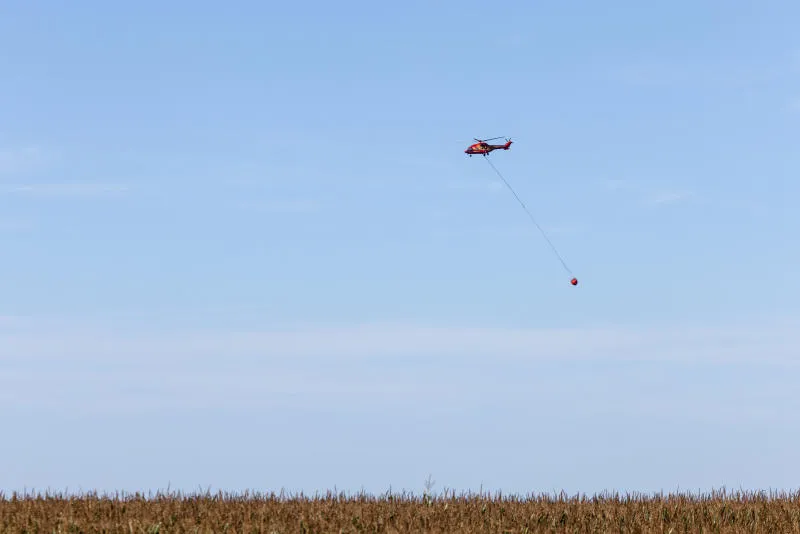
France is currently grappling with a severe drought, leading to water usage restrictions across nearly 70% of its territory. This situation is exacerbated by a series of intense heatwaves over the past three months, which have shattered temperature records, contributed to thousands of excess deaths, and fueled extensive wildfires.
Nationwide Water Scarcity and Restrictions
The Ministry for Ecological Transition has highlighted the increasing pressure on water resources due to climate change, stating, “As France is experiencing a particularly severe drought, the effects of climate change continue to increase pressure on water resources.” Consequently, a significant portion of the country is now under mandatory water usage limitations. As of Sunday, the vast majority of mainland France, including the capital, Paris, was subject to at least the initial stages of water warning protocols. Alarmingly, 67 out of the nation’s 101 departments are under the highest level of crisis alert, necessitating stringent conservation measures.
Understanding the Alert Levels
The severity of the drought dictates the level of restrictions imposed. In areas designated under the highest alert, water is strictly reserved for essential services. These priority uses include maintaining healthcare facilities, supporting civil protection efforts, ensuring access to drinking water, and upholding sanitation standards. For regions under lower alert levels, the restrictions are less severe but still impact daily life. These typically involve limitations on non-essential activities such as watering private gardens and public green spaces, filling swimming pools, washing vehicles, and irrigating agricultural land.
Depleted Aquifers and Groundwater Reserves
Further underscoring the gravity of the drought, the French Bureau of Geological and Mining Research (BRGM) reported on Monday that two-thirds of the country’s aquifers have fallen below their normal levels. These underground water sources are crucial for supplying a significant portion of France’s drinking water. While a drawdown of groundwater is common during the summer months, the BRGM noted that this year’s depletion is particularly pronounced. This intensified reduction is attributed to a substantial shortfall in effective rainfall during July, coupled with a heightened demand for water across various sectors, notably agriculture and the tourism industry.
Record Heat and Rainfall Deficits
The meteorological data paints a stark picture of the environmental conditions. July was recorded as the hottest month ever experienced in France. Furthermore, it ranked as the third driest July on record, with a nationwide precipitation deficit nearing 70%, according to Meteo-France, the national weather agency. This combination of extreme heat and minimal rainfall has placed immense strain on the nation’s water systems.
Impact on Drinking Water Supplies
The strain on water resources is not merely theoretical; it is directly impacting the availability of drinking water for residents. Ecology Minister Monique Barbut stated on July 27 that drinking water supplies were “under strain in several areas.” She noted that water cuts had already affected more than 30,000 people, with authorities resorting to supplying drinking water via tanker trucks or bottled water in affected communities. The minister announced plans to convene a crisis meeting specifically addressing the drought situation on Wednesday.
Anticipation of Further Heatwaves
The drought crisis unfolds against the backdrop of an anticipated new heatwave affecting France and other parts of Europe. Meteo-France issued a warning on Monday indicating that temperatures in the southeast of the country could reach as high as 35°C. This heat is expected to spread further inland as the week progresses, potentially intensifying the demand for water and exacerbating the existing drought conditions. The ongoing situation highlights the critical need for robust water management strategies and adaptation measures in the face of a changing climate.
Conclusion: A Call for Water Conservation
The widespread water restrictions across France serve as a critical reminder of the profound impact of climate change on essential resources. With nearly 70% of the country under some form of water limitation, and with record-breaking heat and depleted aquifers, the situation demands immediate and sustained attention. The government’s planned crisis meeting underscores the seriousness of the drought. As France and Europe brace for further heatwaves, the importance of water conservation for essential services, agriculture, and daily life cannot be overstated. The current crisis underscores the urgent need for long-term strategies to manage water resources effectively in an era of increasing climate volatility.
