

Northern Rivers Grapple with Persistent Toxic Contamination
Communities in Thailand’s North are facing a significant and ongoing threat from heavy metal pollution in their vital river systems. Concerns are mounting over severe long-term health, economic, and environmental repercussions, according to recent assessments.
On-Site Investigation Reveals Widespread Impact
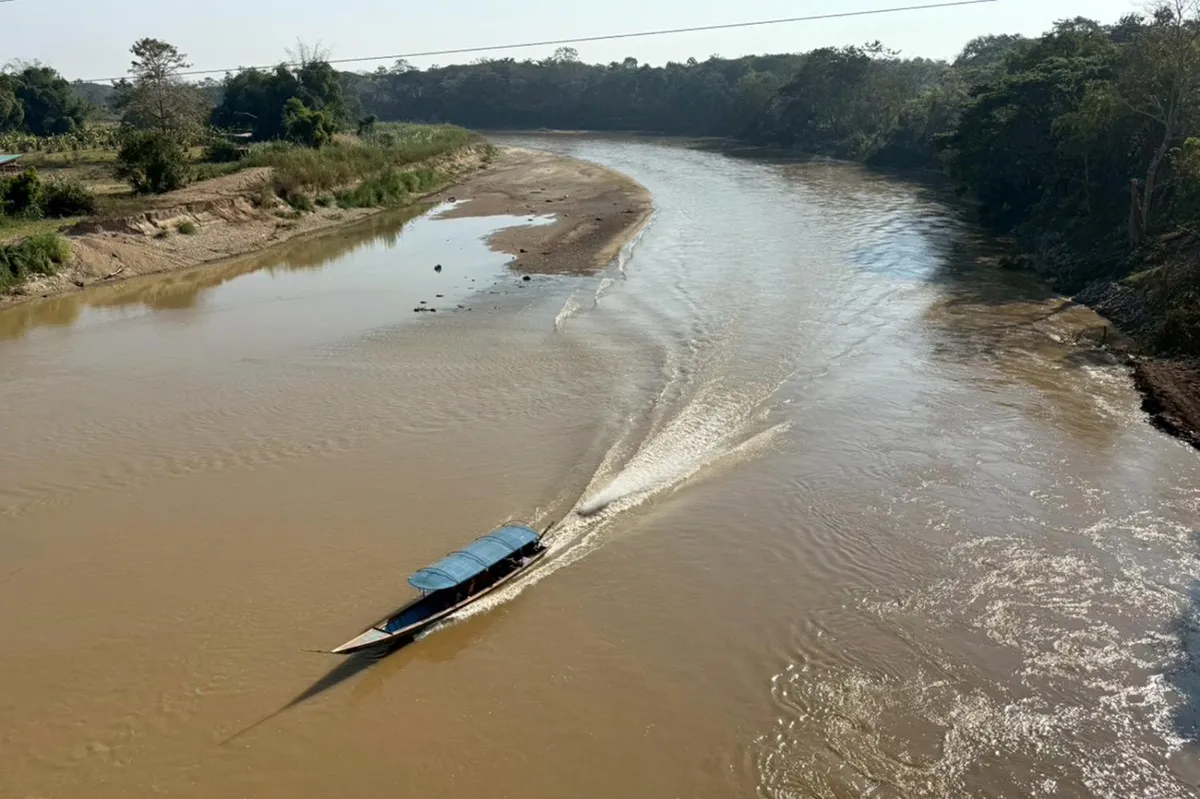
A recent tour of Chiang Khong district in Chiang Rai province provided a stark look at chemical contamination affecting the Kok, Sai, Ruak, and Mekong rivers. The examination focused on the direct impact of this pollution on local residents’ well-being and explored the potential of the National Health Act to mitigate these effects.
Songpol Tulata, director of the Northern Public Policy Office, highlighted that last year’s contamination crisis exposed significant shortcomings in how state agencies handle environmental issues. He noted that efforts were often fragmented, with individual agencies distributing information rather than adopting a unified strategy.
Health and Economic Toll on Local Populations
In collaboration with Chiang Mai University’s Faculty of Public Health, a rapid health impact assessment was conducted, surveying 424 residents in Chiang Mai and Chiang Rai. The findings revealed that the most affected individuals were predominantly low-income farmers, with monthly earnings below 5,000 baht.
A striking 91% of surveyed residents observed visible abnormalities in the condition of the rivers. Consequently, approximately 70% reported altering their water usage habits, which included purchasing drinking water and ceasing all recreational activities involving the rivers.
The economic consequences have been equally severe. Around 63% of households experienced a monthly income loss, averaging between 1,200 and 1,300 baht. This decline is attributed to reduced tourism and disruptions to river-dependent livelihoods.
Adding to the financial strain, families have incurred additional expenses of approximately 2,600 baht per month to ensure access to clean water supplies.
Policy Proposals Aim to Address Root Causes
Mr. Songpol pointed out that despite evidence of heavy metal contamination exceeding safety standards in multiple locations, none of the surveyed residents had received health screenings.
“Based on the findings, we came up with six major policy proposals,” Mr. Songpol stated. “First, we want the government to make transboundary pollution a national agenda item. We also want the government to address the problem at its source.”
Reports indicate that the current contamination is linked to mining activities in neighboring Myanmar, underscoring the transboundary nature of the environmental challenge.
