

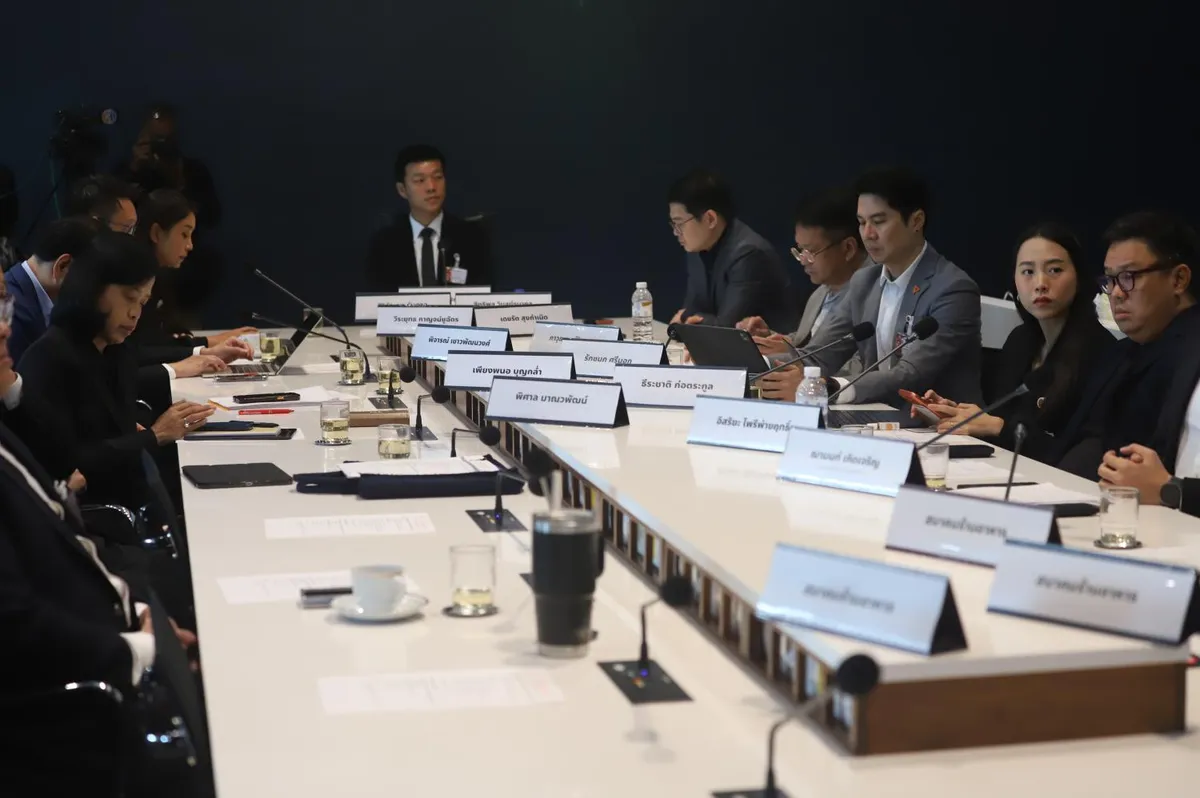
Parliamentary Committees Face Calls for Major Reform
A prominent Member of Parliament has called for a significant overhaul of parliamentary committees, citing deep-rooted inefficiencies and potential misuse of taxpayer funds. The lawmaker urged the Speaker of the House to address concerns that these crucial bodies, responsible for scrutinizing the executive branch, are not operating effectively.
Concerns Over Committee Effectiveness and Resource Allocation
Speaking on Monday, the party-list MP highlighted that despite holding the authority to summon state agencies for information, many committees struggle to deliver meaningful results. Drawing on experience from both the private sector and committee service, the MP argued that the approximately 8 billion baht allocated annually to parliamentary committees should be justified by stronger performance.
The current structure involves over 50 House and Senate committees, alongside more than 100 subcommittees, engaging thousands of individuals. Allegations have surfaced regarding members being appointed to committees without relevant expertise. Furthermore, it is suggested that some members attend meetings primarily to sign in for allowances before departing, a practice allegedly encouraged by a quorum system reliant on attendance signatures rather than substantive participation.
Allegations of Misuse and Inefficiency
Concerns have also been raised about committee positions being exploited for personal gain, potentially allowing external parties to leverage parliamentary connections for lobbying or intimidation. Criticisms were leveled at unclear agendas, politically appointed chairpersons who may lack commitment, and the repetitive summoning of officials and overlapping inquiries that place an undue burden on state agencies.
Some committees are reportedly seeking sensitive information that could benefit personal or affiliated business interests. A persistent issue is the duplication of efforts, with committees revisiting topics already studied without consulting previous reports. Describing the situation as a “pity for taxpayers’ money,” the MP proposed several reforms.
Proposed Reforms for Enhanced Oversight
Key recommendations include selecting committee chairs based on demonstrated expertise rather than political appointment. The proposals also advocate for the establishment of clear key performance indicators (KPIs) to measure effectiveness, stricter monitoring of attendance, and improved coordination among committees to eliminate redundant work.
Defense of Committee Learning Opportunities
In response to these criticisms, a party spokesperson offered a different perspective on committee work. The spokesperson, also a party-list MP, defended the broader role of committees, suggesting that they serve as “spaces for learning.”
The argument presented is that MPs often acquire new knowledge and skills through committee assignments that fall outside their primary areas of expertise. The emphasis, according to this viewpoint, should be on an MP’s willingness to learn, which is considered as valuable as pre-existing expertise.
