

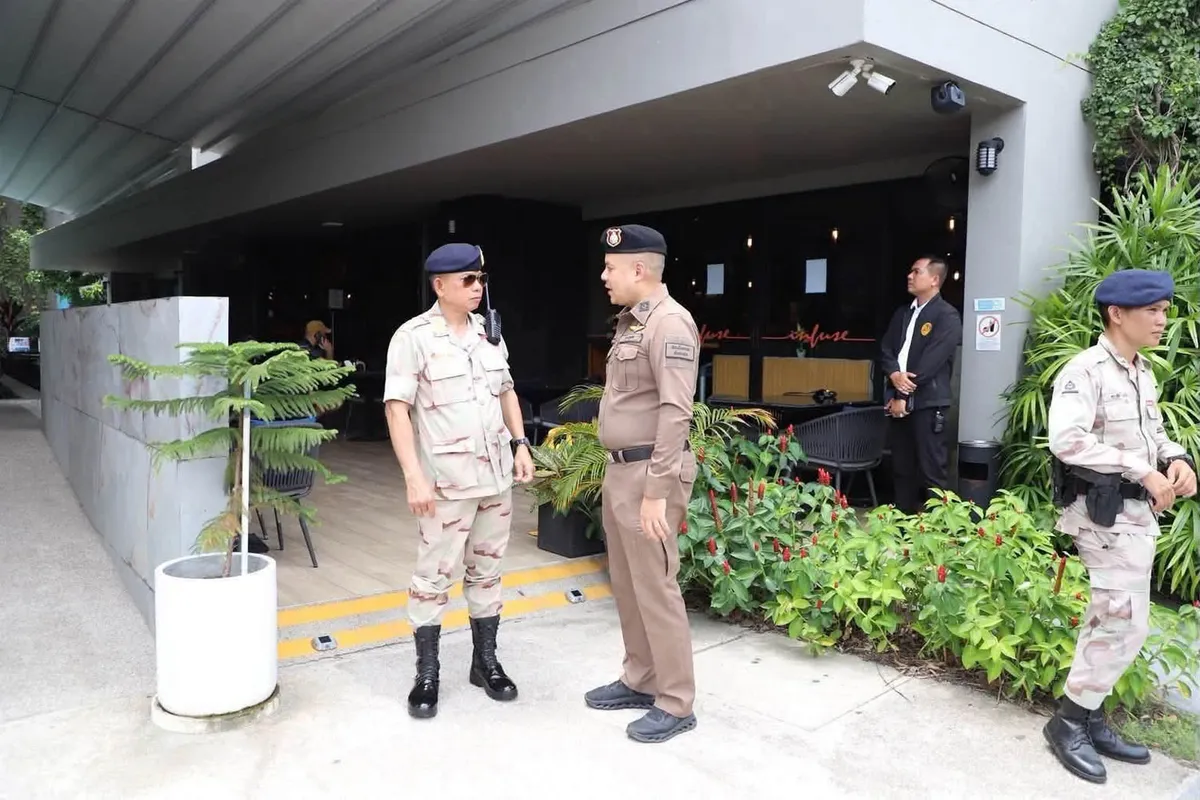
Authorities in Phuket are intensifying efforts to combat illegal hotel operations, with a recent crackdown focusing on properties found to be operating without proper permits and licenses. This initiative, driven by directives from the Prime Minister, aims to bolster public order and ensure strict adherence to hotel regulations within the popular tourist destination.
Phuket’s Illegal Hotel Crackdown Intensifies
The intensified campaign against unlicensed accommodations in Phuket follows explicit instructions from Prime Minister and Interior Minister Anutin Charnvirakul. He directed the Ministry of Interior to collaborate with relevant agencies to enhance public safety and rigorously enforce existing hotel regulations. This directive underscores a commitment to maintaining order and ensuring that all hospitality businesses operate within legal frameworks.
Joint Inspections Uncover Widespread Violations
Deputy Interior Minister Polapee Suwunchwee recently spearheaded a joint inspection team in Phuket, visiting several establishments. During these inspections, three hotels, varying in size with approximately 200, 240, and 45 rooms respectively, were found to be non-compliant. Investigations revealed a significant lack of essential documentation, including valid construction permits and operating licenses. This points to a systemic issue where properties are being used for commercial lodging without meeting the necessary legal and safety standards.
Unauthorized Conversions and Target Markets
Further scrutiny of the inspected properties uncovered a pattern of unauthorized conversions. Two of the hotels had initially been approved for residential use, such as condominiums, but were subsequently transformed into commercial lodging facilities without obtaining the requisite approvals. Investigators noted that these establishments were actively marketing their rooms primarily to European and other international tourists, with minimal bookings from Thai nationals. This suggests a deliberate strategy to cater to foreign visitors while circumventing legal operational requirements.
Suspected Nominee Ownership and Foreign Investment Scrutiny
The investigations also delved into suspected nominee ownership arrangements, a common tactic used to obscure foreign control of businesses in Thailand. Evidence suggests the involvement of business structures where foreign entities hold a 49% stake, with Thai shareholders holding the majority 51%. In some instances, properties legally owned by Thai nationals were reportedly leased to Chinese investors who allegedly managed hotel operations without the necessary licenses. This practice raises concerns about the true beneficiaries of these operations and compliance with foreign ownership laws.
Broader Inspection Scope and Enforcement Measures
The recent inspections in Phuket are part of a larger, more comprehensive operation that has covered over ten locations across the island. The provincial governor, Sophon Suwannarat, has been empowered to issue immediate closure orders for any businesses found to be non-compliant if operators fail to provide the required documentation promptly. This firm stance signals a no-tolerance approach towards illegal hotel operations.
Nationwide Expansion of Investigations
The Department of Provincial Administration is actively collaborating with key governmental bodies, including the Royal Thai Police, the Ministry of Commerce, and the Department of Special Investigation. This inter-agency cooperation is crucial for expanding investigations into suspected foreign business networks operating nationwide. The goal is to identify and dismantle illegal operations that may extend beyond Phuket, ensuring a more uniform application of business and hospitality regulations across the country.
New Intelligence-Based Screening System for Nominee Businesses
In parallel with the enforcement actions, Thailand is set to implement a new intelligence-based screening system designed to enhance the detection of nominee businesses. Scheduled to launch on August 1, this system will leverage advanced data analysis to scrutinize company registration records, shareholder structures, and financial statements. The aim is to identify high-risk firms where Thai shareholders might be involved in suspicious arrangements that mask foreign control or illegal activities.
Balancing Investment with Legal Compliance
Officials have emphasized that these measures are not intended to deter legitimate foreign investment, which is vital for the Thai economy. Instead, the focus is on differentiating between lawful investors who adhere to regulations and those who exploit nominee structures to operate outside the law. This distinction is critical for fostering a fair and transparent business environment that attracts genuine investment while upholding legal standards and protecting national economic interests.
Conclusion: Upholding Standards in Thailand’s Hospitality Sector
The intensified crackdown on illegal hotels in Phuket, coupled with the introduction of a new screening system for nominee businesses, reflects a concerted effort by the Thai government to ensure fair competition, uphold safety standards, and maintain public order within the hospitality sector. By targeting unlicensed operations and scrutinizing ownership structures, authorities aim to protect consumers, safeguard the integrity of the tourism industry, and encourage compliant business practices among all investors, both domestic and foreign.
