

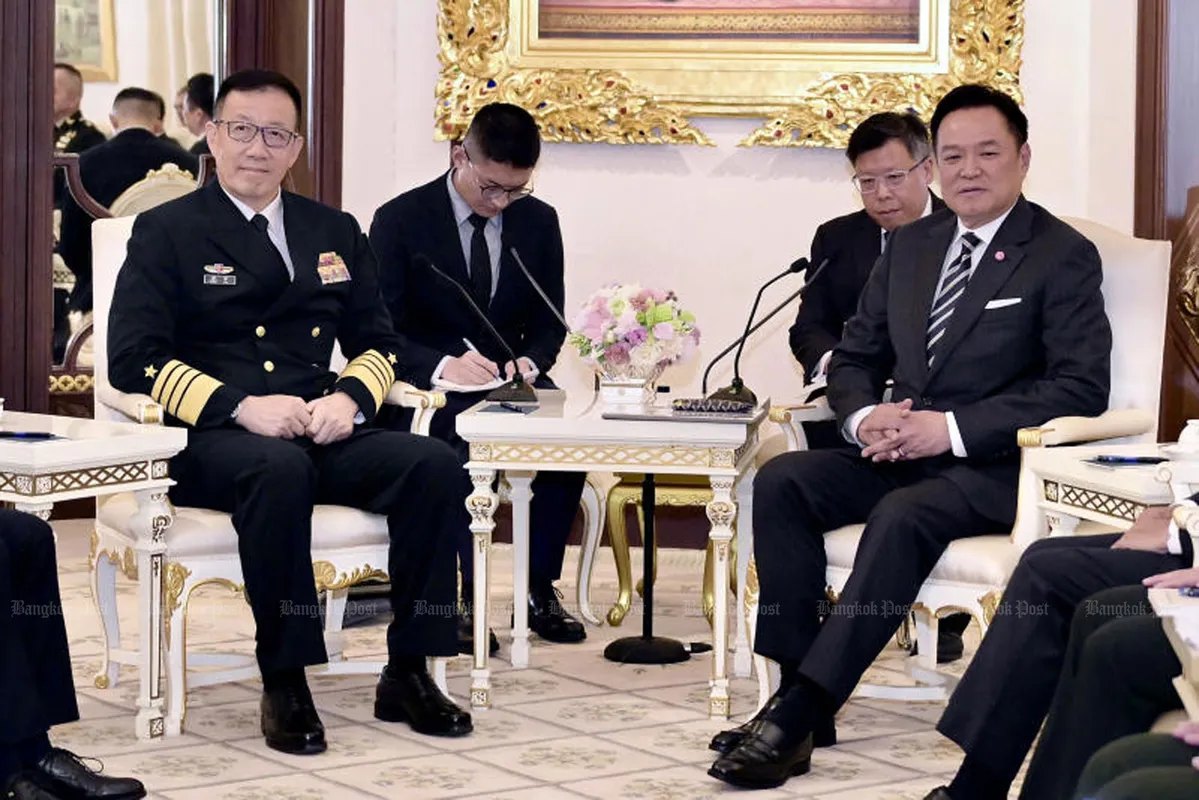
China has reiterated its commitment to neutrality amidst ongoing tensions between Thailand and Cambodia, emphasizing its strategic partnership with Thailand and its friendly relations with both nations. The statements followed a meeting between Chinese Defence Minister Dong Jun and Lieutenant General Adul Rasanond, a representative of Thailand’s Ministry of Defence.
China’s Stance on Regional Conflicts
During discussions, Lieutenant General Adul sought clarification on the nature of military equipment supplied to Cambodia. Minister Dong Jun reportedly stated that any equipment provided to Cambodia was under a pre-existing agreement from 2016 and was not linked to the recent border clashes between Thailand and Cambodia. This distinction was crucial in underscoring China’s position that its military aid to Cambodia predates the current disputes and is not intended as a direct intervention or support related to the ongoing conflict.
Lieutenant General Adul also addressed speculation that China had offered to mediate the dispute. He clarified that China’s position was one of friendship towards both Thailand and Cambodia, reiterating that both countries are valued partners. Beijing’s role, as conveyed by Minister Dong Jun, was to encourage a peaceful resolution rather than to actively mediate. This stance aligns with China’s broader foreign policy principle of non-interference in the internal affairs of other nations, while still expressing a desire for regional stability.
Expanding Military Cooperation with Thailand
Beyond the regional dispute, the meeting between Minister Dong Jun and Lieutenant General Adul focused significantly on strengthening bilateral military ties between China and Thailand. Discussions covered potential areas for enhanced cooperation, including joint military training programs and advancements in artificial intelligence (AI) within the defense sector. While details were not extensively elaborated upon, the commitment to explore these avenues signals a deepening strategic relationship.
Minister Dong Jun extended invitations to Thai officials to participate in a defense forum in China and to undertake an official visit to the country. Lieutenant General Adul confirmed his acceptance of both invitations, indicating a positive reception and a willingness from the Thai side to engage further with China on defense matters. These engagements are part of China’s broader strategy to foster closer military-to-military relationships with key partners in Southeast Asia.
Context of the Visit and High-Level Engagements
The visit by Admiral Dong Jun to Thailand was a significant diplomatic event, occurring shortly after Thai Prime Minister Anutin Charnvirakul’s trip to China. During his visit to China, Prime Minister Anutin attended the World Artificial Intelligence Conference (WAIC) 2026 and held a meeting with Chinese President Xi Jinping. This high-level exchange highlights the consistent engagement between the two nations across various sectors, including technology and defense.
President Xi Jinping, according to reports from China’s Xinhua News Agency, conveyed Beijing’s readiness to play a “constructive role” in promoting a peaceful resolution to regional conflicts. This statement, made in the context of discussions with Prime Minister Anutin, reinforces China’s stated commitment to contributing positively to stability without taking sides in specific disputes.
Background of Thai-Cambodian Tensions
The backdrop to these diplomatic exchanges is the persistent tension between Thailand and Cambodia. The relationship has been strained by border clashes that occurred in July and December of the previous year. These incidents have periodically heightened regional security concerns and underscored the importance of diplomatic channels for de-escalation and conflict resolution. China’s reaffirmation of neutrality and its emphasis on friendly relations with both countries are seen within this context of seeking to maintain peace and stability in the region.
Future Outlook and Diplomatic Significance
China’s consistent messaging regarding its neutrality in the Thai-Cambodian border dispute, coupled with its active pursuit of enhanced military cooperation with Thailand, reflects a complex diplomatic strategy. By reaffirming its partnership with Thailand and maintaining friendly ties with Cambodia, Beijing aims to balance its regional influence while promoting stability. The commitment to dialogue and cooperation in areas like military training and AI suggests a forward-looking approach to defense relations.
The acceptance of invitations for future engagements indicates a mutual interest in deepening these ties. As regional dynamics evolve, China’s role as a major global power and a key player in Southeast Asia will continue to be closely watched. Its approach to mediating or facilitating resolutions in regional disputes, while maintaining its own strategic interests, remains a central element of its foreign policy.
Ultimately, China’s reaffirmation of neutrality serves to manage expectations and reinforce its diplomatic principles. While it avoids direct involvement in the Thai-Cambodian conflict, it signals a willingness to contribute to peace through constructive dialogue and by fostering stronger relationships with all parties involved. The ongoing military and technological cooperation with Thailand further solidifies its strategic partnerships in the region.
