

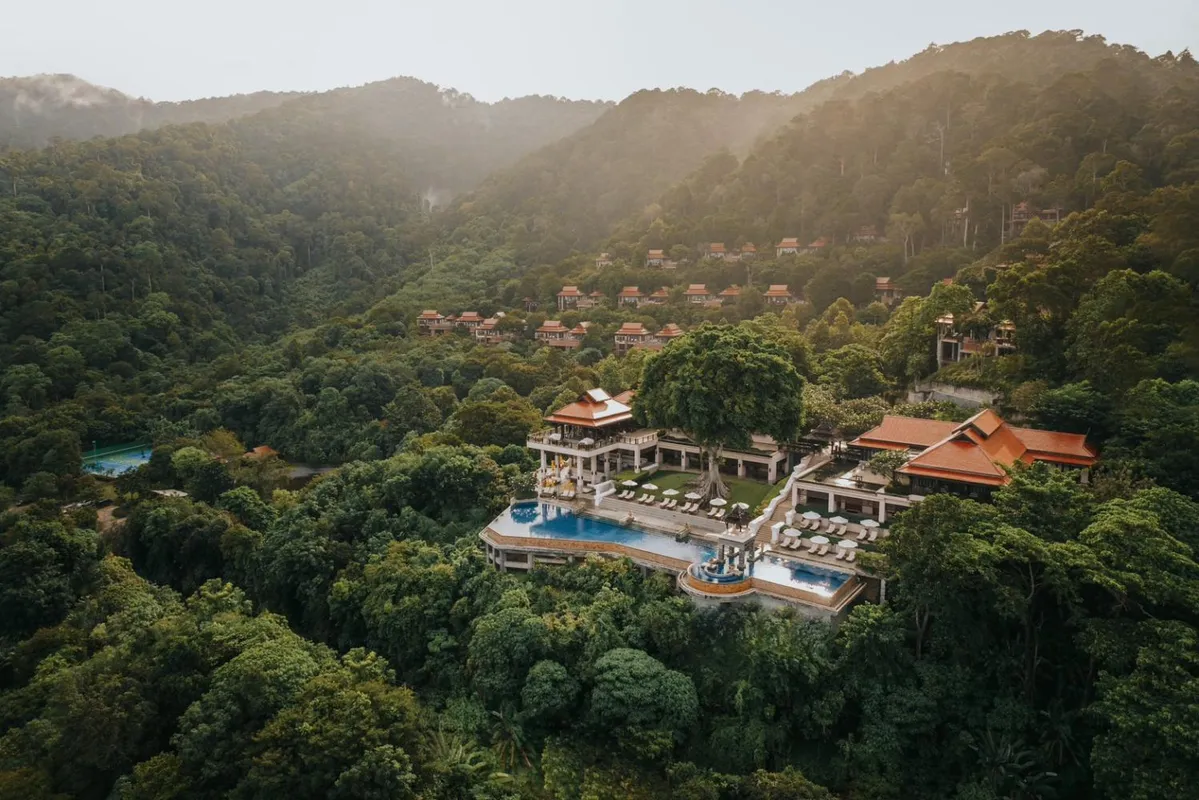
Pimalai Resort & Spa Foresees Strong Financial Growth
Pimalai Resort & Spa is projecting significant revenue growth, targeting 600 million baht for the fiscal year 2026. This represents a 5% year-on-year increase, even with an anticipated stable occupancy rate of 69%. The optimistic outlook is largely fueled by robust forward bookings, particularly for the upcoming peak season.
Long-Haul Travelers Drive Early Bookings
The resort is experiencing a surge in reservations for January and February of next year. Analysts attribute this trend to a growing preference among long-haul travelers for earlier trip planning. This proactive approach is driven by the need to secure direct flight options, bypassing traditional transit hubs in the Middle East. The introduction of winter flights to Krabi by airlines such as SAS and Finnair is further facilitating this shift.
Impact of Geopolitical Shifts on Travel
Following a memorandum of understanding aimed at de-escalating conflict between the US and Iran, there is anticipation that Middle Eastern carriers will fully resume operations to Thailand. This resumption is expected to include promotional airfares, particularly on routes connecting Asia and Europe. Such developments are predicted to significantly boost high-season international traffic to the region.
Thailand Competes as Value Destination
European tourists are increasingly considering Thailand as a compelling alternative to other popular destinations like the Maldives. This preference is driven by perceived cost savings, with Thailand offering comparable standards of service and facilities at a more accessible price point. This offers a significant advantage for travelers navigating economic uncertainties.
Low Season Challenges and Strategies
Despite the strong high-season outlook, bookings for the low season remain subdued. Recent disruptions in Middle Eastern air travel led to cancellations in March and April, and a subsequent 5% decline in June bookings. Previously, Pimalai had forecast an average occupancy of 75% for 2026, an increase from 70% the previous year. However, this projection has been adjusted to 69%.
To bolster low-season performance, the resort is implementing strategies to push occupancy rates above 50%. These include offering promotional packages and focusing on attracting a greater number of short-haul guests, particularly from markets like China and India. Investments in renovating wellness facilities are also underway, aiming to capitalize on the burgeoning wellness tourism trend and attract guests for extended stays during the high season.
Development Constraints and Future Potential
Pimalai Resort & Spa possesses approximately 50 rai of undeveloped land adjacent to its beachfront, out of a total of 250 rai. However, expansion and the construction of larger structures are currently constrained by Koh Lanta’s green zone regulations. These regulations are subject to a five-year review cycle, and any easing of development conditions could prompt the resort to explore further expansion opportunities.
Infrastructure Improvements and Tourism Growth
Recent government approval for the use of mangrove forest land for the construction of a bridge connecting Koh Lanta Noi and Koh Klang is expected to enhance connectivity. This project has the potential to streamline transportation links between Koh Lanta and mainland Krabi, alleviating congestion at ferry terminals, especially during peak tourist seasons.
There is a call for increased government efforts to attract more direct flights to Krabi, as the province is seen as having substantial potential for further tourism growth.
