

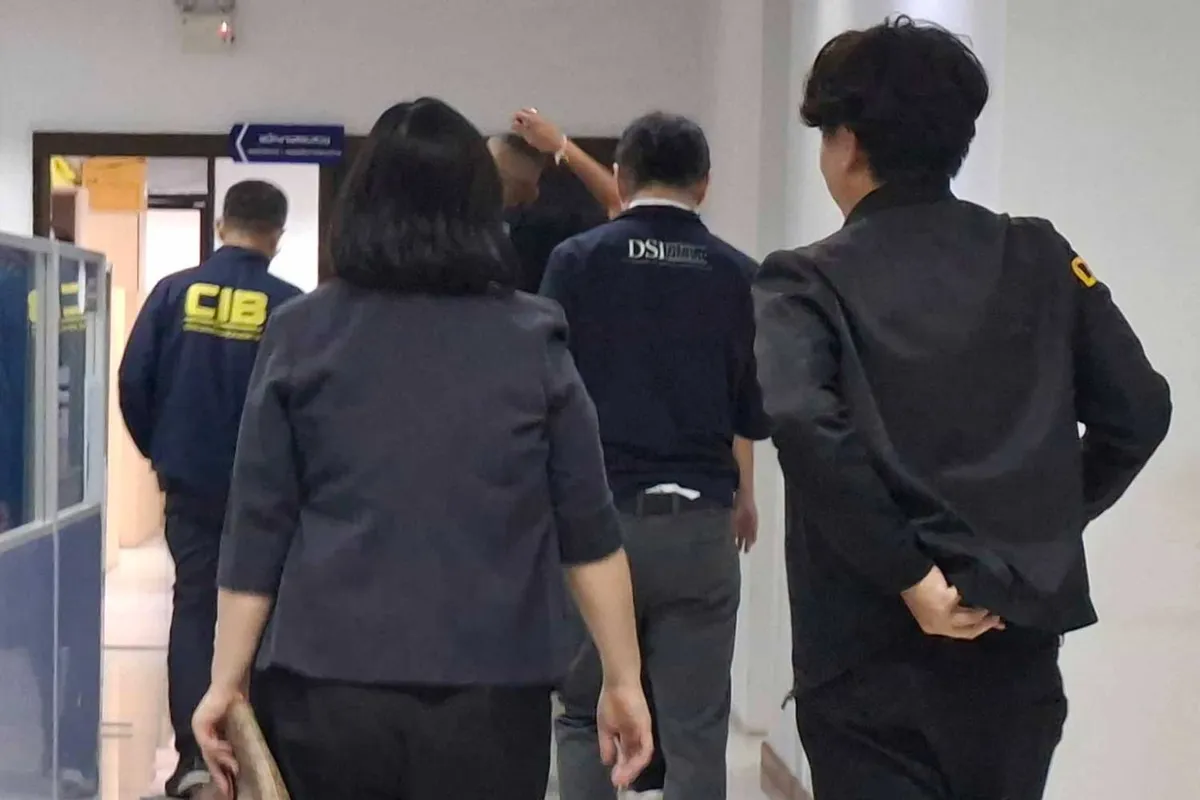
Prime Minister Anutin Charnvirakul has endorsed pursuing legal action against individuals responsible for disseminating confidential documents related to an inquiry into alleged irregularities in the 2024 Senate elections. The Prime Minister’s statement on Wednesday signaled a firm stance against the unauthorized disclosure of sensitive information stemming from the ongoing investigation.
Background of the Senate Investigation
The investigation centers on allegations of collusion and potential manipulation within the 2024 Senate election process. Such inquiries are critical for maintaining the integrity of democratic institutions and ensuring public trust in electoral outcomes. The Senate, as a legislative body, plays a significant role in governance, and its selection process is subject to scrutiny to prevent undue influence or corruption.
Details of the investigation, which were intended to remain within the confines of the inquiry committee, reportedly found their way into the public domain. This leak has raised concerns about the security of sensitive governmental proceedings and the potential impact on the investigation’s progress and credibility. The nature of the leaked documents has not been fully disclosed, but their release has prompted a swift response from the Prime Minister’s office.
Prime Minister’s Stance on Document Leak
Prime Minister Charnvirakul expressed his support for initiating legal proceedings against those found to be accountable for the leak. He emphasized that such actions undermine the confidentiality required for thorough and impartial investigations. The Prime Minister stated that protecting the integrity of the investigative process is paramount and that unauthorized disclosures can jeopardize the pursuit of truth and accountability.
While the specific legal avenues are yet to be detailed, the government’s intention is clear: to deter future breaches of confidentiality and to hold accountable those who compromise sensitive official information. This move underscores the government’s commitment to upholding legal and ethical standards in handling classified or investigatory materials.
Public Disclosure vs. Confidentiality
The leak has ignited a debate regarding the balance between transparency and confidentiality in governmental investigations. While proponents of public disclosure argue that citizens have a right to know about matters concerning their elected officials and the electoral process, maintaining confidentiality is often deemed necessary to prevent interference, protect evidence, and ensure the integrity of ongoing inquiries.
Arguments for public disclosure often highlight the importance of accountability and the prevention of potential cover-ups. Transparency can allow for public oversight and may bring to light issues that might otherwise remain hidden. However, premature or unauthorized release of information can also lead to misinformation, prejudice the investigation, and potentially implicate individuals before a thorough examination of facts is complete.
Conversely, the principle of confidentiality in investigations is designed to safeguard the process itself. Leaked information might be incomplete, out of context, or intended to mislead. Protecting the investigative channels ensures that evidence can be gathered and assessed without external pressure or contamination. This is particularly crucial in matters concerning potential electoral fraud or collusion, where the stakes are high for democratic governance.
Potential Legal Ramifications
The legal actions contemplated by the Prime Minister could involve various statutes related to the handling of official documents and the obstruction of justice. Depending on the nature of the leaked information and the laws in effect, individuals found
