

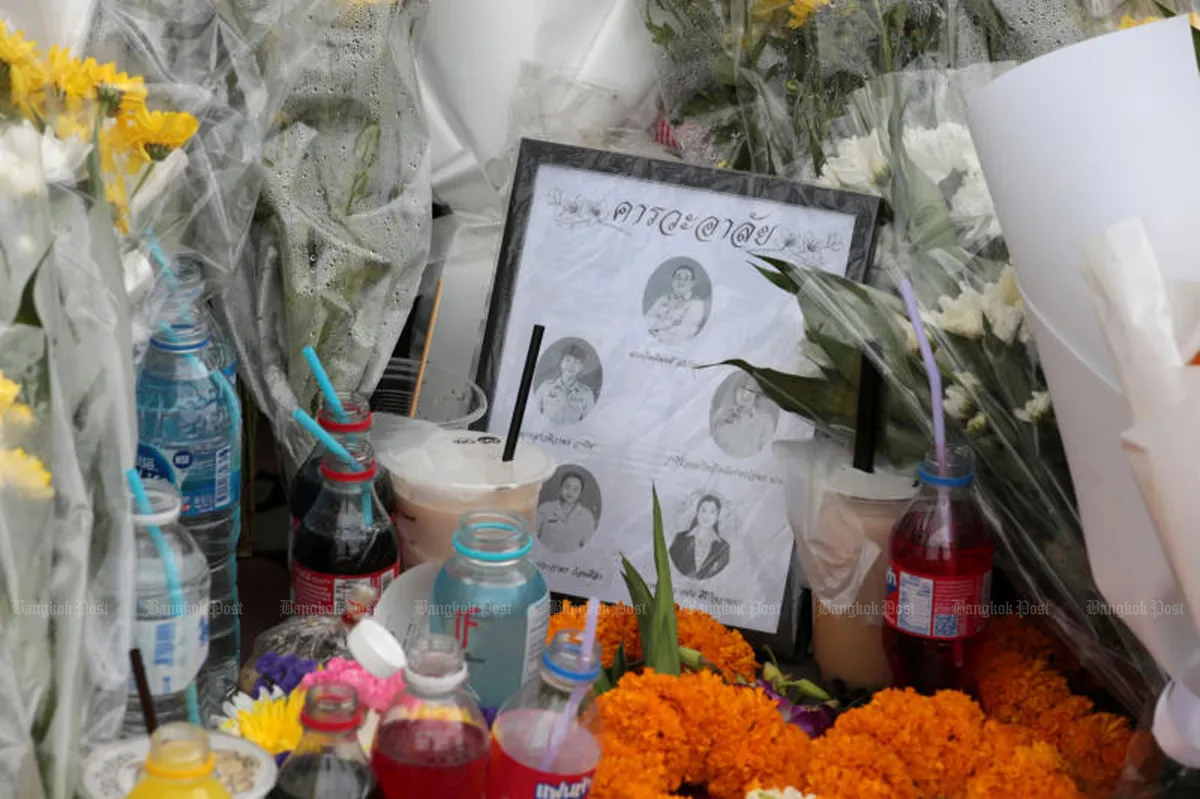
In response to recent incidents, the government is initiating a comprehensive, multi-ministry strategy to elevate school safety across the nation. This initiative moves beyond the sole responsibility of the Ministry of Education, emphasizing a collaborative effort involving several government bodies to ensure the well-being of students and educators.
Comprehensive Safety Measures Underway
The newly proposed safety package is designed to address various facets of school security and student welfare. Key components include:
- Mental Health Support: Regular mental health screenings for both students and teachers will be implemented to identify and address psychological needs proactively.
- Educator Training: Teachers and school staff will receive training to recognize individuals at risk and to provide essential psychological first aid.
- Enhanced Reporting: The Traffy Fondue platform will be expanded to offer more accessible and effective channels for reporting safety concerns.
- Emergency Preparedness: Regular emergency drills will be conducted to ensure schools are prepared to respond effectively to critical situations.
- Anti-Bullying Stance: A strict zero-tolerance policy will be enforced against bullying and all forms of violence within educational institutions.
- Security Enhancements: Tighter security screening measures will be put in place to prevent unauthorized individuals and illegal items from entering school premises.
Deputy Prime Minister Yodchanan Wongsawat stated that these measures are crucial and require the coordinated efforts of multiple ministries. He highlighted that school safety should be treated as a national priority, encompassing not only students but also teachers and all school personnel. Following the August 7th shooting, schools nationwide have reportedly already enhanced their safety protocols.
Addressing Underlying Causes
The government acknowledges the need to explore the broader context of school safety, including potential contributing factors such as academic pressure and bullying. The Department of Mental Health, the Ministry of Social Development and Human Security, and the Royal College of Psychiatrists of Thailand are expected to be involved in examining these complex issues. Police investigations are underway to determine the role, if any, that bullying may have played in specific incidents.
In addition to nationwide concerns, specific cases are also being addressed. The Education Ministry is handling an incident in Hat Yai, Songkhla, involving a foreign contract teacher who was dismissed and subsequently allegedly made threats. The Deputy Prime Minister reiterated that the safety of students and staff remains paramount.
Expert Perspectives on Psychological Resilience
Discussions at a forum titled “Strengthening the Shield, Building Resilience: Safety in Educational Institutions” at Chulalongkorn University underscored the critical need for robust psychological support systems. Academics emphasized that alongside physical security, schools require well-developed psychological support and response mechanisms to identify and address problems before they escalate into crises.
Wilert Puriwat, president of Chulalongkorn University, described the recent shooting as potentially the “tip of the iceberg,” suggesting deeper, often hidden, underlying issues within society and educational environments. He advocated for psychological support systems underpinned by clear policies and procedures for early intervention.
Challenges such as a shortage of psychological professionals, limited support capacity within schools, budget constraints, and traditional attitudes that may deter students from seeking help were identified. Panita Suavansri, director of the Counselling Psychology Programme at Chulalongkorn University’s Faculty of Psychology, proposed that school psychological advisers should operate independently of academic assessment. This independence, she argued, would create a safe space for students to seek help without fear of negatively impacting their grades.
Dhirapat Kulophas, head of the Educational Administration Programme at the university’s Faculty of Education, stressed the importance of integrating security measures like guards, weapon screening, and CCTV with clear protocols for reporting, assessing, and following up on concerns. He also recommended training teachers to recognize warning signs and refer students to counselors or specialists, emphasizing transparency in the process to build student trust.
Further recommendations from academics included a greater focus on anger management, emotional regulation, trauma management, empathy, and responsible media consumption to foster student resilience. Nattasuda Taephant, dean of the Faculty of Psychology, suggested that psychological principles should play a more significant role in understanding student behavior and supporting their development. Jessada Salathong of the Faculty of Communication Arts advised media outlets to avoid sensationalizing school violence, urging a focus on victims and preventative lessons instead.
Moving Towards Prevention and Early Intervention
The consensus among experts is that strengthening psychological support is key to shifting Thailand’s approach towards prevention and early intervention, especially for students who may lack a secure environment at home. Ultimately, students need both a safe space to express themselves and the assurance that their concerns will be heard and acted upon.
