

Four paintings by the renowned Impressionist artist Pierre-Auguste Renoir were stolen from the Renoir Museum in Cagnes-sur-Mer, France, in an early morning heist. The theft occurred despite a rapid response from local authorities, highlighting ongoing concerns about art security in the country.
Details of the Renoir Museum Theft
The incident took place at the museum, located near Nice, which is housed in the final residence of Pierre-Auguste Renoir. According to officials, the thieves managed to take four works from the museum’s collection of twelve. However, two of the stolen pieces were later discovered abandoned in the museum’s gardens. The total value of the stolen works was initially estimated by the mayor’s office to be around €9 million (approximately $10 million USD).
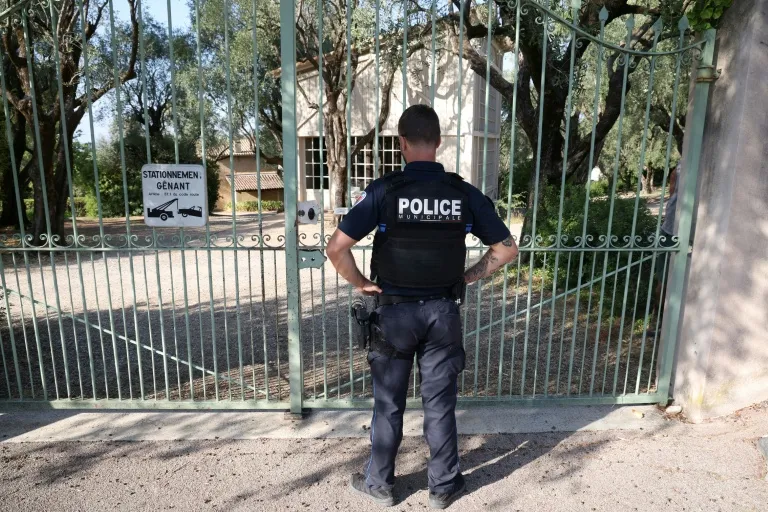
Mayor Bryan Masson of Cagnes-sur-Mer described the swiftness of the event, noting that the museum’s alarm was triggered at 5:48 AM. Within just five minutes, by 5:53 AM, municipal police had arrived at the scene. Masson indicated that the museum and the approaching police sirens may have prompted the burglars to leave in haste, taking fewer items than they might have intended.
The Renoir Museum Collection
The Renoir Museum is dedicated to the life and work of Pierre-Auguste Renoir, who lived in the villa until his death in 1919. The museum’s collection features nine paintings by the artist, alongside several of his sculptures, personal objects, and furniture, including his easel and wheelchair. While the museum holds significant works, some of Renoir’s most famous paintings are housed in major international institutions such as the Musée d’Orsay in Paris, as well as galleries in London and New York.
Broader Context: Art Thefts in France
This latest theft adds to a series of high-profile art robberies that have occurred in France in recent years, raising questions about the adequacy of security measures in some cultural institutions. These incidents suggest that certain museums may be perceived as vulnerable targets by criminal organizations.
Previous High-Value Heists
One notable incident occurred last year at the Louvre Museum in Paris, where crown jewels valued at approximately $100 million were stolen in a daylight robbery. Although the four suspects in the Louvre heist were apprehended, the stolen jewels have not yet been recovered. The speed of that theft, reportedly lasting only seven minutes, underscored the audacity of such operations.
More recently, in August, Italian police announced the recovery of paintings by Renoir, Paul Cézanne, and Henri Matisse. These artworks, collectively valued at over $10.4 million, had been stolen from a museum in Italy during a remarkably brief three-minute heist in March.
Historical Art Theft
France has a history of significant art thefts, with one of the most famous being the 1911 disappearance of Leonardo da Vinci’s “Mona Lisa” from the Louvre. The iconic painting was missing for over two years before being recovered. The thief, an Italian glazier named Vincenzo Peruggia, was caught when he attempted to sell the masterpiece. This historical event, like more recent occurrences, demonstrates the enduring allure and vulnerability of priceless art.
Conclusion
The theft of Renoir paintings from the museum in Cagnes-sur-Mer serves as a stark reminder of the challenges in protecting cultural heritage. While authorities responded quickly, the success of the thieves in absconding with valuable artworks prompts a continued examination of security protocols within French museums and beyond. The recovery of the two paintings left in the garden offers a small consolation, but the fate of the remaining two and the identity of the perpetrators remain under investigation.
