

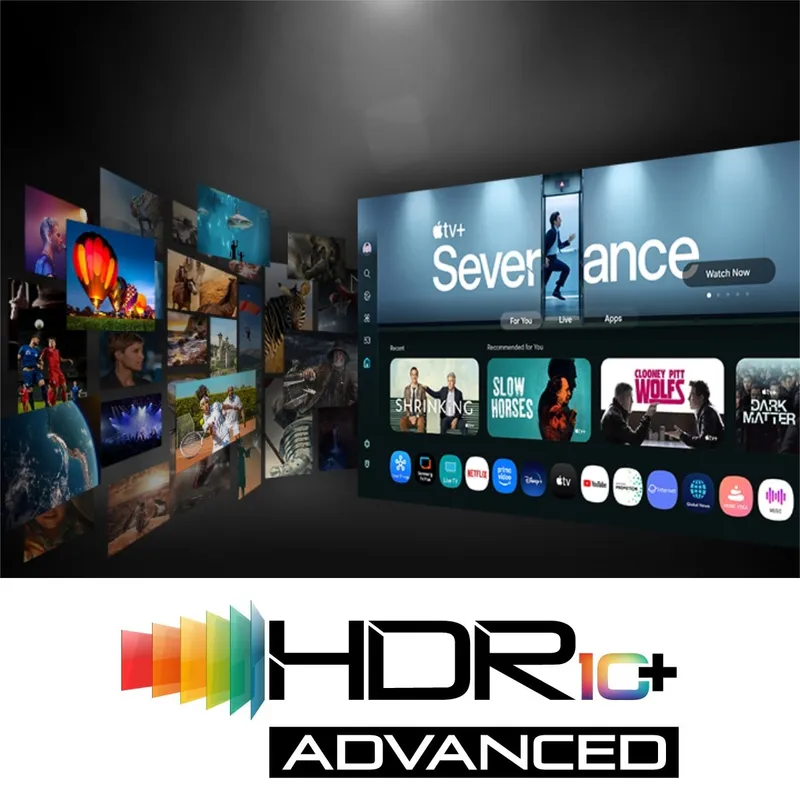
Samsung and Prime Video are set to introduce HDR10+ Advanced, a new high dynamic range (HDR) standard designed to elevate the viewing experience on next-generation televisions. This enhanced format builds upon the original HDR10+ technology, specifically targeting the demands of modern TVs with larger displays, superior brightness capabilities, richer color palettes, and more robust processing power.
The core objective of HDR10+ Advanced is to faithfully reproduce the artistic vision of filmmakers and content creators. By dynamically adjusting picture parameters, the technology ensures that movies and shows are displayed with optimal realism, tailored to the unique specifications of each individual television panel. This dynamic optimization aims to provide a more immersive and lifelike visual experience for viewers.
Key Features of HDR10+ Advanced
A standout innovation within the HDR10+ Advanced standard is its Intelligent Motion Smoothing technology. This feature leverages metadata embedded within the content to meticulously analyze video on a scene-by-scene basis. Based on this analysis, the system intelligently communicates with compatible televisions, instructing them to fine-tune their motion processing. The result is smoother, more fluid motion, which is particularly beneficial for fast-paced content such as live sports, intense action scenes, and other rapidly moving visuals.
This advancement is the latest development in an ongoing collaboration between Samsung and Prime Video, which began in 2017. At that time, Prime Video made history by becoming the first streaming service to embrace the original HDR10+ standard. This initial partnership allowed HDR content to be delivered in HDR10+ across Samsung’s 2017 lineup of Ultra High Definition (UHD) televisions, laying the groundwork for future enhancements.
Rollout and Availability
Samsung has announced its intention to integrate HDR10+ Advanced into its television models starting with the 2026 lineup. Following this initial launch, the company plans to extend support to a broader range of existing and future television models. Prime Video, in parallel, will begin making content mastered in HDR10+ Advanced available to a global audience starting in August 2026.
The Evolution of HDR Technology
High Dynamic Range (HDR) technology represents a significant leap forward from standard dynamic range (SDR) television. While SDR displays a limited range of brightness and color, HDR significantly expands these capabilities. This allows for brighter highlights, deeper blacks, and a much wider spectrum of colors, resulting in images that are more vibrant, detailed, and true-to-life.
The HDR10+ format, which HDR10+ Advanced builds upon, is an open-source, royalty-free HDR format. It utilizes dynamic metadata to optimize the HDR experience for each scene. Unlike static metadata used in formats like HDR10, dynamic metadata allows the brightness and color information to be adjusted on a scene-by-scene or even frame-by-frame basis. This granular control enables displays to deliver picture quality that more closely matches the creator’s intent, especially on televisions with varying peak brightness and color capabilities.
Understanding HDR10+ Advanced Enhancements
HDR10+ Advanced is engineered to address the increasing sophistication of modern display technology. As TV screens become larger and capable of higher peak brightness levels, and as color depth increases, the demands on HDR processing also grow. HDR10+ Advanced is designed to harness these advancements:
- Larger Screen Support: With the prevalence of larger screen sizes, HDR10+ Advanced ensures that the immersive experience is maintained without compromising image quality or detail.
- Higher Peak Brightness: The standard is optimized to take full advantage of the increased peak brightness capabilities of new TVs, allowing for more impactful highlights and greater contrast.
- Finer Color Depth: Enhanced color depth support means more subtle gradations and a wider, more accurate color gamut can be reproduced, leading to richer and more nuanced visuals.
- Powerful Processors: Modern TVs are equipped with advanced processors capable of handling complex image processing. HDR10+ Advanced is designed to leverage this processing power for more sophisticated picture optimization.
The Role of Intelligent Motion Smoothing
The Intelligent Motion Smoothing feature is a critical component of HDR10+ Advanced, particularly for viewers who consume a lot of fast-action content. Traditional motion interpolation techniques can sometimes introduce artifacts or an unnatural “soap opera effect.” However, by using scene-by-scene metadata analysis, HDR10+ Advanced aims for a more natural integration:
- Content Analysis: The system reads metadata to understand the nature of the motion within each scene.
- Dynamic Adjustment: Compatible TVs then adjust their internal motion processing algorithms accordingly.
- Smoother Playback: This targeted approach results in smoother transitions and reduced judder or blur, enhancing the viewing of sports, video games, and action films.
The partnership between Samsung and Prime Video underscores the industry’s commitment to advancing HDR technology. By developing and implementing standards like HDR10+ Advanced, both companies aim to provide consumers with the best possible viewing experience, ensuring that the artistic intent behind content is preserved and delivered with stunning visual fidelity across a wide range of advanced television displays.
As television technology continues to evolve, standards like HDR10+ Advanced play a crucial role in bridging the gap between content creation and display capabilities. The focus on dynamic optimization and intelligent processing suggests a future where HDR content will look increasingly lifelike and tailored to the specific hardware it is being viewed on, offering a more personalized and high-quality entertainment experience.
