

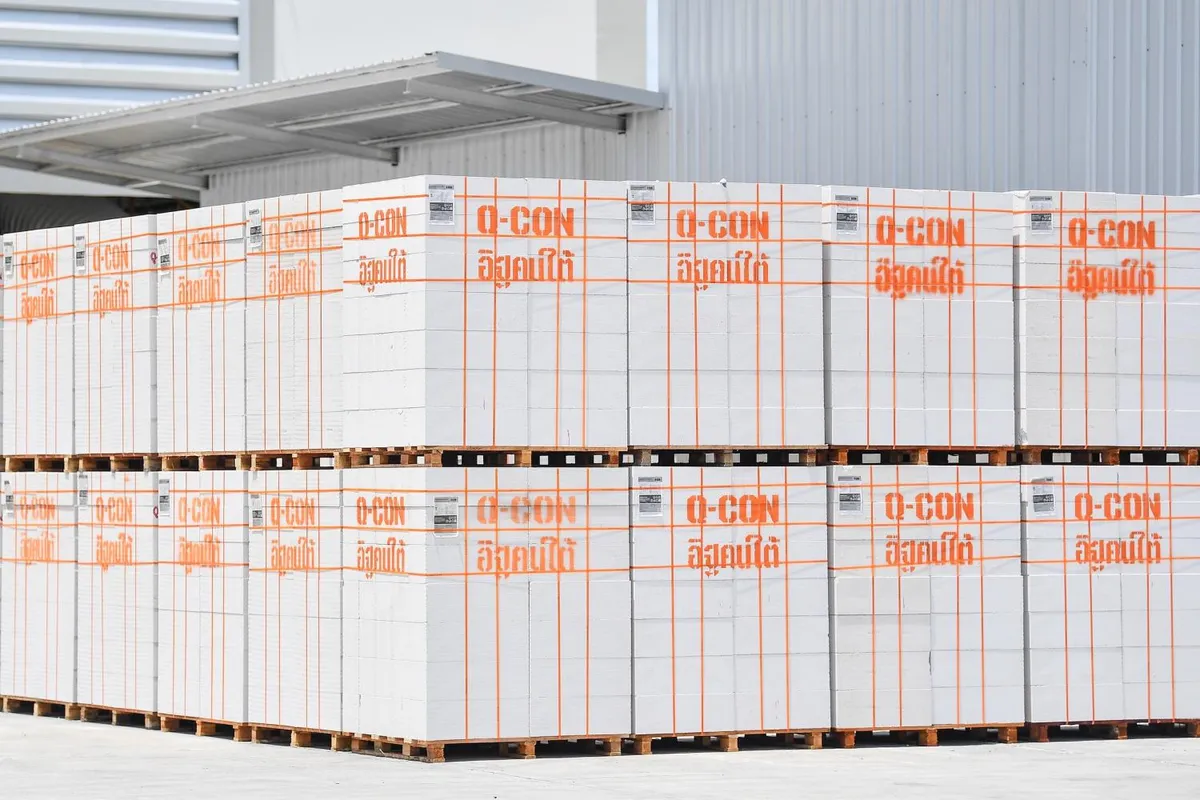
Siam Cement Group (SCG) is proactively reshaping its business strategy to address the intensifying competition posed by an influx of Chinese manufacturers in Southeast Asian markets. Wiroat Rattanachaisit, chief commercial officer for Cement-Building Materials at SCG, highlighted the growing pressure on regional companies due to the large volumes of low-cost goods being exported from China. This situation has prompted SCG to adopt a multifaceted approach focused on innovation, efficiency, and market expansion.
SCG’s Strategic Response to Market Challenges
The core of SCG’s adaptation lies in a shift towards a solution-driven business model. This strategy emphasizes several key areas designed to bolster its competitive edge:
- Cost Reduction and Operational Efficiency: Streamlining processes and optimizing resource allocation to lower production costs without compromising quality.
- High Value-Added Products: Developing and promoting products that offer superior performance, unique features, or specialized applications, commanding higher market value.
- Renewable Energy Adoption: Integrating sustainable energy sources into operations to reduce environmental impact and potentially lower energy expenses.
- Green Product Development: Focusing on eco-friendly materials and construction solutions that align with growing global demand for sustainability.
- Artificial Intelligence and Automation: Leveraging advanced technologies to enhance productivity, improve precision, and drive innovation across its manufacturing and supply chains.
- Expansion into New Export Markets: Diversifying its geographical reach beyond traditional markets to tap into new demand centers and reduce reliance on any single region.
Mr. Rattanachaisit also indicated that SCG has urged the Thai government to implement more stringent oversight of Chinese factories operating within the country. This includes calls for increased inspection frequency and the rigorous enforcement of environmental and quality standards to ensure a level playing field for all manufacturers.
Understanding the Competitive Landscape
China’s manufacturing sector benefits significantly from economies of scale, enabling its producers to achieve lower per-unit costs. This advantage allows them to export substantial quantities of goods at competitive prices, effectively saturating regional markets and creating considerable pressure on local industries. The challenge for Southeast Asian companies like SCG is to find ways to compete not just on price, but on value, innovation, and sustainability.
SCG’s Current Market Position and Product Portfolio
SCG Cement-Building Materials currently operates across three key regional markets: Thailand, Vietnam, and Indonesia. The company has established export channels for its products, including significant annual shipments of low-carbon cement to the United States, amounting to approximately 600,000 to 700,000 tonnes. Additionally, its building materials are supplied to the Australian market.
The company’s product portfolio reflects its strategic pivot towards higher-value and sustainable offerings. Currently, its offerings are structured as follows:
- High Value-Added Products: Constitute 50% of the portfolio.
- Green Products: Make up 30% of the portfolio.
- Other Offerings: Represent the remaining 20%.
This product mix demonstrates SCG’s commitment to innovation and its alignment with market trends favoring sustainable and advanced construction materials.
Outlook for Thailand’s Construction Sector
Looking ahead, SCG anticipates a strengthening of Thailand’s construction sector in the latter half of 2026. This projected growth is expected to be driven by government initiatives, including the disbursement of public budgets and the advancement of significant infrastructure investment projects. Mr. Rattanachaisit noted that these government-led projects, coupled with consistent demand for repairs and maintenance, are key drivers for the cement and building materials industries.
However, the outlook for the private real estate sector presents a more mixed picture. A notable slowdown has been observed, exacerbated by high mortgage rejection rates. Specifically, for homes priced below 3 million baht, more than 50% of mortgage applications are being declined, indicating potential affordability challenges and tighter lending conditions for a significant segment of the market.
Industry-Wide Challenges in Thailand
Beyond the specific challenges faced by SCG, the broader Thai cement industry is grappling with overcapacity. The nation’s installed production capacity stands at approximately 75 million tonnes per year, while current output hovers around 30 million tonnes. This significant gap between capacity and actual production underscores a challenging market dynamic for domestic producers.
Regional markets also present a complex and uneven landscape. In southern Thailand, the construction sector is experiencing headwinds. This is partly due to a stagnant hotel segment and sluggish progress on luxury villa projects. Compounding these issues are declines in tourism from key markets such as Malaysia, China, Europe, and Russia, alongside the increasing costs associated with travel. These factors collectively contribute to a subdued demand for construction and related materials in specific regional areas.
Conclusion
SCG’s strategic repositioning is a direct response to the evolving competitive pressures, particularly from Chinese manufacturers leveraging economies of scale. By focusing on operational efficiencies, high-value and green products, technological adoption, and market diversification, SCG aims to navigate these challenges effectively. While the company anticipates a boost from government infrastructure spending in Thailand, it also faces broader industry issues like overcapacity and regional market fluctuations. The company’s proactive adaptation strategy is crucial for maintaining its market leadership and ensuring long-term resilience in a dynamic global economic environment.
