

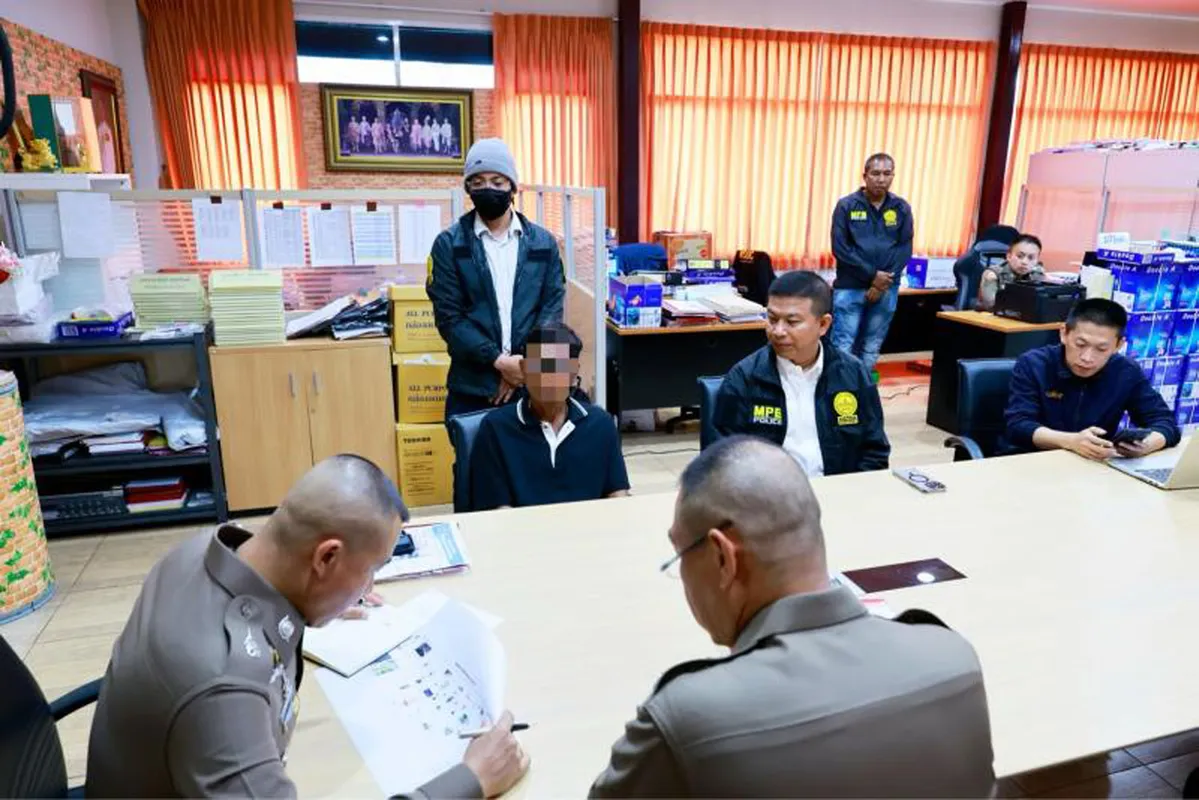
An ongoing investigation into a Thai cabin crew member arrested in Melbourne with nearly a kilogram of heroin is expanding, with authorities proposing to transfer the case to the Department of Special Investigation (DSI) to tackle what is believed to be an organized transnational crime network. The case, which began with the June 25th arrest of 26-year-old Ms. Meena in Australia, has revealed a sophisticated operation involving recruitment, packaging, and international distribution of narcotics.
Expanding Scope of Heroin Trafficking Probe
The Office of the Narcotics Control Board (ONCB) is recommending the DSI take over the investigation due to the complexity and international scope of the alleged heroin trafficking. Officials believe the operation meets the criteria for organized transnational crime, necessitating a coordinated, high-level response. This move aims to bolster collaboration with international law enforcement, particularly the Australian Federal Police, as evidence continues to accumulate.
Investigators are currently awaiting the full data extraction from Ms. Meena’s seized mobile phone. A specialized Australian forensic unit is analyzing the device, which is considered crucial for identifying communication channels and international contacts involved in the network. This digital evidence is key to mapping the full extent of the operation.
Identifying Key Figures and Modus Operandi
Authorities have identified a Melbourne-based woman, known as “Dear,” who is believed to be the intended recipient of the heroin shipment. While “Dear’s” precise contact details and meeting arrangements remain unverified, intelligence suggests the drugs were concealed within 12 embroidered fabric bags, with narcotics found in one and another still under examination. The consignment was reportedly arranged via a Facebook account named “Rose Rose,” which allegedly hired Ms. Meena to transport the goods, disguised as OTOP (One Tambon One Product) items, for a fee of 3,400 baht.
Investigators suspect a hotel in Melbourne may have been the final transfer point. Adding to the complexity, Australian agencies have flagged two to three additional Thai nationals as potential recipients within a suspected network. The segmented nature of Australia’s investigative structure, with different agencies handling distinct aspects of the case (Australian Border Force intercepting, AFP leading the investigation, and a separate forensic unit analyzing devices), has reportedly slowed the release of critical digital evidence needed to fully understand the overseas coordination.
Domestic Raids Uncover Significant Heroin Stockpiles
In parallel with the Australian investigation, Thai authorities conducted coordinated raids in Bangkok, uncovering substantial heroin stockpiles concealed using similar trafficking patterns. These operations revealed a multi-stage logistics system designed to move drugs both domestically and internationally.
- Bang Khen-Lak Si Area: Over 8 kilograms of heroin were discovered hidden within decorative fabric wall hangings.
- Soi Rang Nam: Approximately 9 kilograms of heroin were found concealed inside winter jackets and commercial coffee packaging prepared for shipment to Australia.
- Ramkhamhaeng Area: Officers seized 6.23 kilograms of heroin embedded within pink Thai-style silk garments destined for Taiwan.
Investigators believe the heroin was processed into thin sheets and packaged outside Thailand, likely in Laos, before being smuggled across the border. This suggests a well-established international supply chain.
Key Arrests Bolster Domestic Investigation
A significant development in the domestic probe occurred with the arrest of a 43-year-old Thai man and his 42-year-old Lao wife. They are believed to be responsible for transporting pre-packed goods from Chiang Khan, a border district in Loei province, to Bangkok, forming a critical link in the supply chain. The man confessed to making six deliveries for a Lao national, including the parcel for Ms. Meena, earning 8,000 baht per shipment. His wife has denied any involvement.
Further arrests include a 59-year-old man from Ayutthaya who admitted to delivering the parcel to Ms. Meena at her Bangkok residence. He stated he was hired by a foreign-looking individual and is also connected to another delivery within the capital. These arrests highlight the syndicate’s methods of utilizing intermediaries for domestic transport.
Syndicate Tactics and Government Response
Officials indicate that the trafficking syndicate deliberately recruits individuals from high-trust or vulnerable categories. These include airline crew, students, tourists, and individuals advertising excess baggage allowances online. Couriers are typically provided with pre-packaged goods disguised as legitimate products, a tactic designed to evade scrutiny during airport screening processes.
The ONCB has confirmed strong links between this network and major heroin cases investigated in 2023 and 2024 in Samut Prakan, as well as a substantial seizure in Chachoengsao on March 27th, where another flight attendant was apprehended with over 20 kilograms of heroin. This pattern suggests a long-standing and adaptable transnational syndicate employing airline-linked couriers and textile-based concealment methods across multiple jurisdictions.
In response to the escalating threat, Prime Minister Anutin Charnvirakul is preparing to convene an urgent meeting with the ONCB. The focus of this high-level discussion will be to formulate enhanced countermeasures specifically targeting airline-related trafficking networks. Policy responses are expected to concentrate on closing recruitment vulnerabilities, strengthening aviation security and screening systems, and expanding international enforcement cooperation.
Thai and Australian agencies continue their close intelligence exchange as the investigation progresses. Ms. Meena remains in custody in Australia, awaiting a court appearance scheduled for September 14th.
