

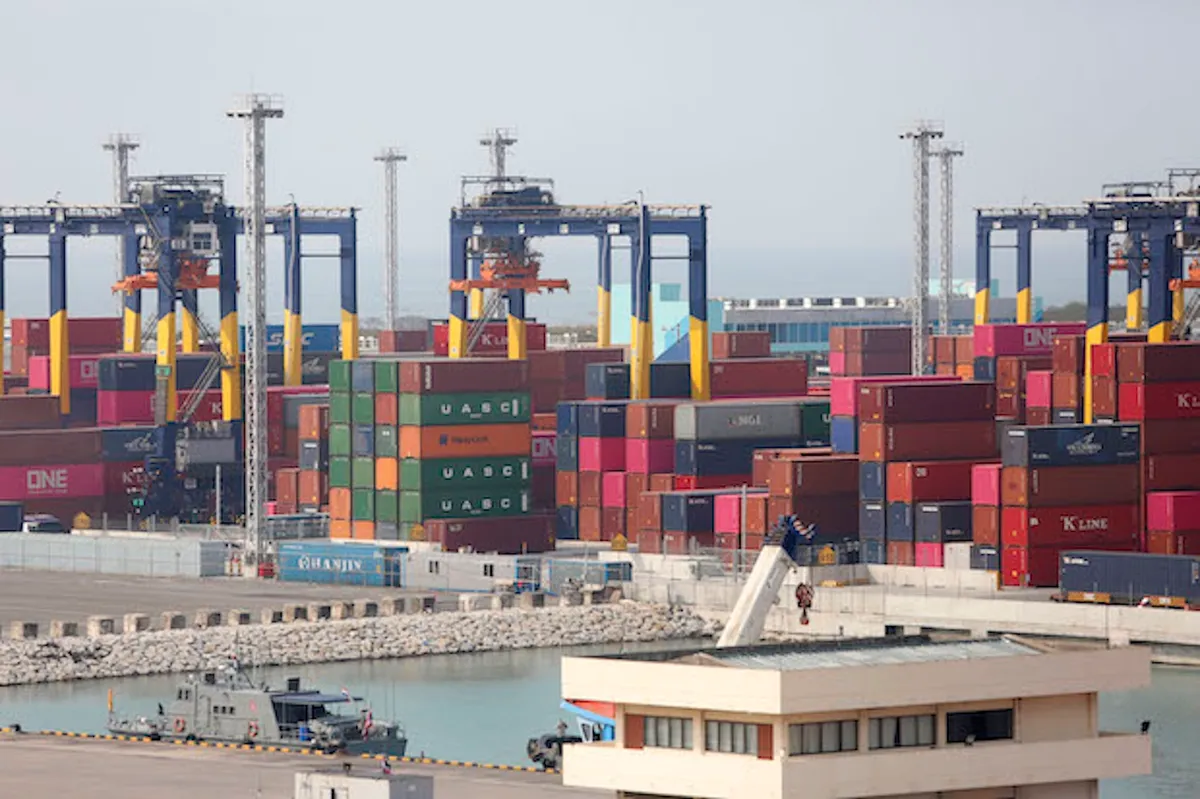
Thailand’s export sector demonstrated robust growth in July, with outbound shipments increasing by 21.6% compared to the same period last year. This figure significantly surpassed the 17.75% rise anticipated by economists in a Reuters poll, signaling a strong performance for the nation’s trade. The July surge follows an already impressive 20.8% expansion recorded in the preceding month, indicating sustained momentum in export activities.
Key Export and Import Dynamics
The impressive export performance in July contributed to a substantial increase in overall trade. However, imports also saw a significant rise, climbing by 36.7% year-on-year. This robust import growth, outpacing export expansion for much of the year, resulted in a trade deficit of $3.61 billion for July. Cumulatively, the trade deficit over the first seven months of the year reached a record $34.35 billion.
The disparity between import and export growth has drawn attention from international trade bodies. Specifically, the United States has cited this trend as evidence supporting its concerns that Thailand may be used as a transshipment point for goods originating from third countries, particularly China, destined for the U.S. market. This practice, if confirmed, could lead to trade disputes and necessitate adjustments in trade policies.
Revised Annual Forecasts and Sectoral Performance
In light of the strong July performance and prevailing economic conditions, the Ministry of Commerce has revised its annual export growth forecast upwards. The ministry now anticipates that exports will grow by more than 11% for the entire year, a notable increase from the previous forecast of 8%. This optimistic outlook is underpinned by rising global demand for products associated with technological advancements and artificial intelligence (AI).
Looking at the year-to-date figures, Thailand’s exports saw an 18.2% increase year-on-year during the first seven months of 2026. This performance builds upon the 12.9% growth recorded for the entirety of the previous year, highlighting a consistent upward trend in the country’s export capabilities.
Performance by Major Markets
Shipments to key international markets showed varied but generally positive trends in July:
- United States: As Thailand’s largest export market, the U.S. saw a significant increase in shipments, rising by 45.3% year-on-year in July. This strong performance indicates a healthy demand for Thai goods in the American market.
- China: Shipments to China also experienced growth, increasing by 15.2% during the same period. This demonstrates the continued importance of the Chinese market for Thai exporters.
Manufacturing Production Index
Complementing the positive export data, Thailand’s manufacturing production index also showed signs of recovery and expansion. In July, the index rose by 0.46% compared to the previous year. This figure was stronger than anticipated by analysts, who had forecast a 1.0% year-on-year drop in a Reuters poll. The positive deviation from forecasts suggests resilience in the manufacturing sector.
The July reading contrasts with a revised 2.4% fall recorded in the preceding month, indicating a turnaround in factory output. However, the Ministry of Industry has adjusted its annual forecast for factory output growth. The ministry now predicts a 0.25% rise for the year, a downward revision from its earlier forecast of 1.0% to 2.0%. This adjustment may reflect a more cautious outlook on domestic industrial production despite the recent positive indicators.
Conclusion
The July trade data presents a mixed but largely positive picture for Thailand’s economy. The strong export growth, exceeding forecasts and driven by demand in key markets like the U.S. and China, is a significant achievement. While the accompanying rise in imports has led to a record trade deficit and raised concerns about transshipment activities, the overall export momentum provides a foundation for revised annual growth expectations. The manufacturing sector’s performance, though showing a July uptick, faces a more conservative annual outlook, suggesting that continued monitoring of both domestic and international economic factors will be crucial for sustained growth.
