

A 50-year-old Thai national was apprehended at OR Tambo International Airport in South Africa last week, accused of attempting to smuggle parrot eggs. The discovery was made when airport officials inspected the individual’s hand luggage, uncovering a homemade incubator bag containing the eggs. The incident has brought renewed attention to the persistent issue of wildlife trafficking, particularly involving endangered avian species.
Wildlife Trafficking Concerns and CITES Protection
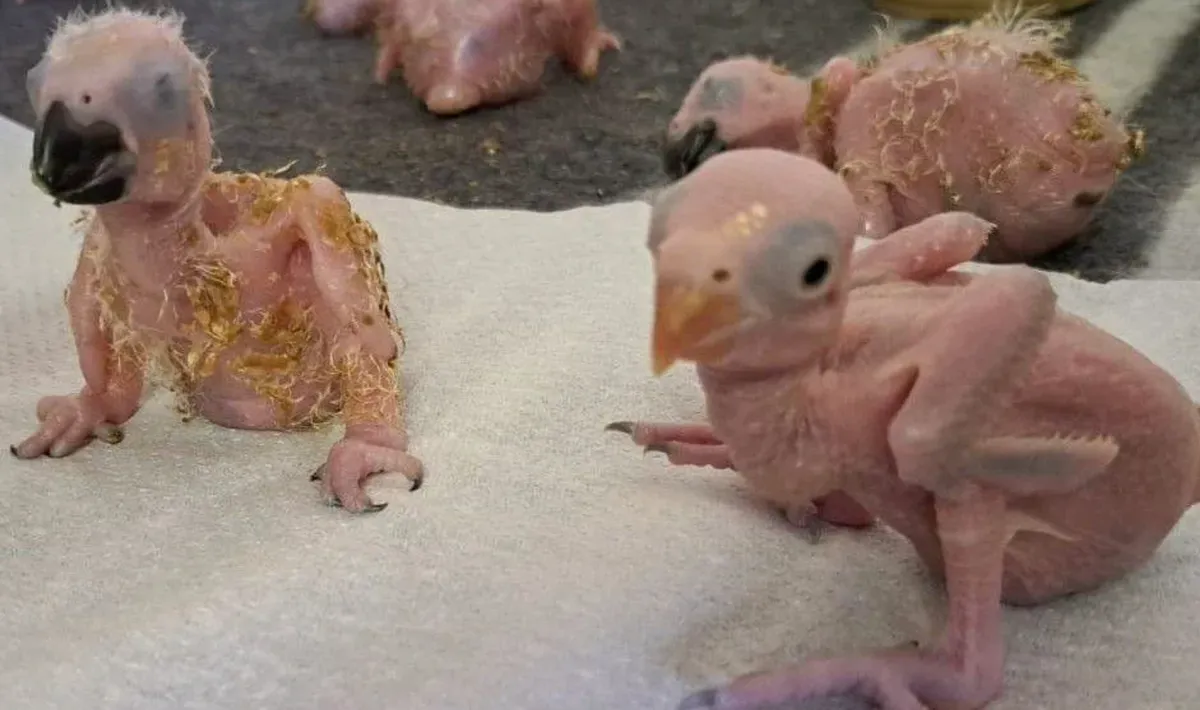
Preliminary assessments by the environment ministry indicate that the seized eggs likely belong to parrot species that are afforded protection under the Convention on International Trade in Endangered Species of Wild Fauna and Flora (CITES). CITES is an international agreement between governments aimed at ensuring that international trade in specimens of wild animals and plants does not threaten their survival. Many of the confiscated eggs have since been successfully hatched, and the resulting chicks are reportedly receiving intensive care to improve their prospects for survival.
Legal Ramifications for Wildlife Trafficking
Should the individual be convicted of the charges, they could face severe penalties. South African law stipulates a fine of up to 10 million rand (approximately 20.6 million baht), a prison sentence of up to 10 years, or a combination of both. These stringent penalties underscore the seriousness with which South Africa views wildlife crimes and the illegal trade in protected species.
Collaborative Enforcement Operation
The arrest was the culmination of a coordinated effort involving multiple law enforcement and environmental agencies. Key participants included the Department of Forestry, Fisheries and the Environment (DFFE), the specialized environmental enforcement unit known as the Green Scorpions, and various divisions within the South African Police Service. This multi-agency approach is crucial for tackling complex criminal networks involved in illicit activities.
Ministerial Commendation and Zoological Support
Environment Minister David Maynier extended his praise to all the agencies and personnel involved in the operation. He specifically acknowledged the dedicated work of the staff at the National Zoological Garden in Pretoria. These specialists have been instrumental in managing the incubation of the seized eggs and providing the specialized care necessary for the survival of the newly hatched chicks. Their efforts highlight the critical role of zoological institutions in conservation and wildlife protection initiatives.
Pattern of Smuggling at OR Tambo
This recent arrest follows a similar incident in July, where another Thai citizen, aged 23, was detained at the same Johannesburg airport. That individual was found to be attempting to smuggle a substantial quantity of parrot eggs – 418 in total. These recurring events suggest a concerning pattern of attempted smuggling through major international transit hubs.
Sophistication of Trafficking Networks
Officials have noted that such smuggling operations often employ improvised methods, including the use of makeshift incubators, to transport fragile eggs. These conditions frequently jeopardize the welfare of the developing embryos and the viability of the hatchlings. The ministry commented that these arrests serve as a stark indicator of the increasing sophistication and reach of transnational wildlife trafficking networks. Investigations into both the recent and previous cases are ongoing, suggesting a broader inquiry into the operations behind these smuggling attempts.
The Global Fight Against Wildlife Trafficking
The illegal wildlife trade is a multi-billion dollar global industry that poses a significant threat to biodiversity. It fuels organized crime, corruption, and can destabilize ecosystems. Parrots, known for their intelligence and vibrant plumage, are particularly sought after in the exotic pet trade, making them prime targets for traffickers. The CITES convention, along with national laws and international cooperation, forms the backbone of efforts to combat this illicit trade.
Challenges in Enforcement
Enforcing regulations against wildlife trafficking presents numerous challenges. Traffickers often operate across borders, utilizing sophisticated methods to evade detection. Airports, as major transit points, are critical locations for interdiction efforts. The success of operations like the one at OR Tambo relies heavily on intelligence sharing, advanced screening technologies, and the dedicated work of frontline enforcement officers and conservation specialists.
Conservation Implications
The smuggling of eggs and live animals directly impacts wild populations. When individuals are removed from their natural habitats, it can disrupt breeding cycles and reduce genetic diversity. For species already facing threats from habitat loss and other environmental pressures, illegal trafficking can push them closer to extinction. The successful rescue and care of the hatched chicks represent a small but vital victory in the broader conservation struggle.
Conclusion: Ongoing Vigilance Required
The apprehension of the Thai national at OR Tambo International Airport highlights the ongoing challenges in combating wildlife trafficking. The involvement of protected species and the use of elaborate smuggling techniques underscore the need for continued vigilance and robust international cooperation. As investigations proceed, authorities aim to dismantle the networks responsible for these illicit activities and protect endangered wildlife from exploitation.
