

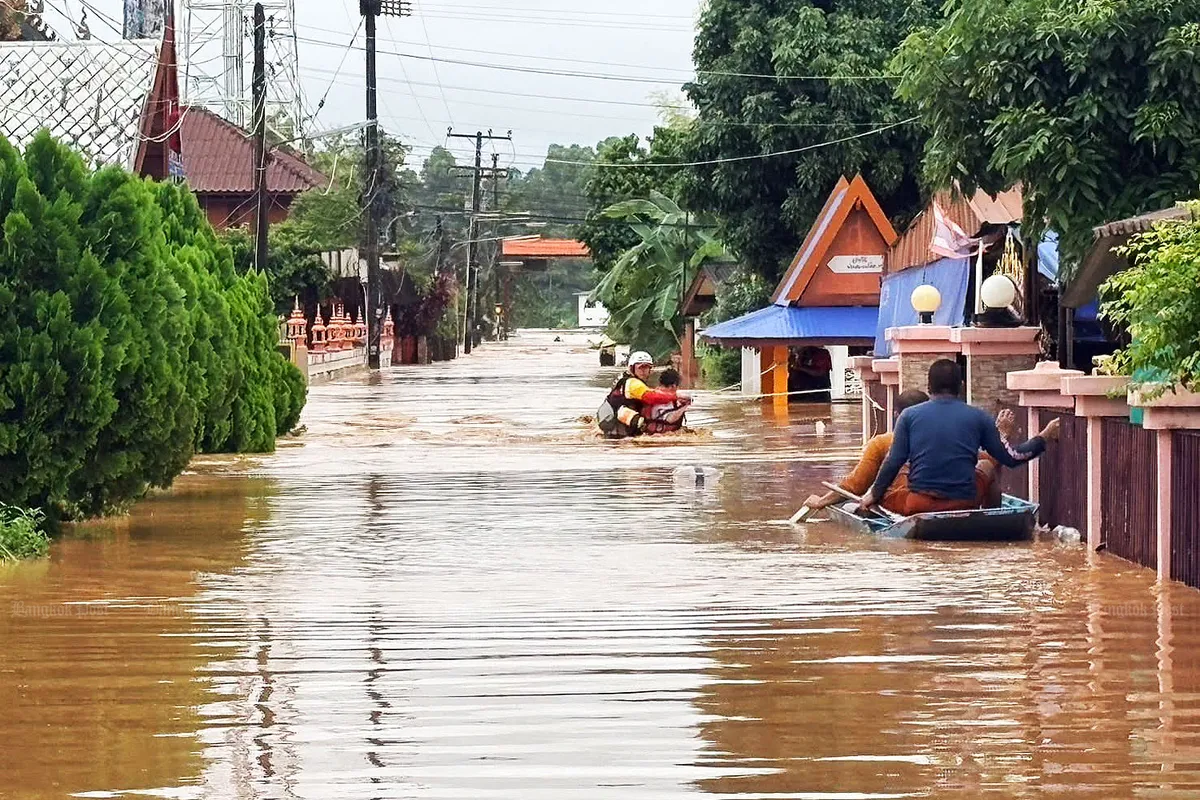
The Thai cabinet has greenlit a substantial central budget of 558.7 million baht to support individuals and communities impacted by the recent rainy season’s widespread flooding. This significant financial allocation aims to provide essential relief and aid to households that have suffered damage and to assist those who have tragically lost loved ones due to the severe weather events.
Comprehensive Flood Relief Measures
The approved budget is earmarked for a multi-faceted approach to flood relief, addressing immediate needs as well as longer-term recovery efforts. The funds will be distributed through various government agencies and local administrations to ensure efficient and targeted assistance reaches those most in need. Key areas of focus include:
- Direct Financial Assistance: Providing monetary aid to households for immediate expenses related to flood damage, such as temporary housing, food, and essential supplies.
- Reconstruction and Repair Support: Allocating funds to help repair or rebuild homes, public infrastructure, and agricultural land damaged by the inundation.
- Victim Compensation: Offering financial support to the families of individuals who perished in the floods, acknowledging the profound loss and hardship they face.
- Disaster Preparedness Enhancement: Investing in measures to improve early warning systems, evacuation plans, and emergency response capabilities for future flood events.
Context of the Rainy Season Floods
Thailand’s annual rainy season, typically running from May to October, often brings heavy rainfall that can lead to significant flooding across various regions. This year’s monsoon season has been particularly severe, with persistent downpours causing rivers to overflow, inundating urban areas, and devastating agricultural heartlands. The scale of the damage has necessitated a robust government response to mitigate the immediate suffering and to begin the process of recovery.
The Ministry of Interior, in coordination with other relevant ministries and provincial governors, will be responsible for the disbursement and oversight of the relief funds. Officials have emphasized the importance of transparency and accountability in the distribution process, ensuring that the aid reaches its intended beneficiaries without delay or mismanagement. The government has also called upon local communities to work together and report any emerging needs or challenges.
Economic and Social Impact
Flooding in Thailand has profound economic and social consequences. Beyond the immediate damage to homes and infrastructure, the inundation of agricultural land can cripple the livelihoods of farmers, impacting food security and national exports. Businesses also suffer from disruptions to supply chains, damage to property, and loss of revenue. The social impact includes displacement of communities, increased health risks due to contaminated water, and significant emotional distress for those affected.
The government’s swift approval of this substantial relief budget signals a commitment to addressing these widespread impacts. The allocated funds are expected to provide a crucial lifeline to affected populations, helping them to rebuild their lives and restore their communities. Furthermore, the investment in preparedness measures aims to build greater resilience against future climate-related disasters.
Looking Ahead: Long-Term Resilience
While the immediate focus is on providing relief, discussions are also underway regarding long-term strategies to enhance Thailand’s resilience to flooding. This includes exploring infrastructure improvements such as improved drainage systems, flood barriers, and better land-use planning. Climate change adaptation measures are also being considered to better prepare for potentially more extreme weather patterns in the future.
The B559 million flood relief budget represents a critical step in the recovery process. It underscores the government’s recognition of the severity of the recent floods and its dedication to supporting its citizens through this challenging period. The effective and timely distribution of these funds will be key to alleviating immediate hardship and fostering a sustainable recovery for the affected regions.
