

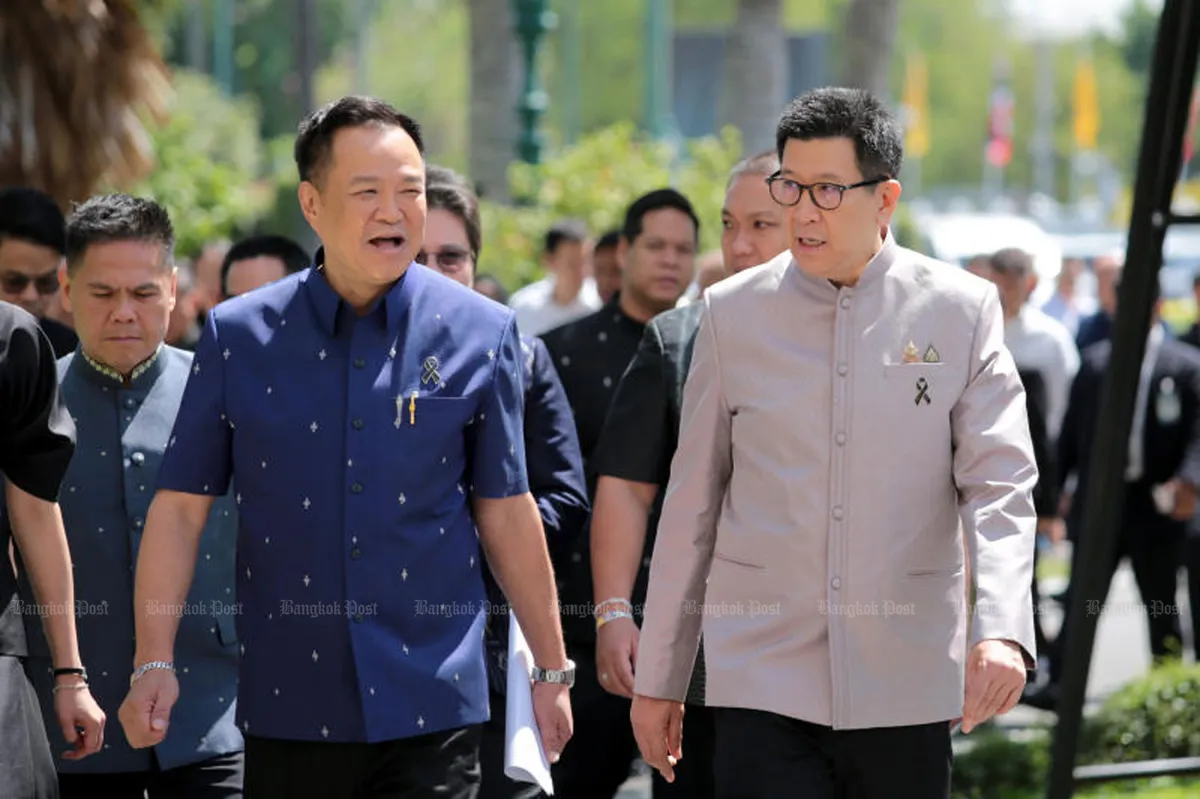
Thailand Sees Significant Jump in Global Competitiveness Ranking
The nation has achieved a notable four-place rise in the latest competitiveness rankings, securing the 26th position among over 70 economies. This positive development in the 2026 competitiveness assessment, compiled by the International Institute for Management Development (IMD), is expected to invigorate ongoing reform efforts.
Strategic Reforms to Address Strengths and Weaknesses
Findings from the IMD report, released on Thursday, highlight both areas of national strength and specific challenges that require attention. These will be addressed through the newly formed Joint Public-Private Consultative Committee on Economic Problems. The committee’s inaugural meeting is scheduled for Monday.
Energy Intensity: A Critical Infrastructure Challenge
A primary concern identified is energy intensity, an area where Thailand ranks a concerning 67th globally. The nation’s significant dependence on imported oil and natural gas, with energy imports constituting nearly 10% of the Gross Domestic Product (GDP), presents a long-term risk. “The country must accelerate its energy transition to reduce long-term risks,” stated Deputy Prime Minister and Finance Minister Ekniti Nitithanprapas.
New Committee to Drive Long-Term Economic Reforms
The Joint Public-Private Consultative Committee, chaired by Prime Minister Anutin Charnvirakul and with Mr. Ekniti serving as deputy chair, is designed to be a sustained mechanism for driving economic reforms. Meeting agendas will prioritize issues highlighted by the IMD, as well as concerns raised by international credit-rating agencies Moody’s and S&P Global Ratings.
Credit Ratings Affirm Economic Stability
Earlier assessments from S&P affirmed Thailand’s sovereign credit rating at BBB+ with a stable outlook, reflecting confidence in the country’s economic and fiscal stability. S&P projected economic growth of approximately 2% for the current year, anticipating that political stability will foster policy consistency, economic restructuring, and long-term investment plans.
Focus on Investment and Regulatory Reform
Both Moody’s and S&P have underscored the critical importance of investment in infrastructure, human capital, and regulatory reform. Minister Ekniti pointed to the proposed “Thailand Fast Pass” initiative as an example of how streamlining regulations can stimulate investment without requiring additional public expenditure.
Future Plans for Enhanced Competitiveness
Looking ahead, the government plans to establish four specialized subcommittees. These will focus on infrastructure, trade and competitiveness, business laws and regulations, and labor. Minister Ekniti expressed optimism that significant improvements could be realized within three to four years.
Areas of Improvement Highlighted by IMD
The IMD assessment revealed improvements in several key areas. International investment saw a rise, moving from 30th to 24th place, indicating stronger foreign direct investment inflows. Business efficiency also improved, with private-sector capability advancing from 39th to 37th. Fiscal performance has been bolstered by increased adoption of digital systems, such as e-tax invoicing.
Persistent Challenges in Trade and Infrastructure
Despite these gains, challenges persist. Thailand’s ranking in international trade declined from fourth to ninth, attributed to its export reliance and vulnerability to global economic fluctuations. Infrastructure indicators, particularly in health and environment (ranked 56th) and education (ranked 52nd), remain areas requiring further development.
National Confidence and Cooperation
Prime Minister Anutin Charnvirakul welcomed the positive international assessments, expressing gratitude to the Thai public for their confidence and cooperation with government policies. “The confidence shown by the international community reflects the confidence of the Thai people,” Minister Ekniti commented on the findings.
