

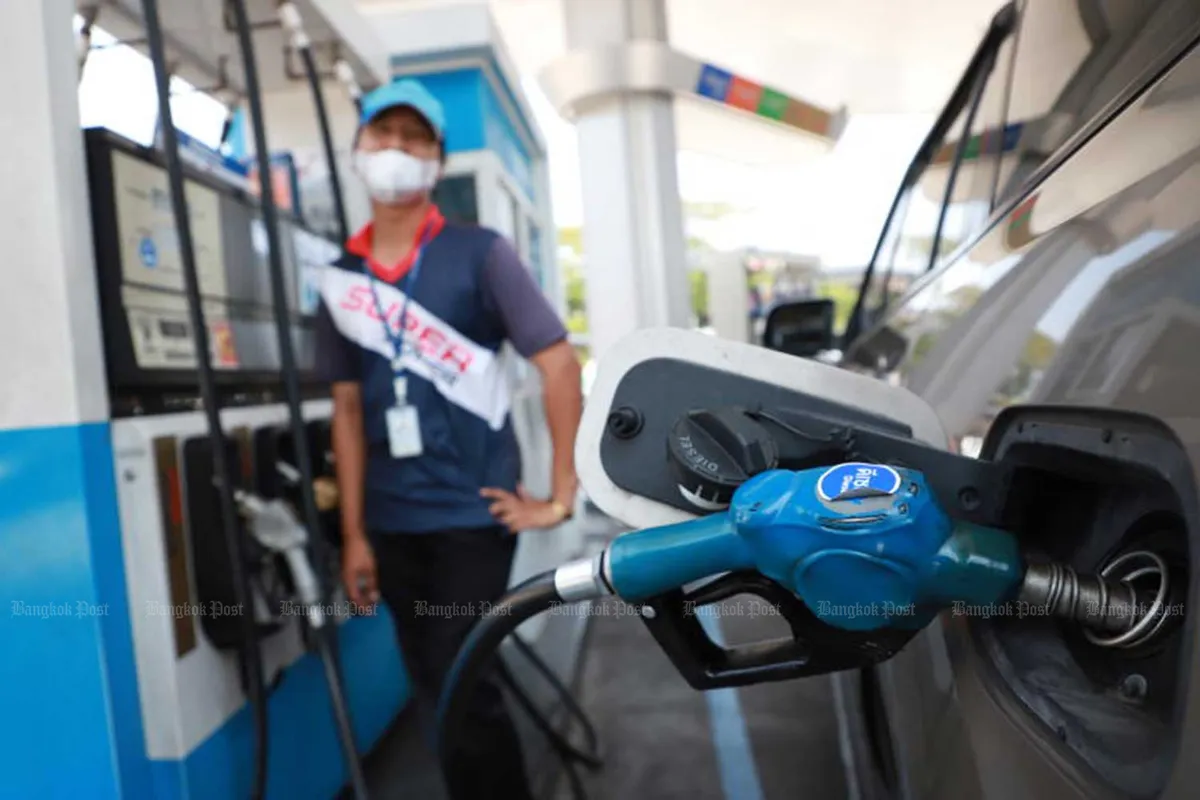
Thailand is rolling out a comprehensive strategic plan aimed at bolstering energy security and mitigating the impact of fuel crises on consumers. A key focus of this initiative is accelerating the transition to fuels blended with biofuels and implementing measures to stabilize fuel prices during periods of market volatility. The overarching goal is to equip the nation with robust tools to manage its energy supplies effectively amidst evolving global circumstances and to increase the utilization of domestically produced energy resources.
Strategic Framework for Energy Security
The newly devised fuel crisis response plan outlines a clear strategy for how the Oil Fuel Fund will be leveraged to maintain price stability and cushion the public from the effects of fluctuating energy costs. Deputy government spokeswoman Lalida Persvivatana emphasized that the management of this fund must be carefully balanced, considering its financial health, liquidity, and the nation’s long-term energy security objectives.
Currently, the Oil Fuel Fund provides significant subsidies to domestic fuel consumers. Diesel B7 receives a subsidy of 8.75 baht per liter, while diesel B20 is subsidized at 12.62 baht per liter. These subsidies have contributed to a substantial deficit within the fund, which currently stands at 92 billion baht. Projections indicate that the total support for domestic energy prices could approach 110 billion baht.
The Role of Biofuels in Energy Independence
Biofuels are identified as a critical component of Thailand’s strategy to enhance energy security. Ms. Lalida highlighted that these fuels can be produced from readily available domestic agricultural raw materials. By blending biofuels with conventional fuels, Thailand can reduce its reliance on imported oil, thereby strengthening its energy independence. “Thailand needs to increase its ability to rely on domestic energy sources amid volatility in the global energy market,” she stated, underscoring the strategic importance of this shift.
Financial Strain on the Oil Fuel Fund
The Oil Fuel Fund Office (OFFO) is confronting significant financial challenges, prompting consideration of a new borrowing program potentially reaching up to 100 billion baht. A source within the Ministry of Energy revealed that the fund’s deficit is expanding rapidly, increasing by approximately 700 million baht daily. At this pace, the deficit could escalate to 100 billion baht by late September or early October.
This deteriorating financial position persists even as global oil prices have begun to recede. The decrease in international prices has not been substantial enough to alleviate the severe pressure on the fund’s liquidity, which has been heavily utilized to support domestic fuel prices over an extended period. The source noted that a previous borrowing of 20 billion baht has already been allocated to repay existing debts, indicating the ongoing need for financial support.
Options for Alleviating Cash-Flow Pressures
To address the fund’s cash-flow challenges, two primary options are being considered: securing substantial new loans or gradually reducing fuel price subsidies. While new borrowing could provide immediate relief, it increases the fund’s debt burden. Conversely, reducing subsidies, though potentially easing the fund’s financial strain, could lead to higher pump prices for consumers, thereby increasing their cost of living.
The previous 20-billion-baht loan was sourced from two domestic commercial banks, with each institution contributing 10 billion baht. This entire amount has been disbursed to cover outstanding financial obligations. The final amount for the new borrowing program is still under discussion and will be determined after consultations with the new permanent secretary for energy and the energy minister.
Future Borrowing and Financial Management
New loans are anticipated to be sourced from domestic commercial banks. The terms and structure of any new borrowing will be contingent upon prevailing interest rates and market conditions. It is also possible that a government guarantee will be required, mirroring the arrangements for previous financing. The fund currently has approximately 10 billion baht in outstanding principal debt and must ensure timely interest payments to prevent further financial complications.
In parallel with these measures, the government is also exploring other avenues to alleviate price pressures, including potential reductions in fuel taxes. This multi-pronged approach aims to create a more stable and secure energy environment for Thailand.
Conclusion
Thailand’s strategic plan represents a concerted effort to navigate the complexities of the global energy market. By prioritizing the integration of biofuels, stabilizing domestic prices through the Oil Fuel Fund, and exploring new financing mechanisms, the nation aims to enhance its energy resilience. The plan underscores a commitment to balancing immediate consumer needs with the imperative of long-term energy security and financial prudence.
