

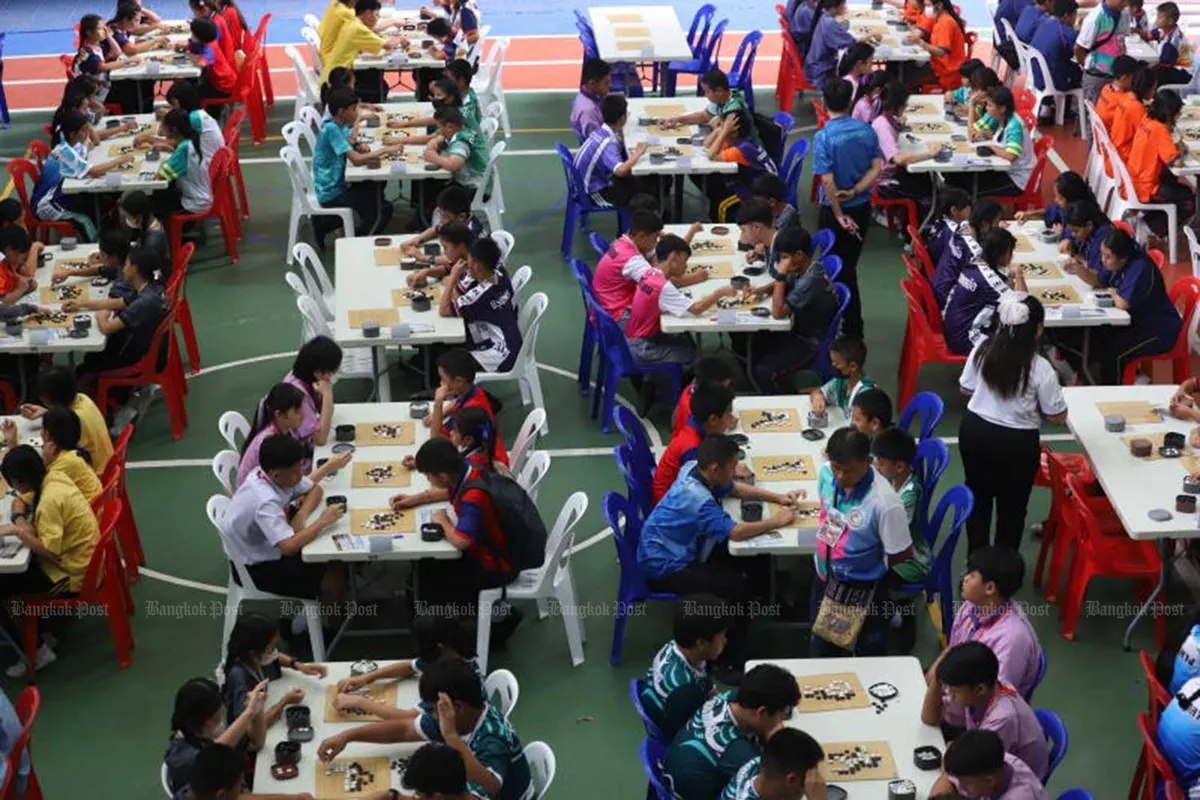
Thailand’s Digital Economy and Society (DES) Ministry is undertaking a significant revision of its draft Games Industry Promotion Act. The proposed changes aim to expand the legal definition of ‘games’ beyond just video games to encompass board games, trading cards, and associated commercial activities. This move is intended to foster a more inclusive and supportive environment for the burgeoning Thai game industry.
Rethinking the Legal Framework for Games
Minister of DES, Prasert Jantararuangtong, explained that the previous draft of the act was overly focused on control and regulation rather than actively promoting the growth of the entire games industry. He stated that a dedicated team has been assigned to review the draft, acknowledging that the existing version failed to adequately reflect the wider scope of modern business models and structures emerging around games.
The review will meticulously examine whether the legal definition of games should extend beyond video games to include board games and trading cards, along with other related business activities. The Minister highlighted trading cards as an example, noting that they combine elements of gameplay, collection, competition, and commercial opportunities, representing a complex concept that the current legal definition does not fully capture.
Fostering Domestic Intellectual Property
A key objective of the proposed revision is to strengthen the development of homegrown intellectual property (IP). Mr. Jantararuangtong emphasized that Thailand must build robust domestic IP, rooted in Thai identity, content, and culture. This strategic focus aims to enable Thai companies to develop creative content and characters that can be integrated into games and other commercial products, thereby generating broader economic value.
He pointed to countries like Japan and China as examples of nations that have successfully leveraged their creative output. These countries have enabled their companies to develop successful characters and content, which are then integrated into games and other commercial products, allowing them to build large user bases and generate significant economic value.
Addressing Industry Challenges and Opportunities
The revision also seeks to ensure that Thai legislation keeps pace with evolving business models within the game industry. It aims to provide a more appropriate framework for game developers, encouraging them to create and compete internationally while building sustainable businesses within Thailand.
Mr. Jantararuangtong acknowledged that many skilled Thai professionals, including programmers and game developers, have historically chosen to work overseas. This trend is largely attributed to the domestic environment not providing sufficient opportunities for industry development. The proposed legislative changes are intended to create an environment that encourages these skilled professionals to remain in Thailand, contribute to the local industry, and build businesses that can compete on a global scale.
Streamlining Development and Promoting Growth
The Minister dismissed speculation that the slow development of the previous act was due to a lack of an executive chief at the Digital Economy Promotion Agency (DEPA). He confirmed that the ministry assigned DEPA to draft the initial version in October 2024, followed by a public consultation in January 2025. While no specific deadline has been set for the current draft revision, he expressed a desire to see progress this year.
The revised act is envisioned not just as a regulatory tool but as a catalyst for growth. By broadening its scope and focusing on IP development, Thailand aims to cultivate a more dynamic and competitive game industry, capable of attracting and retaining talent, fostering innovation, and contributing significantly to the national economy.
Conclusion
The planned overhaul of the Games Industry Promotion Act signifies a strategic shift in Thailand’s approach to its digital entertainment sector. By embracing a more inclusive definition of games and prioritizing the development of domestic intellectual property, the government aims to unlock new opportunities for growth, innovation, and economic contribution from a sector with immense global potential.
