

Thailand is committed to maintaining a neutral position in the escalating technological competition between the United States and China, particularly concerning the development and deployment of artificial intelligence (AI). This stance aims to safeguard the nation’s interests and foster independent growth in critical technological sectors without aligning with either superpower.
Thailand’s Strategic Neutrality in AI Development
The Thai government has articulated its intention to remain equidistant from the US and China in the burgeoning AI race. This policy decision comes in response to reports suggesting that the United States might exclude nations participating in China-backed AI initiatives from US-led coalitions. Such a move could potentially create diplomatic and economic pressure on countries attempting to balance their international relationships.
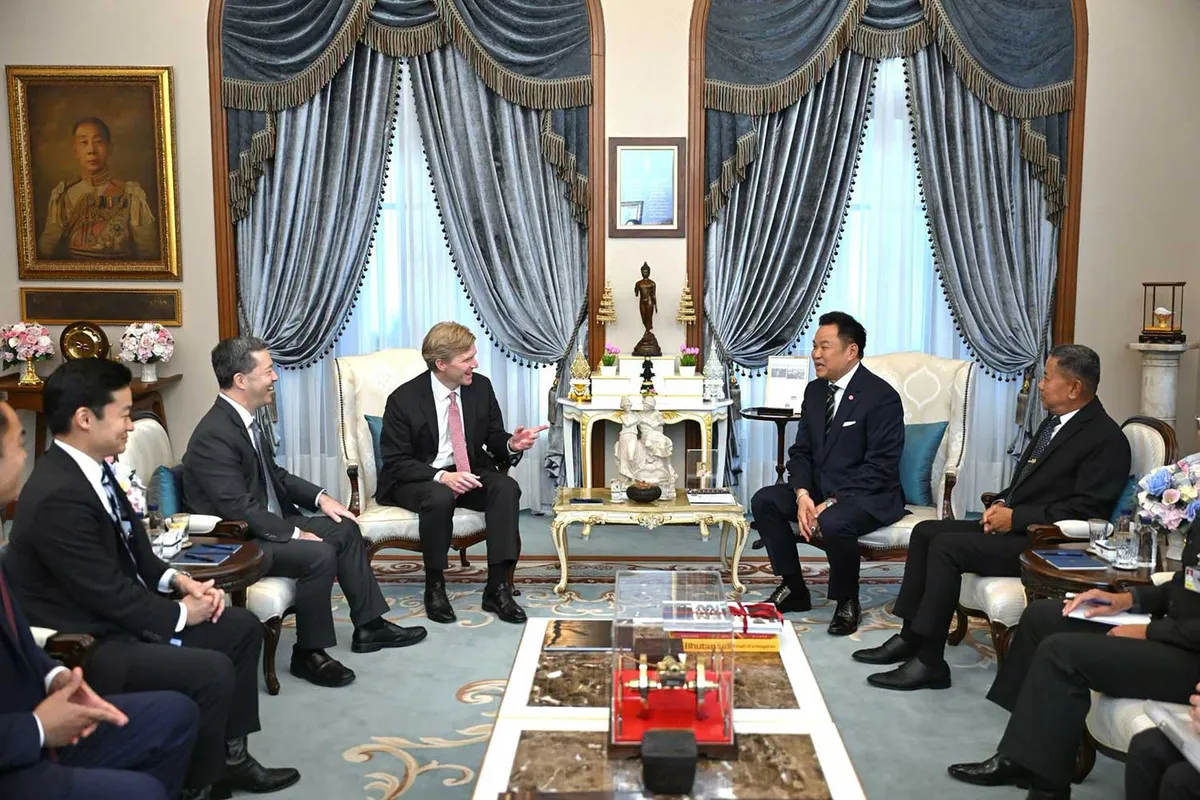
Deputy Prime Minister and Interior Minister Anutin Charnvirakul addressed these concerns, emphasizing that Thailand’s neutral approach in AI matters is unlikely to negatively impact its trade negotiations with the US. He clarified that security cooperation, a separate domain, also remains distinct from trade discussions. This was underscored by a recent meeting between US defense officials, including Pentagon policy chief Elbridge Colby, and the Thai government in Bangkok. Both sides reportedly reaffirmed that security collaborations, such as the Cobra Gold military exercise and ongoing US military support, are independent of trade talks.
When questioned about potential US pressure regarding Thailand’s stance on China, Mr. Anutin dismissed the notion, describing the meeting atmosphere as one of mutual appreciation for existing cooperation rather than an imposition of demands. He stated, “Not at all. Didn’t you see the atmosphere? It was all about appreciation for our cooperation. Why say they came to pressure us? They simply came to meet us.”
Focusing Inward: Building National AI Capabilities
The Minister of Higher Education, Science, Research and Innovation, Yodchanan Wongsawat, advocated for Thailand to prioritize the development of its own AI capabilities. He suggested that rather than being forced to choose between the US and China, the nation should concentrate on strengthening its domestic technological foundation. This approach, he believes, will prevent over-reliance on any single major power.
Thailand has been actively engaging in discussions about AI and related technologies, including semiconductors, with various international partners. The country has also participated in AI-focused meetings, such as one held in China under the auspices of the World Internet Conference. The government is carefully considering its potential involvement in China’s AI initiative, known as Pax Silica.
Pax Silica aims to secure supply chains for essential AI components like semiconductors and critical minerals, a move seen as a response to the intensifying technological rivalry between Washington and Beijing. However, Thailand’s strategy emphasizes self-sufficiency and strategic partnerships across multiple nations.
Investing in Foundational Technologies
Minister Yodchanan highlighted the importance of investing in fundamental areas beyond just AI. He stressed the need for robust development in basic science, hardware, data infrastructure, and cybersecurity. These foundational elements are crucial for building a resilient and adaptable technological ecosystem.
He further explained that a strong national database would significantly enhance Thailand’s flexibility in selecting AI systems and choosing foreign partners. This strategic investment in core infrastructure is seen as key to maintaining autonomy and maximizing benefits from international collaborations.
The Thai government has already established working relationships with countries like France, Japan, and South Korea to address areas where national capacity is currently insufficient. This multilateral approach allows Thailand to acquire necessary expertise and technology while mitigating risks associated with exclusive alliances.
Monitoring International Developments
The Ministry of Foreign Affairs, through its spokesperson Jaithai Upakarnitikaset, confirmed that Thailand had not yet received the reported letter from the US concerning participation in China-backed AI frameworks. The ministry stated its intention to closely monitor the unfolding situation and any official communications from the US government. This cautious approach allows Thailand to formulate a response based on concrete information rather than speculation.
Thailand’s commitment to neutrality in the US-China AI race reflects a strategic effort to navigate complex geopolitical dynamics. By focusing on building indigenous capabilities and fostering diverse international partnerships, the nation aims to secure its technological future and economic stability in an increasingly competitive global landscape.
Key Takeaways for Thailand’s AI Strategy:
- Neutrality as a Core Principle: Thailand seeks to avoid taking sides in the US-China technological rivalry, particularly in AI.
- Focus on Self-Sufficiency: Prioritizing the development of domestic AI capabilities and foundational technologies is paramount.
- Diversified Partnerships: Engaging with multiple countries, including the US, China, France, Japan, and South Korea, to acquire technology and expertise.
- Separation of Concerns: Maintaining a clear distinction between security cooperation, trade negotiations, and AI policy alignment.
- Information Gathering: Actively monitoring international developments and official communications before committing to specific AI initiatives.
This balanced approach is designed to maximize Thailand’s strategic options, foster innovation, and ensure that the nation benefits from technological advancements without becoming entangled in superpower competition.
