

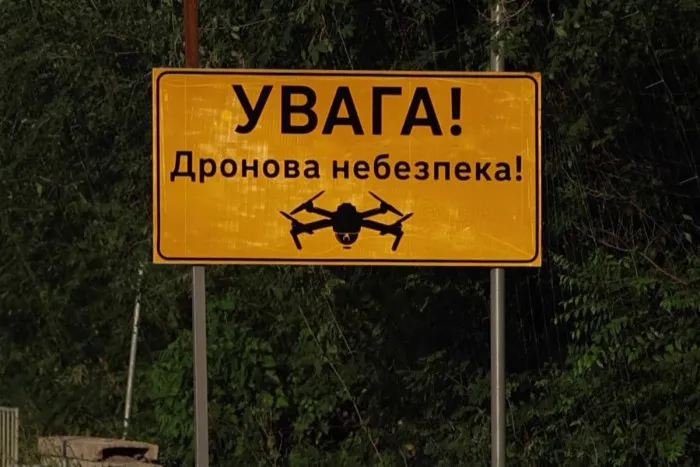
The use of drones in modern conflict has introduced a new and unsettling dimension to warfare, particularly for civilians caught in the crossfire. In Ukraine, particularly in cities close to the front lines, residents have begun referring to drone attacks as a ‘safari.’ This chilling term reflects the terrifying reality of unmanned aerial vehicles being used to target individuals and vehicles in urban environments, a tactic that has become a stark feature of the ongoing conflict.
The ‘Safari’ Phenomenon in Kherson
The southern city of Kherson, situated on the front lines, has been particularly exposed to this type of warfare. Residents there have long endured the constant threat of drone attacks. A recent viral video vividly illustrated this danger, showing a drone targeting a vegetable seller on the street. Such incidents, while often captured and shared online, represent a grim daily reality for many.
This phenomenon highlights a significant shift in military tactics, where drones, once primarily viewed as reconnaissance tools, are now actively employed as offensive weapons against civilian populations. The accessibility and relative low cost of some drone technologies have made them a potent, albeit indiscriminate, weapon in the hands of combatants.
Technological Evolution and Civilian Impact
The evolution of drone technology has outpaced many traditional forms of warfare, presenting unique challenges for civilian protection. Small, commercially available drones can be modified to carry explosive payloads, making them difficult to detect and counter. Their ability to hover and observe before attacking adds a psychological layer of terror, as potential targets may be aware of the threat for some time before an attack occurs.
The term ‘safari’ implies a hunt, a deliberate targeting of unsuspecting individuals. This perception is amplified when drones are seen as operating with impunity over populated areas. The psychological toll on civilians living under such a constant threat cannot be overstated. The fear of random attacks can disrupt daily life, leading to anxiety, avoidance of public spaces, and a pervasive sense of insecurity.
Challenges in Countering Drone Threats
Addressing the threat posed by weaponized drones presents significant challenges for both military forces and civilian authorities. Traditional air defense systems are often designed to counter larger, faster-moving aircraft and may not be effective against small, low-flying drones. The development of specialized counter-drone technologies, such as jammers, directed energy weapons, and specialized interceptor drones, is ongoing but remains a complex and costly endeavor.
Furthermore, the dual-use nature of drone technology complicates efforts to regulate its proliferation. Drones are used for a wide range of legitimate civilian purposes, including photography, agriculture, and delivery services. Distinguishing between legitimate and malicious use, especially in a conflict zone, is a difficult task.
International Law and Civilian Protection
The use of drones in attacks on civilian areas raises critical questions regarding international humanitarian law. Principles of distinction and proportionality are central to the laws of armed conflict, requiring combatants to differentiate between combatants and civilians and to ensure that any anticipated military advantage outweighs the expected harm to civilians. Attacks directed against civilians or civilian objects are prohibited.
The effectiveness of these legal frameworks in the context of drone warfare is a subject of ongoing debate. The ability of drones to conduct precise, often remote, attacks can blur the lines of accountability. Ensuring that those who deploy drones in ways that violate international law are held responsible is a crucial aspect of upholding justice and protecting civilian populations in future conflicts.
The Broader Implications of Drone Warfare
The ‘safari’ phenomenon in Ukraine is indicative of a broader trend in modern warfare. As drone technology becomes more sophisticated and accessible, its integration into military operations is likely to increase globally. This necessitates a comprehensive approach to understanding and mitigating the risks associated with this technology, particularly concerning its impact on civilian populations.
Educational initiatives aimed at raising awareness among civilians about drone threats and safety measures can play a role. Additionally, international cooperation is vital to develop effective strategies for monitoring drone activity, preventing the misuse of drone technology, and ensuring adherence to international humanitarian law. The experiences in places like Kherson serve as a stark reminder of the evolving nature of conflict and the urgent need for robust measures to protect civilians in the age of unmanned aerial systems.
Conclusion: A New Era of Warfare
The chilling term ‘safari’ used by Ukrainians to describe drone attacks underscores the profound impact of new technologies on civilian life during wartime. As drones become more prevalent in conflicts, understanding their capabilities, the challenges they pose, and the legal and ethical considerations surrounding their use is paramount. The situation in Kherson and other frontline cities highlights the urgent need for continued innovation in civilian protection strategies and a steadfast commitment to upholding international law in the face of evolving military tactics.
