

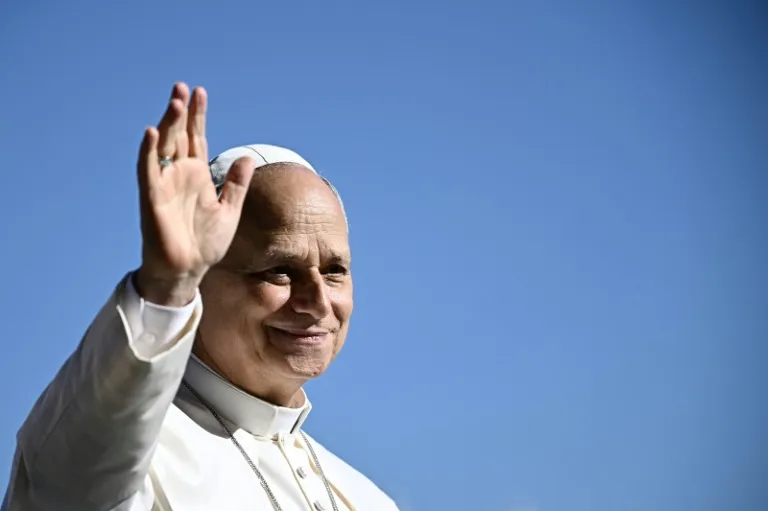
The intricate planning and execution of a papal foreign trip involve a complex interplay of diplomatic, logistical, and security considerations. When Pope Leo XIV embarks on his visit to France from September 25 to 28, an operation involving approximately 15,000 security personnel will be in motion. This significant undertaking, which includes events at iconic locations like Notre-Dame Cathedral and the Champs-Élysées, represents the first papal journey to Paris since 2008, with its groundwork laid long before the official announcement.
The Decision to Visit: A Multifaceted Process
The invitation for a papal visit originates from a country, but the pontiff’s decision to accept hinges on a variety of pastoral and political factors. A Vatican source indicated that the choice is heavily influenced by the prevailing international context. This assessment encompasses social and political conditions, including ongoing conflicts and humanitarian crises, alongside the state of the local Catholic Church and the historical precedent of previous papal engagements in the region.
Beyond these overarching considerations, each pontiff cultivates a personal agenda, and the selection of destinations often reflects the papacy’s geopolitical priorities. For instance, Pope John Paul II strategically traveled to Eastern European nations to voice opposition to Communism. In contrast, Pope Francis, during his 12-year tenure, focused on the Church’s “peripheries,” visiting countries such as Iraq, Mongolia, and Papua New Guinea. Pope Leo XIV, by his origins, appears to lean more towards European engagements and interactions with major international bodies.
Onboard the Papal Flight: Logistics and Interaction
The Holy See does not possess its own official aircraft. Consequently, for outbound journeys, a commercial plane is chartered from ITA Airways, Italy’s national airline. The return flight is typically provided by the host nation.
Aboard the aircraft, the Pope occupies seat 1A, positioned at the front left of the cabin, with a depiction of the Virgin Mary placed before him. Adjacent to him, in seats marked with the Holy See’s coat of arms, are cardinals, his private secretaries, and a physician. Providing close protection, approximately 40 officers from the Vatican Gendarmerie and the Swiss Guard, attired in dark suits and ties, are present.
The rear section of the cabin is reserved for the media contingent, comprising around 80 journalists, photographers, and cameramen. These media professionals bear the cost of their travel, with tickets generally amounting to several thousand euros.
During the outbound flight, the Pope customarily walks through the plane to greet journalists individually. These interactions sometimes include personal anecdotes, and occasionally, correspondents present him with gifts, ranging from football jerseys to local food items.
The ‘Sky-High Briefing’
The return journey is distinguished by what is often described as one of the world’s most closely observed press conferences: the “sky-high briefing.” Conducted at an altitude of 10,000 meters, within a cabin filled with cameras, microphones, and tripods, this event allows the Pope to address the media while en route home.
Comprehensive Preparations: Security, Gifts, and Essentials
The luggage accompanying the papal delegation is extensive, containing the Pope’s personal effects, meticulously prepared speeches drafted weeks in advance, and essential security equipment. Additionally, sealed cases hold liturgical items, such as vestments required for Mass. The delegation also carries dozens of official gifts intended for heads of state and dignitaries, which may include paintings, books, or rosaries.
Security and Medical Contingencies
Security and logistical management represent the most significant challenges of any papal tour. Given the Pope’s dual role as head of state and spiritual leader to over 1.4 billion Catholics, he is among the most protected individuals globally. The medical team travels with a supply of the Pope’s blood type, and a dedicated hospital suite is kept on standby in the host country, ready to provide immediate care if needed.
The distinctive white Popemobile is transported to the destination in advance, with a backup vehicle also prepared on-site to ensure seamless transportation. Journalists, including those from agencies like AFP, precede the Pope at every stage of his movements, traveling in a convoy accompanied by law enforcement, often with sirens activated.
The ‘Advance Team’: Finalizing Details
As is standard practice before each international trip, a Vatican delegation, known as the “advance team,” travels to the host country well ahead of the papal arrival. This team, which visited France in mid-July for Pope Leo XIV’s upcoming visit, works closely with local authorities to finalize all arrangements. A Vatican security source emphasized the critical nature of this preparation, noting that “the program can change at the very last minute” and that “everything has to be meticulously planned, almost down to the second.” This meticulous attention to detail ensures the safety and success of each papal journey.
