

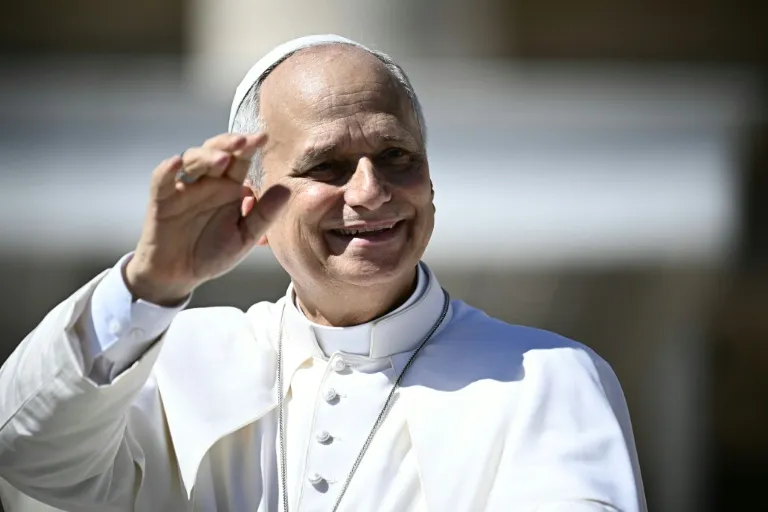
Pope Leo XIV is set to embark on a significant official visit to France, marking the first papal trip to the nation in 18 years. The pontiff’s agenda addresses several pressing issues, reflecting both the challenges facing the Catholic Church and broader societal concerns within France and Europe. The visit comes at a time of heightened sensitivity around clerical abuse, evolving end-of-life legislation, and an upcoming presidential election, all of which are expected to feature prominently in discussions and public addresses.
Addressing Clerical Abuse
A central focus of Pope Leo XIV’s visit will be the ongoing efforts to confront and reform the Church in the wake of global sexual abuse scandals. The Vatican has confirmed that the Pope will meet with victims of clerical sexual abuse, a move that underscores the Church’s commitment to acknowledging past harms and implementing lasting change. This encounter is particularly poignant given the scale of abuse uncovered in France; a 2021 inquiry revealed that approximately 330,000 minors were abused by clergy or lay Church members over a 70-year period. The Church’s reputation has been further tarnished by subsequent scandals, including allegations against the revered charity figure Abbe Pierre and widespread abuse at the Notre-Dame de Betharram school. The Pope is scheduled to meet seven victims on September 27 in Lourdes, including a former student from the Betharram school. While the format of these meetings has drawn criticism from victim support groups, it mirrors an approach taken in Spain, where Pope Leo pledged the Church’s dedication to further reform.
Navigating Assisted Dying Legislation
France’s recent passage of legislation establishing a right to assisted dying for individuals with incurable conditions presents another significant point of discussion. The Catholic Church in France has voiced strong opposition to this law, characterizing it as a profound “rupture.” Cardinal Jean-Marc Aveline, head of the French bishops’ conference, emphasized that the “defence of the dignity of human life is at the heart of the Pope’s message.” The manner in which Pope Leo will convey this message in France remains a subject of anticipation. Experts suggest that while the Pope may address the issue, a confrontational stance is unlikely. Instead, he might focus on reinforcing the importance of care for the elderly and vulnerable, aligning with the Church’s broader ethical framework.
The Shadow of the Presidential Election
Pope Leo XIV’s visit occurs just seven months before France’s presidential election, an unusual timing for a papal trip. Pontiffs typically avoid visiting countries in such close proximity to major electoral events. The upcoming election is seen as a critical opportunity for the far-right National Rally party, led by Marine Le Pen, to potentially gain power as President Emmanuel Macron prepares to step down. Migration is anticipated to be a dominant theme in the election campaign. Pope Leo has previously spoken out on this issue, notably condemning “indifference” towards migrants during his trip to Spain. His itinerary in France includes a visit to an organization that supports migrants, a gesture seen by observers as a significant signal of his concern and engagement with the issue.
Europe’s Evolving Role and Identity
This state visit highlights Pope Leo XIV’s engagement with historically Catholic yet increasingly secular European nations, a focus that appears to distinguish his papacy from that of his predecessor, Francis. The Pope is expected to deliver several key speeches, including addresses at the UN cultural agency UNESCO and in Metz, a city near the German border. His program in Metz features a session titled “To the roots of Europe for peace and unity,” underscoring his interest in the continent’s foundational values and future direction. While the Pope is unlikely to engage in direct political endorsements, his messages will inevitably carry political weight. Analysts suggest that by advocating for European integration, the Pope is implicitly lending his support to the continent’s political project. Furthermore, his emphasis on multilateralism positions Europe as a crucial counterweight to other global powers, including the United States, China, and Russia, as he seeks to address what he terms ‘imperial logics’.
Conclusion
Pope Leo XIV’s visit to France is poised to be a moment of significant dialogue and reflection. The pontiff’s engagement with the complex issues of clerical abuse, end-of-life ethics, migration, and Europe’s geopolitical standing will undoubtedly shape perceptions and potentially influence discourse within France and beyond. His addresses and meetings are anticipated to offer guidance and reinforce the enduring values of the Catholic Church amidst contemporary challenges.
