

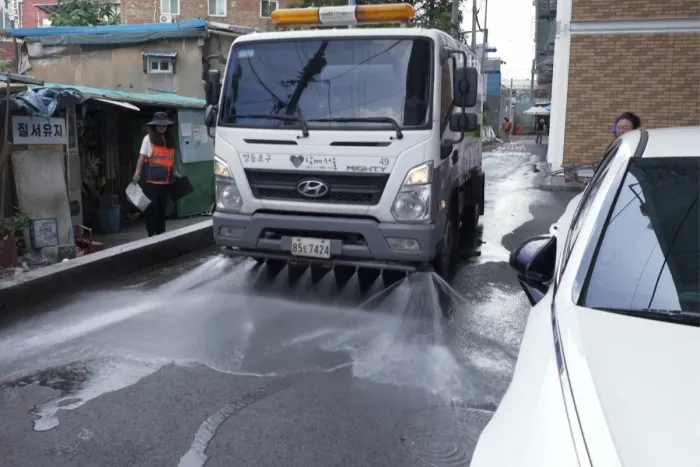
Elderly residents in a low-income district of Seoul found much-needed respite on Tuesday, August 4th, as cooling mist systems and water-spraying vehicles provided a temporary reprieve from a relentless and record-breaking heatwave gripping the South Korean capital. The oppressive temperatures have placed vulnerable populations, particularly older adults, at significant risk.
Record Temperatures Intensify Heatwave Concerns
South Korea has been experiencing an unprecedented heatwave, with temperatures soaring to levels not seen in decades. The mercury in Seoul has consistently climbed, pushing the heatwave index to dangerous levels. This prolonged period of extreme heat poses a serious threat to public health, especially for the elderly, who are more susceptible to heat-related illnesses such as heatstroke and exhaustion. The strain on public services and infrastructure is also mounting as the city grapples with the sustained high temperatures.
Community Efforts Provide Essential Cooling
In response to the sweltering conditions, local authorities and community organizations have deployed various measures to help residents, particularly those in underserved areas. Cooling mist stations, strategically placed in public spaces, have become popular gathering spots, offering a fine, refreshing spray that lowers the perceived temperature. Additionally, water-spraying trucks have been seen navigating residential streets, providing a mobile source of cooling relief for those who may have difficulty reaching designated cooling centers.
One resident, Cho Sang-yeon, a 57-year-old who has lived in the neighborhood for over twenty years, expressed his shock at the intensity of the current heat. “I have never experienced the heat as much as this year in more than two decades of living in the area,” he shared while sitting outside a local store, benefiting from the ambient coolness.
The Plight of Vulnerable Populations
The elderly, particularly those living in poverty, face unique challenges during extreme heat events. Many reside in older buildings with inadequate cooling systems, and limited financial resources can prevent them from using air conditioning even if available. Furthermore, pre-existing health conditions can be exacerbated by high temperatures, making them more vulnerable to severe health outcomes. The community’s efforts to provide accessible cooling solutions are therefore critical in mitigating these risks.
Broader Impact of the Heatwave
Beyond the immediate health concerns, the intense heatwave has had wider implications across the region. Agricultural sectors are reporting crop damage, and energy consumption has surged as demand for cooling electricity skyrockets, leading to concerns about power grid stability. Public transportation systems also face challenges, with potential for track expansion and increased strain on cooling systems within vehicles.
Public health officials have been issuing frequent advisories, urging residents to stay hydrated, avoid strenuous outdoor activities during peak heat hours, and check on elderly neighbors and relatives. Cooling centers have been established in various community facilities, offering a safe and cool environment for those most at risk.
Looking Ahead: Preparedness and Resilience
As climate change continues to contribute to more frequent and intense extreme weather events, cities like Seoul are increasingly focused on building resilience. This includes investing in more robust public cooling infrastructure, improving early warning systems for heatwaves, and developing targeted support programs for vulnerable populations. The current heatwave serves as a stark reminder of the growing need for proactive measures to protect citizens from the impacts of a warming planet.
The efforts to provide relief through misting systems and water trucks, while temporary, highlight the immediate need for such interventions. However, long-term strategies are essential to ensure the safety and well-being of all residents, especially the elderly, in the face of escalating climate challenges. The city’s response, combining immediate relief with a growing awareness of future needs, underscores the complex interplay between environmental conditions and public health.
