

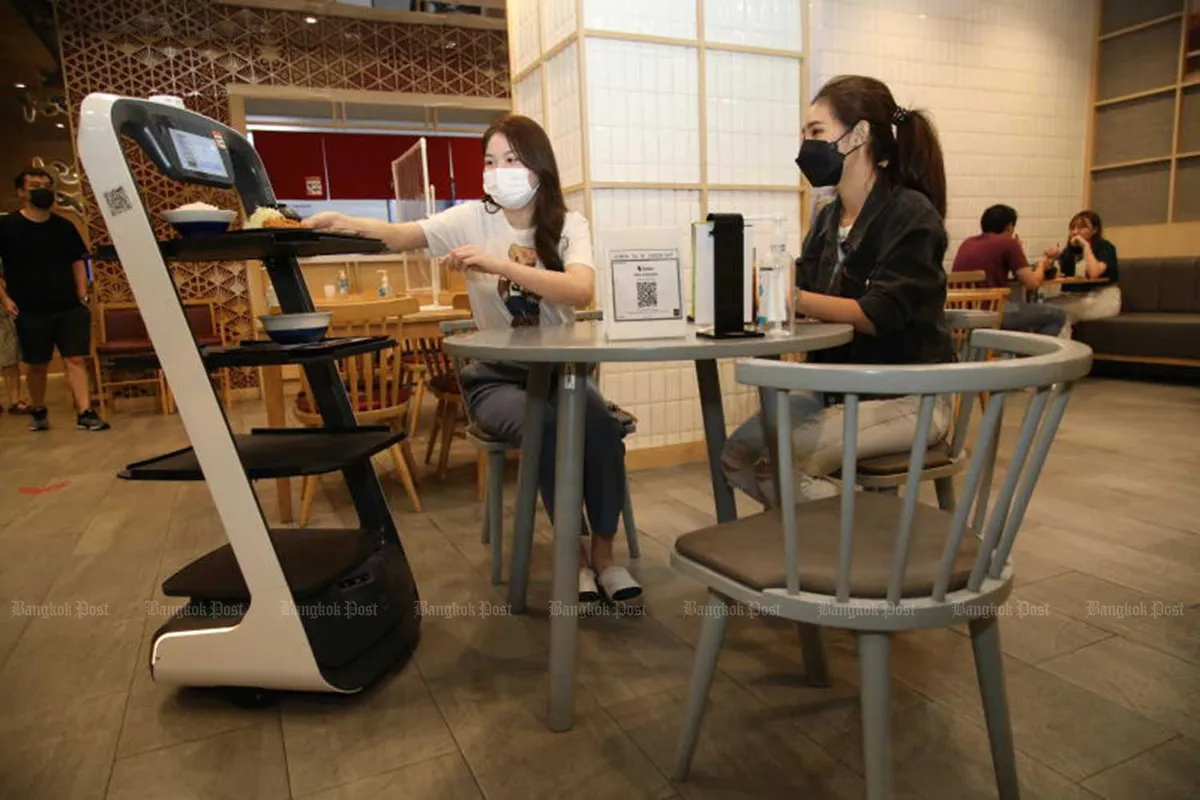
Thai restaurants are increasingly turning to technology to navigate a persistent labor shortage affecting both front-of-house and kitchen operations. The challenge, described as significant by industry leaders, is prompting a shift towards digital solutions to streamline processes and mitigate staffing gaps. While precise figures on the number of affected workers and businesses remain unavailable, the economic impact is substantial, with the restaurant and beverage sector projected to generate 673 billion baht in revenue this year, according to an analysis by Kasikorn Research Center in May.
Deepening Labor Challenges in the Restaurant Industry
Several factors are contributing to the intensifying worker scarcity. Thailand’s demographic shift, marked by an aging population where over 20% of citizens are 60 or older, means a shrinking pool of younger workers available for service industry roles. Furthermore, restaurants face stiff competition for talent from other booming sectors, including hotels, retail, and logistics. This heightened demand for employees naturally puts upward pressure on wages, giving larger establishments with the capacity to offer more competitive salaries and benefits a distinct advantage.
Labor costs typically represent a significant portion of a restaurant’s expenses, usually ranging between 15% and 20% of operating costs. The evolving expectations of the new generation of workers also play a crucial role. Many younger individuals are seeking greater work-life balance and are drawn to the flexibility offered by online and freelance opportunities. To attract and retain staff, restaurant
