

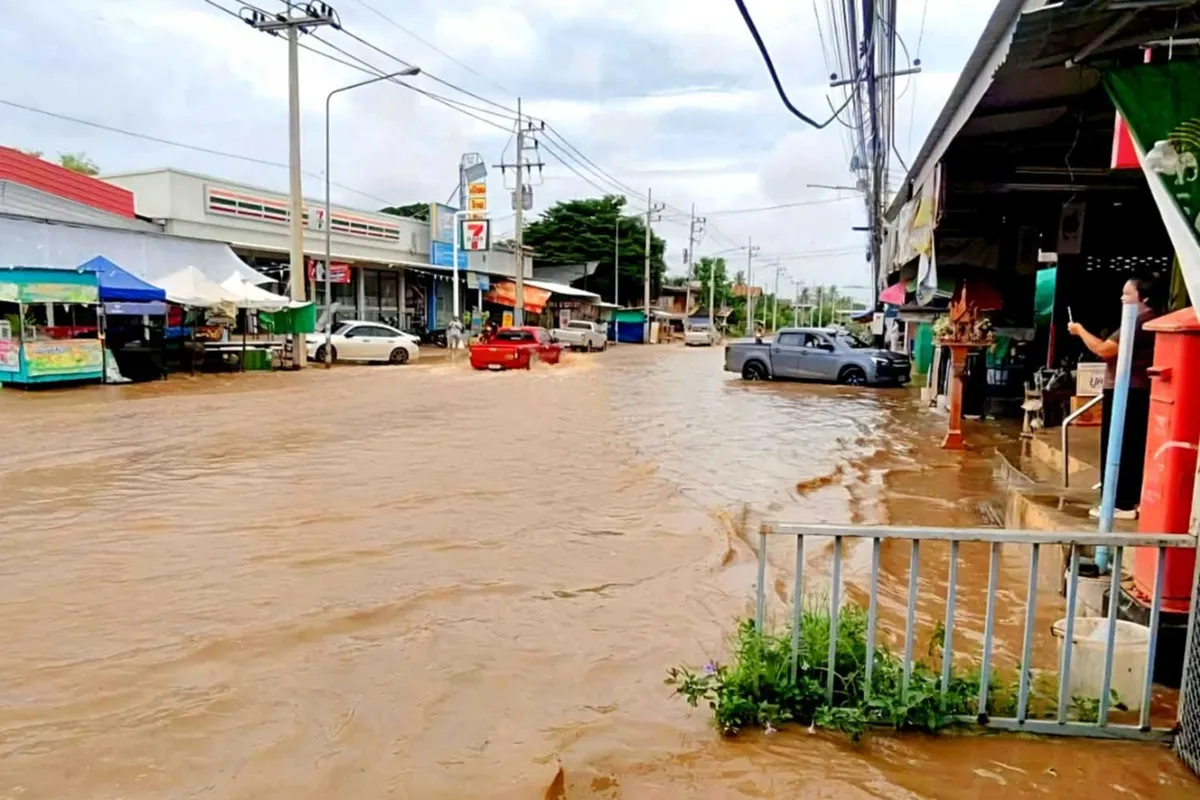
The government has significantly boosted its financial allocation for flood response and preparedness, recognizing the dual challenges of immediate water-related emergencies and the looming threat of drought. Prime Minister Anutin Charnvirakul greenlit the additional funding following briefings from deputy prime ministers on the nation’s readiness for water-related crises. This financial injection aims to provide immediate relief to flood-affected regions while simultaneously bolstering efforts to mitigate potential drought conditions expected early next year.
Proactive Water Management Strategies
Beyond immediate relief, the Prime Minister has directed deputy prime ministers to identify and implement strategies for water storage during the current rainy season. The objective is to secure sufficient water reserves to combat potential drought conditions that could arise in the early months of the following year, even as heavy rainfall currently impacts various parts of the country. This forward-thinking approach underscores a commitment to long-term water security.
Monitoring and Early Warning Systems
The Disaster Prevention and Mitigation Department is actively monitoring the evolving weather and water situation across the nation. On Tuesday, the department issued Cell Broadcast warnings for areas adjacent to the Lao River in Chiang Rai and Phayao provinces in the northern region. Concurrently, rising water levels in the Mekong River are under close observation, particularly in the northeastern provinces. These monitoring efforts are crucial for timely intervention and public safety.
Northern Flood Preparedness
Specific attention is being paid to flood preparedness in vulnerable areas. In Chiang Rai’s Mae Sai district, for instance, flood response drills have been conducted multiple times to ensure efficient and coordinated action. Provincial governors have been tasked with ensuring seamless coordination between local agencies, communities, and emergency services. Warnings are being disseminated through multiple channels, including Cell Broadcast technology, village public address systems, and direct communication via community leaders, ensuring that residents receive critical information promptly.
Public Cooperation and Evacuation Protocols
Residents in areas receiving emergency alerts are strongly urged to adhere to established evacuation plans and cooperate fully with local authorities. This collaboration is vital for the safe and orderly relocation of people and vehicles to designated safe zones, minimizing risks during flood events. The emphasis on public cooperation highlights the interconnectedness of official response and community resilience.
Key Provinces Under Watch
The Royal Irrigation Department is maintaining a vigilant watch over rainfall patterns and water levels, with a particular focus on 12 provinces identified as being at higher risk of flooding. These provinces include Chiang Rai, Chiang Mai, Mae Hong Son, Nan, Mukdahan, Saraburi, Roi Et, Yasothon, Nakhon Phanom, Udon Thani, Phitsanulok, and Amnat Charoen. Continuous monitoring in these areas allows for preemptive measures and rapid response deployment.
Resource Readiness for Emergencies
In anticipation of potential emergencies, the Ministry of Agriculture and Cooperatives has ensured that essential resources are on standby. Minister Suriya Juangroongruangkit has ordered that critical machinery, water pumps, and trained personnel be prepared for immediate deployment to any affected area. This readiness is a cornerstone of the government’s commitment to swift and effective disaster mitigation.
Current Reservoir Status
As of Tuesday, the nation’s major and medium-sized reservoirs collectively held approximately 44.84 billion cubic meters of water. This figure represents 58% of their total combined capacity, indicating that over 31.83 billion cubic meters of storage space remains available. While current water levels are substantial, the ongoing monitoring of rivers like the Lao River in Chiang Rai remains a priority, reflecting the dynamic nature of water resource management in the face of changing climate patterns.
The government’s enhanced funding and proactive strategies demonstrate a comprehensive approach to managing water resources, addressing both immediate flood threats and the long-term implications of drought. By integrating advanced monitoring, robust early warning systems, and strategic resource allocation, the administration aims to safeguard communities and ensure water security across the nation.
