

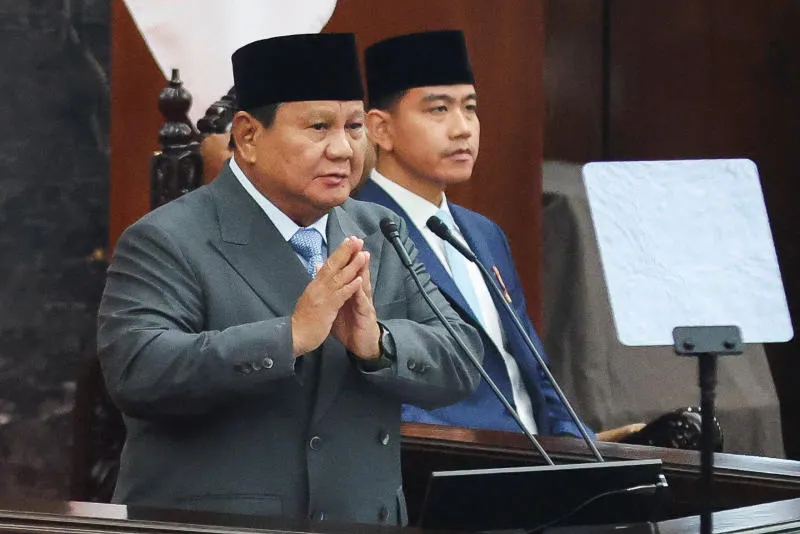
Indonesia is undertaking a massive restructuring initiative, with plans to close more than 750 state-owned enterprises (SOEs) deemed unproductive. This significant move aims to streamline operations, eliminate financial drains, and ensure that remaining state entities are profitable and contribute effectively to the nation’s economy. The initiative, described by President Joko Widodo as potentially the largest corporate restructuring globally, seeks to consolidate and revitalize the management of state assets.
Unveiling a Bloated SOE Landscape
The scale of the problem became apparent following the establishment of Indonesia’s sovereign wealth fund, the Danantara, last year. This fund was created to manage state assets more effectively. Through this process, it was discovered that the nation operated 1,074 state-owned enterprises, a number far exceeding initial expectations. President Widodo expressed surprise, stating, “I had thought there were 300 or 400 state-owned enterprises, but it turns out there are 1,074.” He further elaborated on the perceived issues, noting that these entities “sometimes operate as they please, with no sense of responsibility to the nation, to the state.”
This revelation highlighted a significant number of SOEs that were not performing optimally, with some reportedly masking losses by fabricating profits. “There are far too many unproductive state-owned enterprises, always reporting losses while claiming profits — those profits are just made up,” President Widodo remarked during a state of the nation address to parliament.
The Restructuring Process and Targets
The government has already begun to address the issue, having closed 290 SOEs to date. The ambitious target is to reduce the total number of SOEs to no more than 300 by December 31st of the current year. This means that over 750 enterprises are slated for closure. The core principle guiding this consolidation is to retain only those entities that are productive and capable of generating added value for the Indonesian people.
The strategic objective is to create a more efficient and accountable system for managing state-owned businesses. By focusing on profitability and national contribution, Indonesia aims to transform its state enterprise sector into a stronger engine for economic growth.
Financial Benefits and Cost Savings
This extensive overhaul is already yielding substantial financial benefits. The initiative has reportedly saved approximately 50 trillion rupiah (over US$2.8 billion) in overhead costs. These savings encompass a wide range of expenses, including salaries for directors and commissioners, rental costs for buildings and vehicles, and expenditures related to business travel. The government has set an even more ambitious savings target for the current year, aiming to save more than 70 trillion rupiah.
These cost reductions are a direct result of eliminating redundant operations and inefficient management within the closed SOEs. The freed-up capital can now be redirected towards more productive investments or public services, enhancing the overall economic impact of state assets.
Addressing Past Mismanagement and Future Accountability
In light of the widespread issues identified, President Widodo has proposed the establishment of a special ad hoc court. This court would be tasked with investigating the management and boards of SOEs, potentially looking back over the past 30 years. The aim is to ensure accountability for past mismanagement and financial irregularities that may have contributed to the current state of affairs.
However, alongside the push for accountability, the President also suggested a potential path for those who acknowledge wrongdoing. He asked lawmakers to consider a form of “special amnesty for those who repent.” This approach suggests a dual strategy of enforcing accountability while also offering an opportunity for reform and reconciliation for individuals willing to cooperate and correct past mistakes.
Conclusion: A Bold Step Towards Economic Efficiency
Indonesia’s decision to close over 750 state-owned enterprises marks a bold and decisive step towards improving economic efficiency and fiscal responsibility. By identifying and eliminating unproductive entities, the government aims to create a leaner, more effective state enterprise sector. The significant cost savings realized and the proposed measures for accountability underscore the seriousness of this reform effort. As Indonesia moves forward with this ambitious restructuring, the focus remains on ensuring that state assets are managed in a way that maximizes value and benefits the nation’s citizens.
