

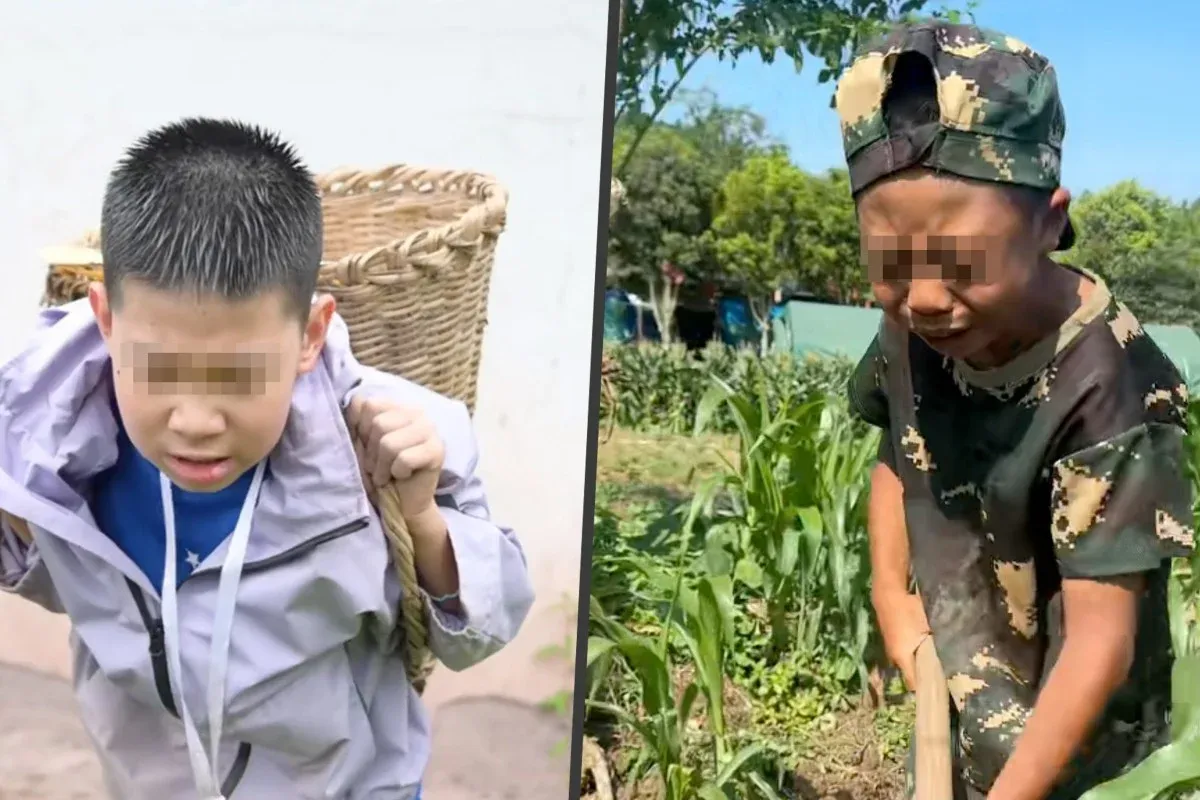
Thousands of parents in China are enrolling their children in rural “hardship camps” this summer, paying substantial fees for programs that involve manual labor, strict rules, and, in some cases, tearful children begging to go home. These camps, often situated in the cooler climates of Sichuan, Guizhou, and Yunnan provinces, promise to teach urban youth the value of hard work and the realities of manual labor. A 10-day program can cost over 4,000 yuan (approximately $600 USD), with a full month potentially exceeding 10,000 yuan.
The “Hardship Camp” Model
The daily routines at these camps are designed to mirror the life of a farmer. Children engage in tasks such as digging potatoes, which they then sell by the roadside, and caring for livestock like pigs. The curriculum is sold as an immersive experience in physical labor, aiming to provide children with a tangible understanding of effort and the worth of money. Organizers contend that these activities are within the capabilities of the children’s age groups and serve to demonstrate the true cost of labor.
Camp rules are notably stringent. Upon arrival, electronic devices like mobile phones are confiscated. The distribution of supplies is often tied to the amount of work completed, with children who fall short of daily targets sometimes receiving only potatoes for their meals. Social media has seen the circulation of videos depicting distressed children crying and pleading to be sent home. In one widely shared clip, a young boy promises to complete all his homework if he is never required to farm again.
Beyond the labor, campers are also responsible for maintaining their living spaces, making their own beds, and organizing their belongings according to camp regulations.
Parental Perspectives and Motivations
Despite the challenging conditions and emotional toll evident in some children, many parents express satisfaction with the outcomes. They view these experiences as crucial for counteracting the perceived over-indulgence and lack of resilience in children raised in urban environments. Letters written by the children to their parents, often part of the camp activities, are frequently shared and used by organizers as testimonials.
One father in Sichuan shared that his daughter, initially complaining throughout her stay, eventually found enjoyment in the farm work. Similarly, a mother from Shanghai, whose seven-year-old daughter attended a 10-day program, noted that while her child remained a picky eater and still avoided chores, the experience of leaving her comfort zone was invaluable. These parents believe that a period of hardship instills a greater appreciation for their comfortable lives and prevents them from becoming spoiled.
Divided Opinions on the Trend
The rise of these hardship camps has sparked considerable debate across China, highlighting a societal divide regarding child-rearing and the perceived needs of modern youth. Supporters champion the camps as a necessary tool for character development, arguing that exposure to manual labor and adversity builds resilience, fosters gratitude, and teaches children the value of their privileges.
Conversely, critics raise concerns about the potential negative impacts on children who have little to no prior experience with manual labor. They worry that the demanding workloads, coupled with the unfamiliar and potentially harsh environment, could lead to physical or psychological harm. The lack of experience with such work could make urban children particularly vulnerable to exhaustion or injury if the tasks are too strenuous or supervision is inadequate. The core of the criticism lies in the potential for these programs to cause distress rather than deliver the intended developmental benefits.
Conclusion: Balancing Growth and Well-being
The trend of Chinese hardship camps presents a complex dilemma for parents and society. While the intention to cultivate resilience, appreciation, and a strong work ethic in children is understandable, the methods employed raise questions about child welfare and the potential for unintended negative consequences. As more parents seek ways to ground their children in practical realities, the debate continues on whether these intensive rural experiences offer a beneficial lesson in hardship or pose an undue risk to the well-being of urban youth.
