

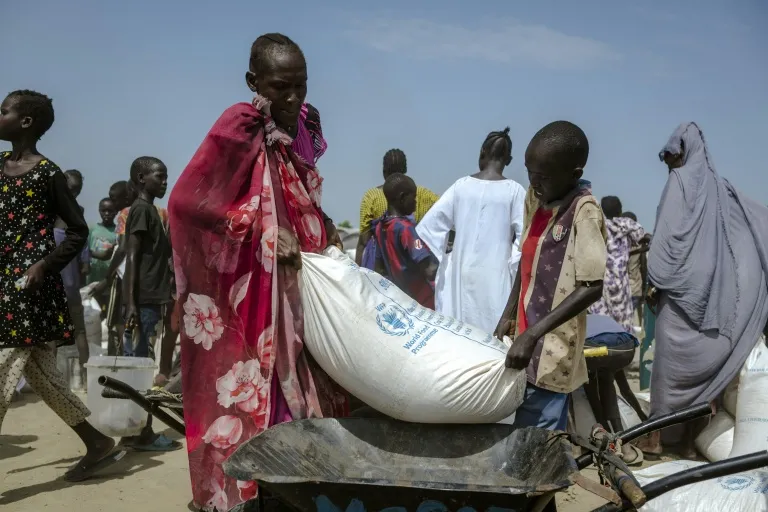
A critical global hunger crisis is intensifying, with projections indicating a significant surge in food insecurity worldwide. This escalating situation is directly linked to the ongoing conflict in the Middle East and its disruptive impact on international energy and food markets.
Soaring Oil Prices Fuel Food Insecurity
Following a series of military actions in February that triggered turmoil in global energy markets, a stark warning has emerged regarding the devastating consequences for global food security. If oil prices remain at elevated levels, an estimated 45 million more people globally are projected to face acute hunger by the end of June. This figure adds to the nearly 320 million individuals already grappling with severe food insecurity at the beginning of the year.
Weeks of protracted negotiations, marked by intense rhetoric and sporadic violence, have failed to yield a resolution to the conflict or the reopening of the Strait of Hormuz, a vital artery for oil supplies. As the conflict enters its third month, the negative projections are unfortunately materializing. The closure of the Strait is directly contributing to increased hunger, with soaring costs for essential commodities like rice and wheat.
Millions at Risk of Losing Aid
Analysis reveals that the crisis is generating significant ripple effects extending far beyond the Middle East. These impacts are being felt through shocks to fuel and food prices, income disruptions, and trade interruptions. When these factors intersect with pre-existing vulnerabilities, they rapidly translate into tangible consequences for food security and livelihoods.
In Somalia, for instance, where six million people are currently experiencing acute food insecurity, projections indicate that an additional 2.5 million individuals will be unable to afford basic foodstuffs by year’s end. The nation, situated in the volatile Horn of Africa, faces a scenario where nearly 60% of households may struggle to afford essential needs, a stark increase from 47% in the previous year.
Humanitarian System Under Strain
The current situation is shaping up to be a resurgence of the global cost of living crisis reminiscent of 2022. However, the humanitarian infrastructure that responded effectively then is now facing significant challenges due to drastic cuts in global aid funding. This is compounded by logistical hurdles and price inflation directly attributable to the Middle East conflict, placing immense strain on aid efforts globally.
The humanitarian system is experiencing a dual pressure: escalating needs coupled with rising delivery costs, leading to potential gaps in assistance. It is estimated that aid organizations will now reach 1.5 million fewer people than initially planned. If the conflict persists for six months, more than nine million individuals could lose critical assistance.
Urgent Action Required
In Somalia, a concerning scenario is unfolding where aid agencies risk a severe shortage of food for distribution in the coming months. A breakdown in the supply chain is anticipated, meaning no food will be available for distribution. The most vulnerable populations, particularly children under the age of five, will bear the brunt of this crisis. The risk of famine in at least one Somali district is a grave concern, underscoring the urgent need for immediate attention.
With no immediate end to the Middle East conflict in sight, the global food security situation is poised to worsen. Furthermore, the impact of this war is not the sole concern. A high probability of an El Nino event potentially exacerbating climate instability looms, threatening further disruption to food markets and increasing the need for humanitarian assistance heading into future years.
