

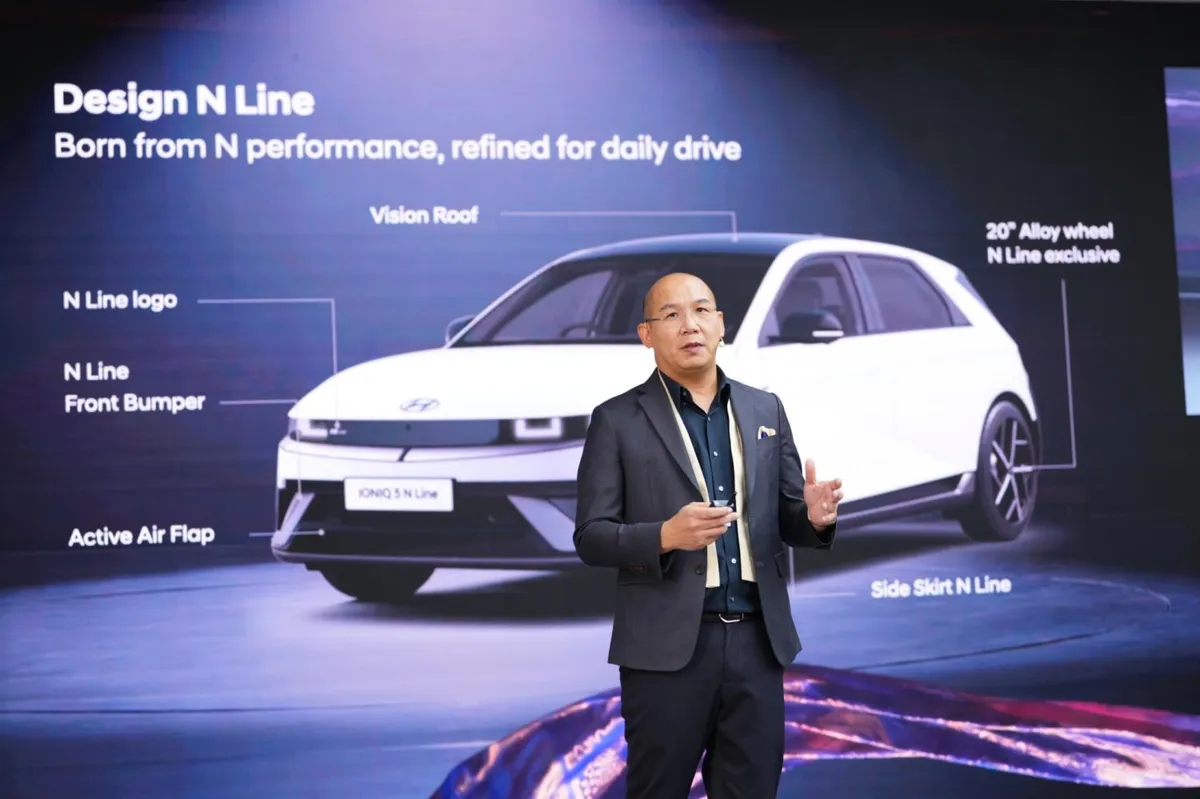
Hyundai Motor is poised to begin exporting its battery electric vehicles (BEVs) manufactured in Thailand to the Australian market, a significant step that underscores Thailand’s expanding role in the global electric vehicle (EV) supply chain. This strategic move also positions Australia as a crucial destination for the company’s international growth initiatives.
Navigating Australian Import Regulations
The expansion into Australia requires careful consideration of the country’s stringent import regulations. Hyundai’s Managing Director, Wallop Chalermvongsavej, indicated that the company is actively evaluating suitable vehicle models for the Australian market. A key focus of this evaluation is compliance with the New Vehicle Efficiency Standard (NVES). This standard imposes strict limits on the average carbon dioxide emissions for new passenger cars, SUVs, and light commercial vehicles sold in Australia.
Beyond emissions standards, Australia mandates that automakers obtain specific import approval before shipping vehicles. This pre-approval process is a critical component of Hyundai’s export strategy, necessitating meticulous planning and adherence to regulatory requirements.
Thailand’s EV Manufacturing Hub
Hyundai’s manufacturing operations in Thailand are central to this export plan. The Thai plant boasts an annual production capacity of 5,000 units and is complemented by an integrated battery manufacturing facility. This combined infrastructure represents a substantial investment of 1 billion Thai baht.
The development has been significantly supported by incentives provided by the Board of Investment (BOI) under Thailand’s EV3.5 scheme. This initiative, running from 2024 to 2027, aims to stimulate investment in BEV assembly plants by offering tax concessions and financial subsidies to automotive manufacturers.
Key Requirements of the EV3.5 Scheme
The EV3.5 scheme includes specific conditions designed to foster local EV production. A crucial requirement is the maintenance of a production-to-import ratio. Participating automakers must produce a certain number of BEVs locally for every vehicle imported. Initially, between 2024 and 2025, this ratio is set at two locally produced BEVs for every one imported. This ratio is scheduled to increase to three-to-one by 2027, further encouraging domestic manufacturing capabilities.
Local Production and Sales Targets
Hyundai has recently launched the Ioniq 5 BEV, produced locally in Thailand, as its inaugural model for the domestic market. The company aims to manufacture approximately 100 units of the Ioniq 5 per month. To meet the stringent requirements of the EV3.5 scheme, Hyundai plans to offset the import of 800 vehicles this year through its local production efforts, as stated by Mr. Wallop.
The company is also making strides in localizing its supply chain. Currently, 46% of the component costs for EVs produced at the Thai plant are sourced locally. This figure comfortably exceeds the government’s minimum requirement of 40%, demonstrating Hyundai’s commitment to building a robust local EV ecosystem.
For the current year, Hyundai has set an ambitious sales target of 2,800 Ioniq 5 units in Thailand, an increase from the 2,300 units sold the previous year. To support this growth and enhance customer experience, the company plans to expand its service network, aiming for a total of 28 showrooms nationwide.
Economic Outlook and Consumer Confidence
Looking beyond the automotive sector, Mr. Wallop expressed a positive outlook for the Thai economy in the latter half of 2026. He cited several contributing factors, including proactive government stimulus measures, consistent inflows of foreign capital, and resilient corporate earnings performance.
The broader economic sentiment is also reflected in the stock market. The Stock Exchange of Thailand (SET) index has recently surpassed the 1,600-point mark, a notable increase from its previous level of 1,300 points last year. This upward trend in the market has, in turn, bolstered consumer confidence, particularly within the premium car segment, which is expected to benefit Hyundai’s sales strategy.
The strategic decision by Hyundai to export Thai-manufactured EVs to Australia signifies a growing synergy between Thailand’s manufacturing capabilities and international market demands. It highlights the effectiveness of government incentives in fostering advanced industries and positions the nation as a key player in the evolving landscape of global electric mobility.
