

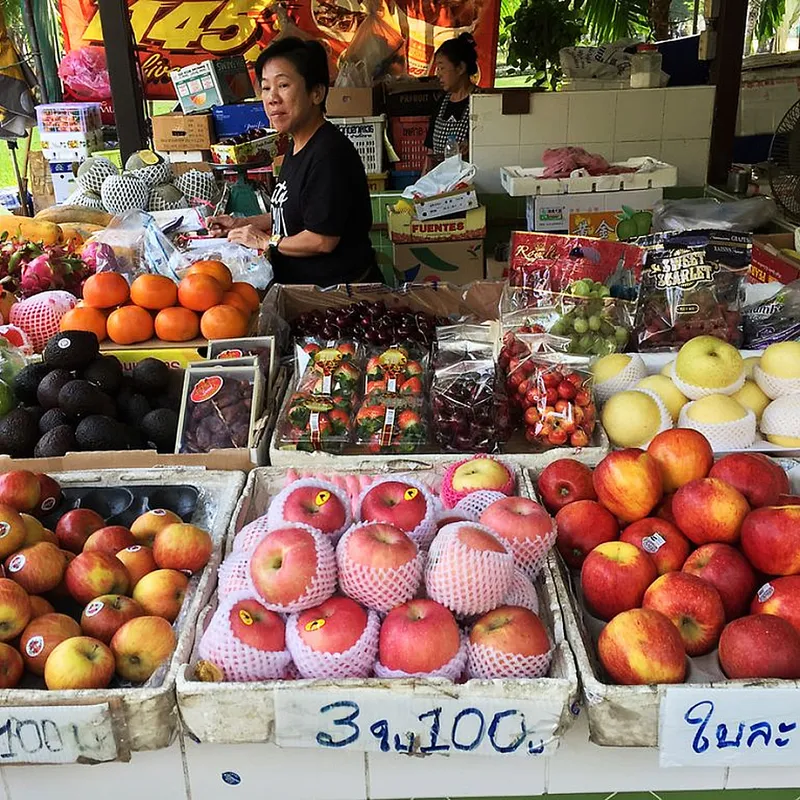
Street food carts in Bangkok represent more than just affordable meals; they form a vital social hub where office workers and motorcycle taxi drivers share the same low-cost lunches. Sidewalks serve as lively communal spaces amid their usual congestion.
Improving Pedestrian Access
Clearing sidewalks enhances navigation, especially for the elderly and people with disabilities. Authorities emphasize that relocating carts creates better accessibility while preserving the vibrant food culture.
Lumphini Park Hawker Centre Launches
The Bangkok Metropolitan Administration opened a new hawker centre near Lumphini Park in April. It features around 130 stalls operating in morning and evening shifts at a low daily rental of about 60 baht per stall. This affordable rate supports vendors transitioning from street operations.
Vendors report greater financial stability without informal fees or surprise costs. A noodle seller operating near the park since 2004 describes the move as a significant improvement, citing reliable water, electricity, and shelter from extreme heat.
The administration partners with LINE MAN to provide payment systems and online sales channels, boosting vendor success in the relocation.
Governor’s Vision for Food and Economy
Governor Chadchart views the initiative as a way to organize vendors, ensure food affordability, bolster the grassroots economy, and define Bangkok’s identity. The centre maintains the same affordable food from familiar vendors, now with proper roofing and drainage.
Plans call for expanding the hawker centre model across Bangkok, shifting more vendors from unstable street spots to secure locations. This approach mirrors Singapore’s long-standing balance of street food heritage and urban order, proving carts can thrive in structured settings.
