

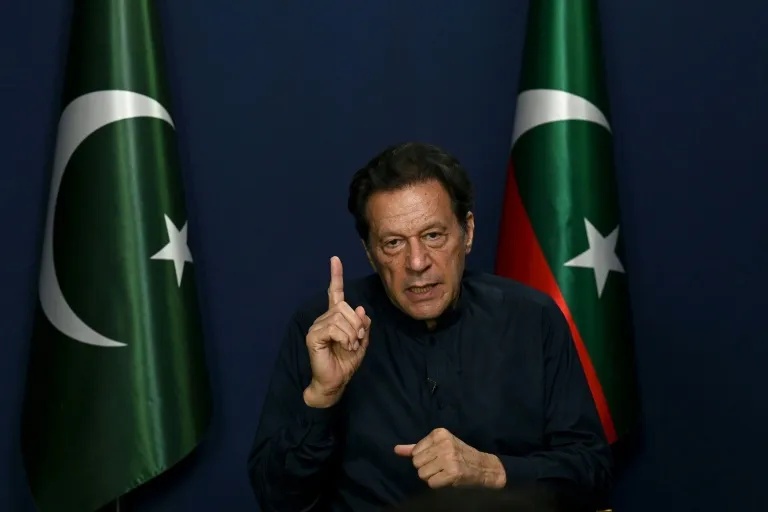
A Pakistani court has ordered the transfer of former Prime Minister Imran Khan from jail to a hospital in the capital, Islamabad. The directive, issued by Justice Shahid Waheed, mandates that the 73-year-old politician be moved within the next two days to Shifa International Hospital. Khan has been incarcerated since 2023, serving a sentence related to corruption charges.
Background on Khan’s Incarceration and Health Concerns
Imran Khan, along with his wife Bushra Bibi, was convicted late last year and sentenced to 17 years in prison. The specific details of the health issues cited in the petition by Khan’s legal team were not immediately made public. However, reports from earlier this year indicated that Khan had undergone eye treatment in a hospital, with his family and lawyer expressing concerns that he had lost significant vision in his right eye.
Political Reaction and Public Appeal
Salman Akram Raja, the secretary general of Khan’s Pakistan Tehreek-e-Insaf (PTI) party, described the court’s decision as a “major step” and a “great blessing” in comments made to reporters outside the courthouse. A video shared on social media platforms captured his remarks. Raja urged supporters of the former cricket star, who remains a prominent figure in Pakistani politics, to adhere to the party’s agreement with the court. This agreement emphasizes the need to avoid any “crowding or commotion” around the hospital during Khan’s transfer.
Imran Khan’s Political Career and Legal Battles
Imran Khan served as Pakistan’s Prime Minister from 2018 until his removal through a no-confidence vote in 2022. His premiership concluded amidst a political crisis marked by tensions between his administration and the country’s influential military establishment. Since leaving office, Khan has faced numerous legal challenges, including charges of corruption and other offenses. He and the PTI consistently maintain that these legal proceedings are politically motivated.
Khan’s arrest in May 2023 ignited widespread protests across Pakistan, some of which escalated into violence, resulting in hundreds of arrests. His political journey began after a distinguished career in cricket, where he captained Pakistan to victory in the 1992 Cricket World Cup. He rose to prominence by challenging the long-standing dominance of dynastic political parties, advocating for a national welfare state inspired by the Islamic Golden Age (7th to 14th centuries). Despite his vision for reform, his PTI government struggled to improve Pakistan’s economic standing, facing challenges such as high inflation, substantial national debt, and a weakening currency, which hampered economic reform efforts.
Conclusion
The court’s order to transfer Imran Khan to a hospital signifies a significant development in the ongoing legal and political landscape of Pakistan. The focus now shifts to his health status and the implications of his temporary move from jail, while his party calls for calm among his supporters. The situation underscores the continued political relevance of the former Prime Minister and the complex legal challenges he faces.
