

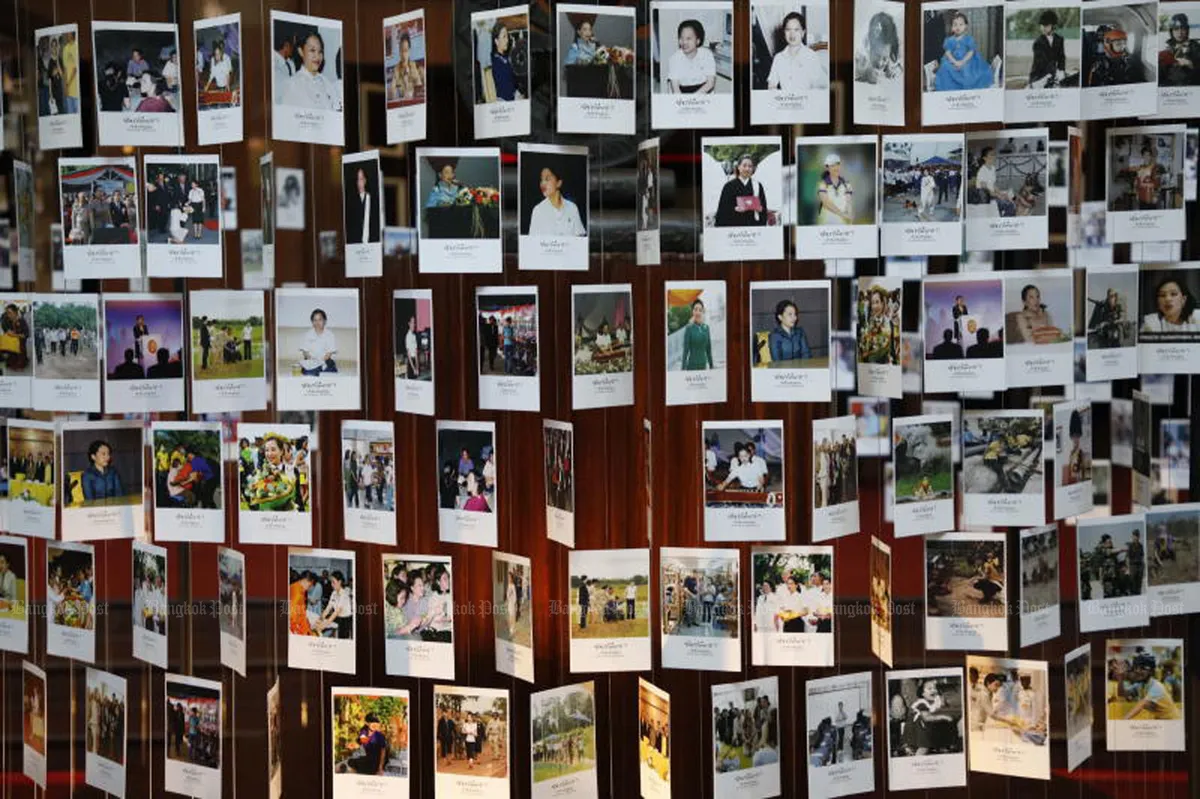
A special event held at the United Nations building recently honored the significant contributions of a late princess to the global justice system. The commemoration focused on her dedicated advocacy for the rights and well-being of women and girls, with a particular emphasis on improving the lives of women within correctional facilities. This initiative underscored her enduring impact on legal reform and human rights.
A Lasting Legacy in Women’s Rights and Justice
Janelle Weissman, the officer-in-charge for UN Women Asia and the Pacific, spoke about the profound and lasting legacy the princess established through her tireless efforts. Her work aimed to uplift the lives of women and girls, champion the eradication of violence against women, and significantly improve the conditions for women in prisons. Weissman highlighted the critical principle of inclusivity, stating, “It has been incredibly powerful and important to ‘leave no one behind’, including those in prisons.”
Weissman further elaborated on the princess’s impactful leadership, noting, “Her leadership in promoting the elimination of all violence against women and girls was especially impactful.” The princess’s influence extended beyond advocacy; she actively served as a spokesperson for global United Nations campaigns, played a key role in shaping more equitable laws within Thailand, and initiated transformative changes that resonated worldwide. Her efforts were instrumental in positioning Thailand as a leading example in safeguarding the rights of women and girls, particularly those who are incarcerated.
The Bangkok Rules: A Global Standard for Women Prisoners
Phiset Sa-ardyen, the executive director of the Thailand Institute of Justice (TIJ), emphasized the groundbreaking nature of the princess’s work, particularly the “Bangkok Rules.” These rules have elevated international standards for the protection and humane treatment of women prisoners. Beyond improving their immediate conditions, the Bangkok Rules also focus on ensuring that incarcerated women have opportunities to rebuild their lives upon release.
The TIJ, in collaboration with the UN Office on Drugs and Crime (UNODC), is committed to advancing the implementation of the Bangkok Rules. This ongoing work includes integrating the lived experiences of formerly incarcerated women who are now engaged in social initiatives. Sa-ardyen remarked on the princess’s ability to humanize the justice discourse: “She helped shift the discourse by bringing a ‘human face’ into the discussion. Previously, the system was viewed mostly through legal perspectives and institutions.” He added, “She was forward-thinking, introducing ideas 10 to 15 years ahead of their time and emphasising that justice services should be designed around people’s needs.”
Championing the Rule of Law and International Standards
Delphine Schantz, the UNODC regional representative for Southeast Asia and the Pacific, recognized the princess’s pivotal role as the UNODC’s Goodwill Ambassador for the Rule of Law. In this capacity, she was instrumental in translating policy concepts into concrete international standards, most notably through the development and promotion of the Bangkok Rules. Schantz observed the princess’s deep understanding of the unique needs of women within the justice system, stating, “She understood that women require different treatment and paved the way for other member states to adopt similar practices.”
Key Contributions and Impact:
- Advocacy for the rights and well-being of women and girls globally.
- Significant improvements in the conditions and treatment of women in prisons.
- Development and promotion of the “Bangkok Rules” (UN Standard Minimum Rules for the Treatment of Women Prisoners).
- Serving as a spokesperson for international UN campaigns against violence.
- Influencing legal reforms in Thailand and inspiring global policy changes.
- Positioning Thailand as a model for women’s rights and justice.
- Humanizing the justice system by focusing on individual needs and experiences.
Conclusion: A Vision for a More Just Future
The commemorative event served as a powerful reminder of the late princess’s visionary approach to justice reform. Her work transcended traditional legal frameworks, embedding a human-centered perspective that prioritized the needs and dignity of all individuals, especially vulnerable women and girls. The ongoing commitment by organizations like the TIJ and UNODC to implement the Bangkok Rules ensures that her legacy will continue to inspire and drive positive change in correctional systems worldwide, fostering a more equitable and compassionate approach to justice.
