

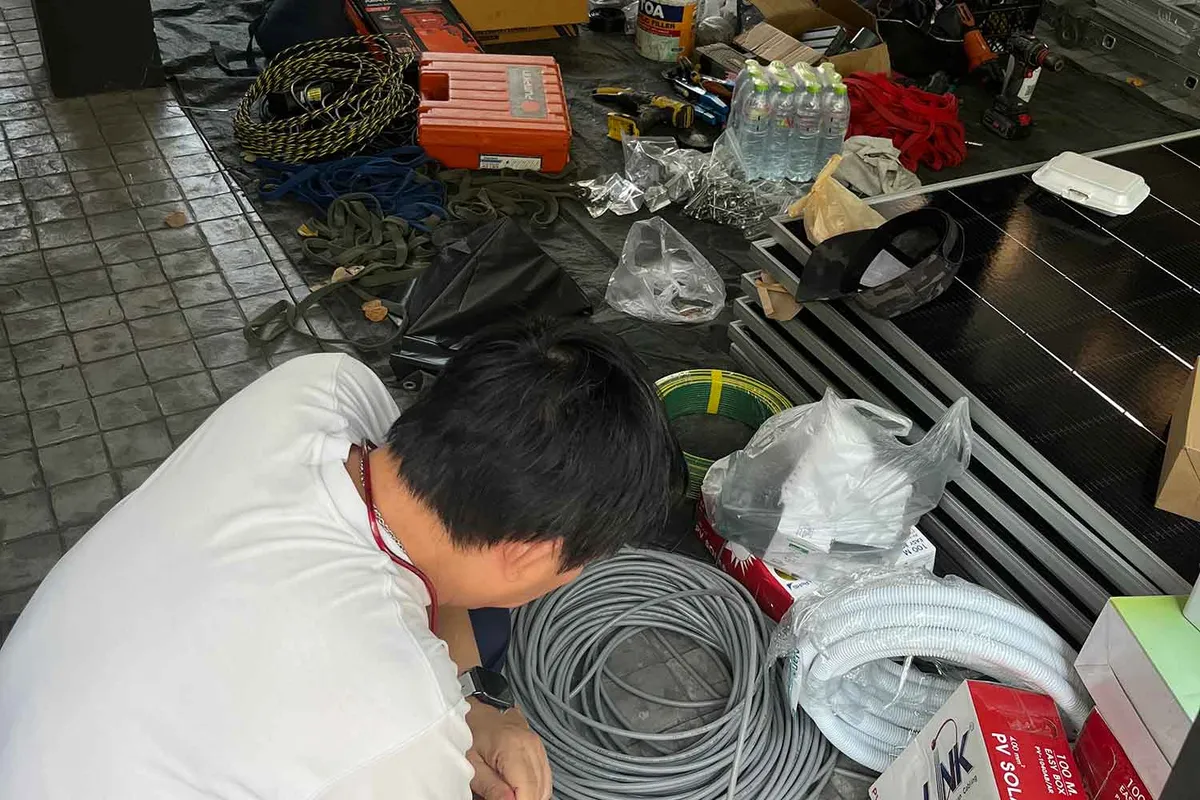
Households in Thailand can now sell surplus electricity generated from their rooftop solar panels back to the grid, marking a significant step towards promoting renewable energy and reducing electricity costs. This new initiative allows individuals to become active participants in the nation’s energy landscape.
New Scheme for Rooftop Solar Power Sales
A government initiative has been launched, enabling homeowners to sell excess solar power generated from their rooftop installations. This program aims to incentivize the adoption of solar energy by providing a financial return for the electricity that is not consumed on-site.
Eligibility and Application Process
Residents in Bangkok, Nonthaburi, and Samut Prakan can submit their applications through the Metropolitan Electricity Authority’s website. For those residing in other provinces, applications can be made via the Provincial Electricity Authority’s website. The application process is designed to be straightforward, allowing interested households to easily register their participation.
Key Application Steps:
- Online application submission through the relevant electricity authority’s website.
- Verification of applicant qualifications by the state-run power enterprises.
- Announcement of qualified applicants.
- Signing of power purchase contracts.
- System checks and final power purchase connection.
Financial Incentives and Benefits
Under this scheme, both the Metropolitan Electricity Authority and the Provincial Electricity Authority will purchase excess solar power at a rate of 2.20 baht per unit. This purchase agreement will be in effect for a period of 10 years, offering a stable and predictable income stream for participating households. Each approved household will be permitted to sell up to five kilowatts per meter of installed capacity.
This program offers a dual benefit: it directly helps households reduce their electricity bills by offsetting consumption with self-generated solar power, and it provides an additional financial incentive by allowing them to earn money from their surplus energy. Furthermore, by encouraging the use of solar energy, the initiative contributes to the generation of clean, renewable energy, aligning with national environmental goals.
Broader Impact on Energy Landscape
The introduction of this rooftop solar power selling scheme is expected to accelerate the adoption of solar technology across the country. By making solar power generation more financially attractive, it empowers individuals to take a more active role in their energy consumption and production. This decentralized approach to energy generation can enhance grid stability and reduce reliance on traditional fossil fuels.
The government’s commitment to promoting clean energy is evident in this forward-thinking policy. It not only supports individual households but also contributes to Thailand’s broader objectives of energy security and environmental sustainability. As more homeowners participate, the collective impact of distributed solar generation will grow, fostering a greener and more resilient energy future for the nation.
Conclusion
The opportunity for householders to sell excess rooftop solar power represents a significant advancement in Thailand’s renewable energy strategy. With clear application procedures and attractive financial terms, this scheme is poised to encourage wider adoption of solar technology, benefiting both individual consumers and the environment. The 10-year purchase agreement at 2.20 baht per unit provides a strong incentive for investment in rooftop solar systems, paving the way for a more sustainable energy future.
