

A 43-year-old man has been arrested for a second time in connection with a disturbing video showing him tampering with food items at a popular sushi restaurant chain. Yuta Shinnishi, an unemployed resident of Saitama Prefecture, was taken into custody following allegations that he touched a soy sauce bottle’s spout at a Hama-sushi outlet on June 28 and subsequently shared footage of the act on social media. This latest incident occurred just days after Shinnishi was fined 500,000 yen (approximately US$3,000) for similar disruptive behavior at another branch of the same restaurant.
Repeat Offender’s Latest Arrest
The recent arrest stems from an incident where Shinnishi allegedly filmed himself interacting inappropriately with a soy sauce dispenser at a Hama-sushi restaurant in Saitama. The video, posted online on June 29, quickly drew attention and led to a flood of complaints directed at the sushi chain operator. Authorities apprehended Shinnishi based on the evidence and the ensuing public outcry.
According to police reports, Shinnishi admitted to wanting the video to gain more online attention. However, he reportedly partially denied the allegations, stating he was unsure if his fingers actually made contact with the soy sauce bottle’s spout. The restaurant chain’s operator discovered the video on Shinnishi’s social media account and promptly alerted the police, initiating the investigation that led to his arrest.
Restaurant’s Response and Previous Offense
In the wake of the latest incident, all soy sauce bottles at the affected Saitama restaurant were immediately replaced. A spokesperson for the chain expressed deep dismay over the recurrence of such behavior, particularly given the short timeframe since the previous offense. “We feel deeply upset that an incident like this occurred again in such a short period of time,” the spokesperson stated.
The prior incident, which resulted in Shinnishi’s substantial fine, involved him pouring a liquid from a detergent bottle onto a plate of sushi at a different Hama-sushi location. This act of vandalism occurred on June 2. Following legal proceedings, a summary court ordered Shinnishi to pay the 500,000 yen fine on June 23, just five days before the alleged soy sauce tampering incident.
The Growing Problem of “Food Terror” Videos
Shinnishi’s actions highlight a disturbing trend in Japan and other parts of the world, often referred to as “food terror” or “nuisance videos.” These incidents involve individuals intentionally contaminating or mishandling food in restaurants, then posting the footage online, typically to gain notoriety or viral attention. Such acts not only disrupt business operations but also raise serious public health concerns and erode consumer trust.
Motivations Behind Nuisance Videos
The primary motivation cited by perpetrators, including Shinnishi, is often the pursuit of online fame and engagement. Social media platforms can amplify these acts, leading to widespread sharing and discussion, which in turn can reward the individuals responsible with increased followers and online visibility. This creates a perverse incentive for disruptive and potentially harmful behavior.
Experts suggest that the desire for attention, coupled with a lack of understanding or disregard for the consequences, drives these individuals. In some cases, there may be underlying psychological factors at play, such as a need for validation or a desire to provoke a reaction. The ease with which videos can be shared globally means that even a small act of vandalism can have far-reaching repercussions for the targeted businesses.
Impact on Restaurants and Consumers
For restaurant businesses, especially those operating on thin margins like many sushi chains, these incidents can be devastating. Beyond the immediate costs of replacing contaminated food and cleaning premises, there are significant reputational damages to contend with. Customers may become hesitant to dine at establishments that have been targeted, fearing for their safety and hygiene standards. This can lead to a sharp decline in revenue and, in severe cases, business closure.
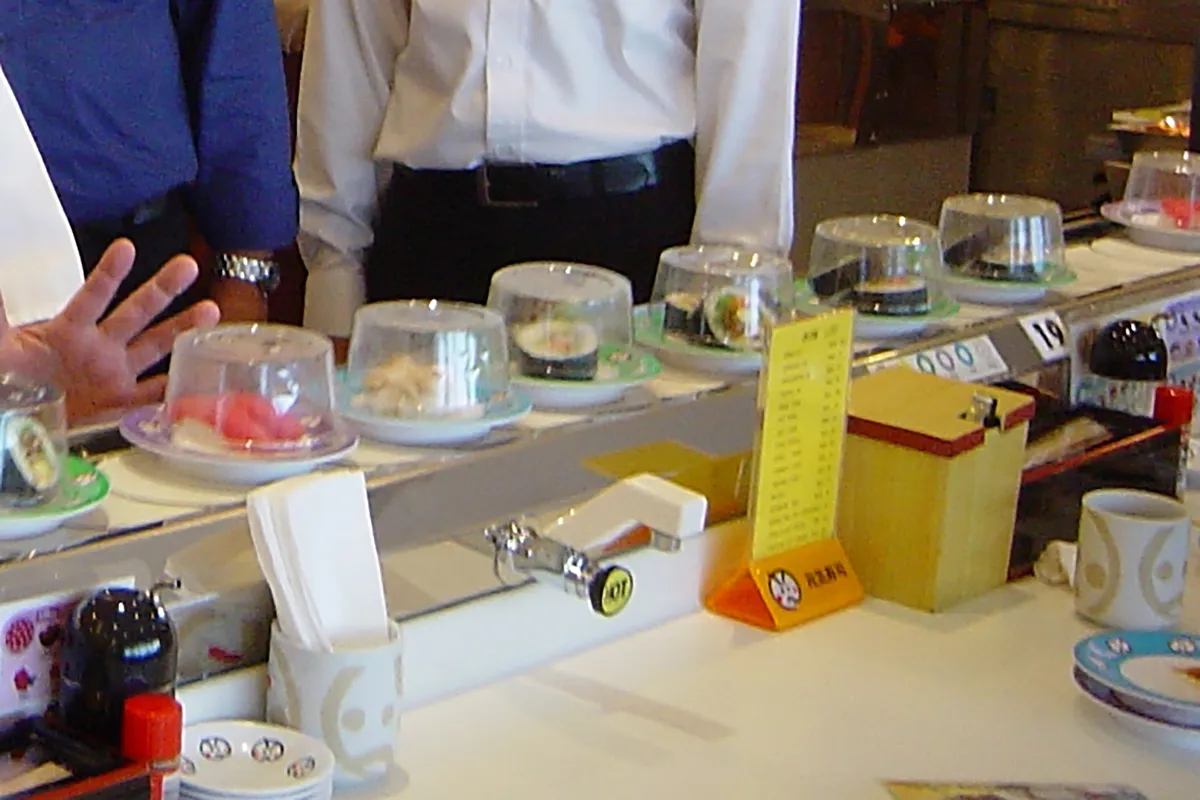
The sushi restaurant industry, with its emphasis on fresh ingredients and visible food preparation, is particularly vulnerable. The visual nature of conveyer belt sushi, while appealing to customers, also makes it easier for such acts to be captured on video and spread rapidly online. The industry has had to implement stricter hygiene protocols and surveillance measures to combat this growing threat.
Legal Repercussions and Deterrence
The legal consequences for engaging in such behavior are becoming increasingly severe. Shinnishi’s hefty fine and subsequent arrest signal a tougher stance by authorities. In Japan, laws related to defamation, property damage, and public nuisance can be applied to these cases. The aim is not only to punish the offenders but also to deter others from engaging in similar acts.
Beyond fines, there is growing discussion about imposing longer prison sentences for individuals who cause significant harm or disruption through these videos. The goal is to ensure that the punishment adequately reflects the damage caused to businesses, public trust, and potentially public health. The swift action taken by police in Shinnishi’s case, leading to a second arrest shortly after his initial penalty, underscores the seriousness with which these offenses are now being treated.
Conclusion: A Call for Responsibility
The repeated offense by Yuta Shinnishi serves as a stark reminder of the ongoing challenge posed by nuisance videos in the food service industry. While the desire for online attention is understandable in the digital age, the methods employed by individuals like Shinnishi are unacceptable and carry significant consequences. Restaurants are investing in enhanced safety measures, and legal frameworks are evolving to address this issue. Ultimately, a greater sense of personal responsibility and awareness of the impact of one’s actions is crucial to prevent future occurrences and maintain public confidence in the food industry.
