

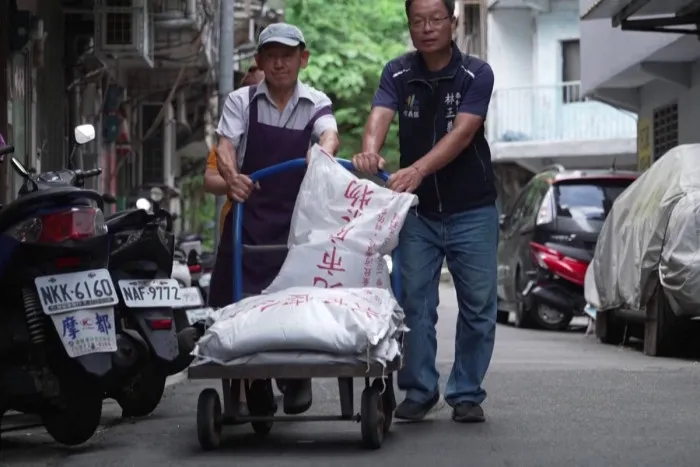
Taiwan is bracing for significant weather impacts as Typhoon Bavi intensifies and approaches the island. Authorities have begun distributing essential supplies, such as sandbags, to residents in vulnerable areas, including Taipei, in anticipation of torrential rainfall, powerful winds, and potential flooding. The typhoon’s approach signals a period of heightened alert and preparedness across the region.
Typhoon Bavi’s Projected Path and Intensity
Typhoon Bavi, a powerful tropical cyclone, has been tracking towards Taiwan, with meteorologists closely monitoring its development. The storm is expected to bring a substantial amount of precipitation and sustained high winds, posing risks to infrastructure and public safety. Current forecasts indicate that the typhoon’s core will bring the most severe conditions, but its outer bands could also deliver considerable rainfall and gusts across a wider area.
Government and Local Preparedness Measures
In response to the impending threat, government agencies and local municipalities are implementing a series of precautionary measures. The distribution of sandbags is a critical step in mitigating flood damage, particularly in low-lying areas and urban centers prone to water accumulation. Emergency services are on standby, and public advisories are being issued to encourage residents to secure their properties, stay informed about weather updates, and avoid unnecessary travel during the storm’s passage.
Key preparedness actions include:
- Sandbag Distribution: Providing materials to residents to reinforce homes and businesses against potential flooding.
- Emergency Service Readiness: Ensuring that police, fire departments, and medical services are prepared to respond to emergencies.
- Public Information Campaigns: Disseminating timely weather alerts and safety guidelines through various media channels.
- Infrastructure Checks: Inspecting drainage systems, power grids, and transportation networks to identify and address potential vulnerabilities.
Potential Impacts of Typhoon Bavi
The primary concerns associated with Typhoon Bavi are the heavy rainfall and strong winds. Torrential downpours can lead to flash floods, landslides in mountainous regions, and disruption of transportation networks due to inundated roads and potential bridge closures. The violent winds pose a threat to buildings, power lines, and trees, increasing the risk of power outages and falling debris. Coastal areas may also experience storm surges, further exacerbating flood risks.
Rainfall Forecasts
Meteorological agencies are predicting significant accumulations of rain over a 24- to 48-hour period. The intensity of the rainfall could overwhelm drainage systems, especially in urban environments like Taipei, where impervious surfaces are widespread. Residents are advised to monitor river levels and be aware of potential flash flood warnings.
Wind Speeds
Sustained wind speeds are expected to be considerable, with gusts potentially reaching dangerous levels. These winds can cause widespread damage, making outdoor activities hazardous and necessitating the securing of loose objects. Power outages are a common consequence of strong typhoon winds due to damage to transmission lines and substations.
Flooding Risks
The combination of heavy rain and potential storm surges creates a significant risk of flooding. Both inland and coastal areas are susceptible. Emergency management officials are coordinating efforts to evacuate residents from high-risk zones if necessary and to provide temporary shelter for those displaced by the storm.
Lessons from Past Typhoons
Taiwan has a history of experiencing powerful typhoons, and lessons learned from previous events are informing current preparedness strategies. The island’s robust infrastructure, including advanced flood control systems and early warning mechanisms, plays a crucial role in mitigating the impact of such natural disasters. However, the unpredictable nature of weather systems means that vigilance and proactive measures remain paramount.
Staying Informed and Safe
As Typhoon Bavi approaches, residents are urged to stay informed through official weather channels and local government announcements. It is advisable to:
- Secure outdoor items that could be blown away by strong winds.
- Prepare an emergency kit with essentials such as water, non-perishable food, a flashlight, batteries, and a first-aid kit.
- Have a plan for communication with family members in case of power or network outages.
- Follow evacuation orders immediately if issued by authorities.
- Avoid driving or walking through flooded areas, as water depth and current strength can be deceptive and dangerous.
The collective efforts of government agencies, emergency responders, and the public are essential in navigating the challenges posed by Typhoon Bavi and ensuring the safety and well-being of all residents.
