

New Welfare Card Criteria Ignite Controversy
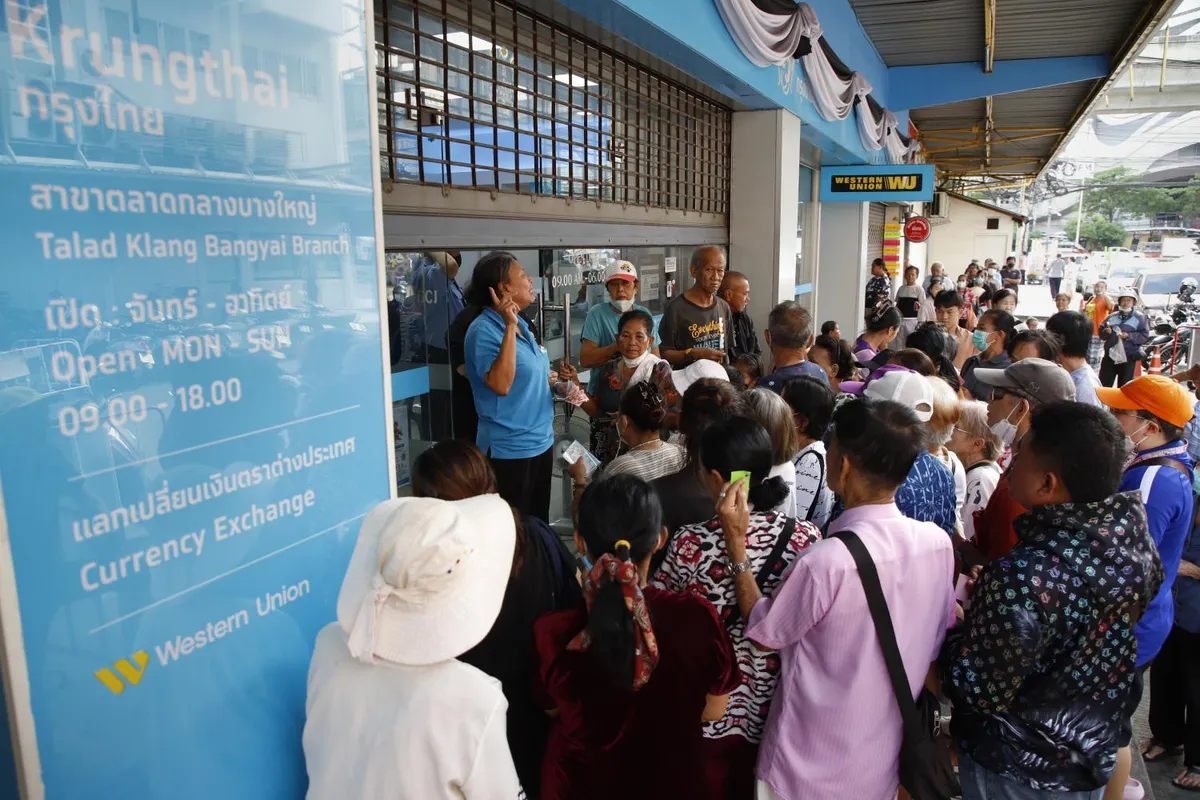
A recent overhaul of the state welfare card program has triggered significant public criticism, prompting a response from government officials. The revised criteria, which link parental tax deductions to welfare eligibility, have been met with a backlash from citizens concerned about the program’s restrictiveness.
Government Acknowledges Unforeseen Issues
Prime Minister Anutin Charnvirakul acknowledged that the current situation was not fully anticipated by the government. However, he confirmed that no changes would be made to the ongoing round of welfare card screening, as the registration process has already concluded. Feedback gathered from this iteration will be used to refine future program implementations.
Addressing concerns about the potentially prohibitive nature of the new rules, Mr. Charnvirakul stated that complex programs serving approximately 30 million people inevitably encounter both satisfied and dissatisfied participants. “We will collect feedback and, where shortcomings arise from matters we had not fully anticipated, we will make improvements,” he said. He also emphasized that this is not the sole economic stimulus measure the government plans, with further public benefit initiatives to be introduced.
Despite the criticisms, the Prime Minister stressed that the current criteria would remain in effect for this round due to the advanced stage of the process and the closure of new registrations. He indicated that while he had not personally encountered complaints during community visits, the government is committed to enhancing the scheme to ensure welfare benefits effectively reach those most in need.
Focus on Genuine Hardship
Deputy Prime Minister and Finance Minister Ekniti Nitithanprapas confirmed that the Ministry of Finance is actively reviewing the concerns raised. He reiterated that the primary objective of the welfare card scheme is to identify and support individuals experiencing genuine hardship.
“The key priority is helping people who are truly in hardship, particularly those who have been left outside the welfare system for many years,” Mr. Nitithanprapas stated. To achieve this, the Finance Ministry has requested the Interior Ministry to conduct surveys aimed at identifying vulnerable groups currently not benefiting from the program.
Shifting Screening Methodology
Finance Ministry spokesman Vinit Visessuvanapoom elaborated on the screening process for the 2026 state welfare card program, which commenced registration and eligibility confirmation yesterday. He explained that the latest reforms do not alter the fundamental eligibility rules but shift the screening methodology from assessing household income to evaluating individuals. This change is intended to provide a more accurate identification of low-income and vulnerable citizens.
Regarding the connection to parental tax deductions, Mr. Visessuvanapoom clarified that the principle is based on the presence of a recognized caregiver. When a child claims a tax deduction for parental support, this information is considered relevant for welfare eligibility assessment. However, he acknowledged that discrepancies may arise in certain cases, such as when parents are unaware their names are being used for tax deductions or do not receive financial support. In such instances, the ministry is prepared to consider appeals and additional evidence.
“There is no intention to deprive genuinely vulnerable people of assistance,” Mr. Visessuvanapoom assured. “Our objective is to ensure support reaches those facing the greatest hardship first.”
Program Timeline and Appeals Process
Existing welfare cardholders are required to reconfirm their eligibility under the updated criteria between June 4 and June 21. The results of the screening are scheduled to be announced on July 17, with provisions for unsuccessful applicants to lodge appeals. Benefits under the program are set to commence on August 1.
The government estimates that approximately 13 million individuals currently hold state welfare cards.
