

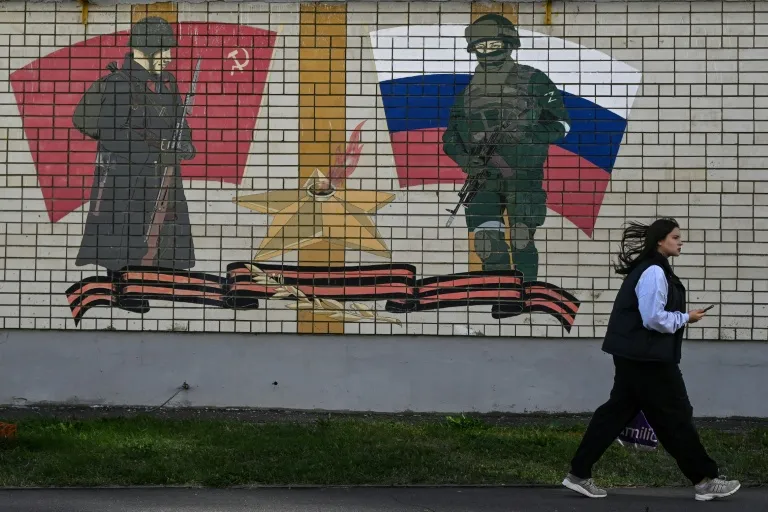
In the Russian city of Tambov, approximately 500 kilometers (300 miles) southeast of Moscow, an atmosphere of quietude often prevails, seemingly detached from the ongoing conflict in Ukraine. This city of around 250,000 inhabitants, characterized by its preserved 19th-century architecture and Soviet-era buildings, presents a facade of normalcy. However, this tranquility was starkly disrupted on a July night when a Ukrainian drone struck a warehouse belonging to the major online retailer Wildberries on the outskirts of the city. The attack resulted in seven fatalities and 25 injuries. A subsequent drone strike a month later completely obliterated the facility, which had once employed approximately 5,000 people.
Tambov Prepares for Elections Amidst War’s Shadow
Despite the palpable impact of the conflict, the upcoming September 18-20 elections in Tambov are viewed by many residents as a significant civic duty. While the outcome, with President Vladimir Putin’s United Russia party widely expected to secure a substantial majority, appears predetermined, the act of voting holds deep importance for many. For Diana, an 18-year-old student, the election represents a critical juncture. “It’s essential to go and vote, because the future, I believe, depends on us,” she stated, echoing a sentiment shared by others.
Daria, a 35-year-old manicurist, emphasized the importance of electoral choice. “It’s very important to choose the right party, to cast your vote, not to ignore this moment,” she remarked. Daria expressed her support for the Yabloko party, citing their opposition to military action. Although Yabloko has been barred from national-level participation, they are fielding candidates in various constituencies across Russia. Their chances against the dominant United Russia party and other pro-war factions are slim, as United Russia is poised to maintain its parliamentary majority, with the remaining seats likely to be distributed among other parties that support the ongoing military operations.
Voter Perspectives and Political Stances
The political landscape in Tambov reflects a spectrum of views on the conflict. Vladimir Vinogradov, a 76-year-old resident, acknowledged the prevailing support for United Russia but affirmed his intention to vote against them. He plans to cast his ballot for the Communist Party, which officially backs the military offensive in Ukraine. Andrei Zhidkov, a 64-year-old candidate for the Communist Party in Tambov, articulated his opposition to peace negotiations with Kyiv. “Victory… means survival, the survival of the state,” Zhidkov stated, positioned in front of a bust of Vladimir Lenin and a red flag. He further elaborated, “Any war ends in peace. But peace proposals during a war are always a dangerous path. That’s why we are a fighting party.” Zhidkov noted that several local Communist Party members are currently engaged in combat in Ukraine, with six having lost their lives in the conflict.
The Perilous Nature of ‘Peace’ in the Current Climate
In contrast, Yana Zenkina, a 32-year-old candidate for Yabloko, stands as a vocal advocate for an end to Russia’s military engagement. Her campaign office features a poster with a quote from the renowned Soviet rock band Kino: “Our hearts demand changes.” Zenkina has encountered significant obstacles, with her campaign videos being disqualified from local television broadcasts. Election officials and the television station cited “signs of an extremist nature” as the reason for the ban.
“The word ‘peace’ is considered offensive, dangerous,” Zenkina shared, a hint of a smile playing on her lips. Despite these challenges, she reported experiencing “enormous support from young people and even from the older population.” Zenkina believes many citizens are weary of the protracted conflict, now entering its fifth year. “People are tired,” she observed. “It’s a heavy burden, economically and socially. Everyone is already exhausted, and naturally, they want to live in calm, in peace, to be safe.”
Economic Repercussions and Employment Shifts
The Russian economy has faced stagnation over the past year. Ukrainian attacks targeting oil refineries have led to nationwide fuel shortages and increased prices, exacerbating economic pressures on the populace. The Yabloko party, previously banned at the national level, saw a surge in membership and garnered support from exiled Russian opposition figures, who are now designated as traitors and enemies of the state within Russia.
Across Tambov, electoral posters urge citizens to participate with the slogan: “Your voice is Russia’s strength.” Analysts suggest that the Kremlin views a high voter turnout as a means to legitimize President Putin’s leadership. Zenkina observed that even the drone attack on the Wildberries facility near Tambov did not translate into a significant increase in support for the peace movement.
The Wildberries warehouse was known for offering some of the highest-paying blue-collar jobs in the region. However, Olga Meshcheryakova, the head of the city’s employment center, indicated that viable alternatives exist. “Enterprises in the city and region can offer comparable salaries… in the defence industry,” she informed reporters, suggesting a potential shift in the local labor market towards defense-related employment.
Conclusion: A City Navigating Uncertainty
Tambov finds itself at a complex intersection of civic duty, economic strain, and the pervasive influence of an ongoing war. While elections proceed, the discourse surrounding peace is fraught with difficulty, and the economic landscape is adapting to the realities of the conflict. Residents grapple with the desire for stability and safety, even as the political and economic structures around them are shaped by external pressures and internal directives. The upcoming vote, therefore, is not merely a procedural exercise but a reflection of a community navigating profound challenges and uncertainties.
