

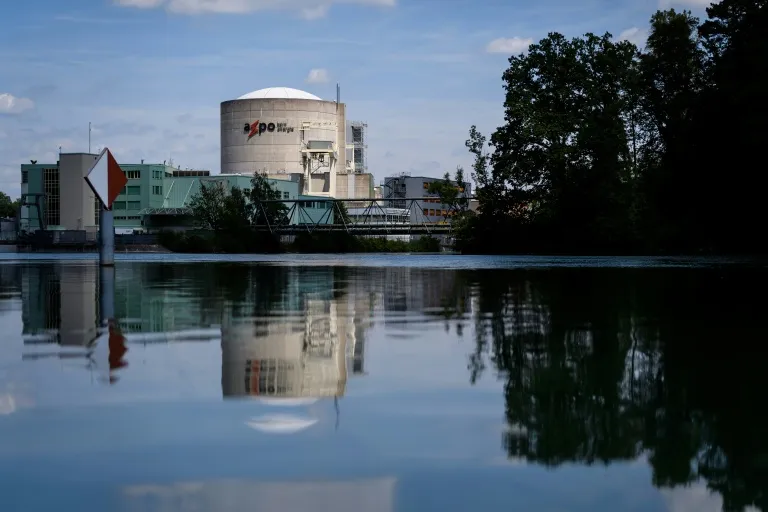
Switzerland’s Beznau nuclear power plant, home to Europe’s oldest operational reactors, has brought its second unit back online following disruptions caused by summer heatwaves. The plant’s operator, Axpo, announced that Reactor 2 resumed operations on Thursday, gradually returning to full power capacity expected within approximately two days. This follows the restart of Reactor 1 on August 21.
Beznau Plant’s Operational History and Heatwave Impact
The Beznau facility, situated in northern Switzerland, experienced significant operational challenges this summer due to record-breaking heatwaves across Europe. The soaring temperatures led to unusually high water temperatures in the Aare River, the primary source of cooling water for the plant. This environmental condition necessitated the temporary shutdown of its reactors to ensure safety and prevent damage.
Reactor 2 was initially taken offline on August 4 for scheduled refueling. During this maintenance period, 20 of the 121 fuel assemblies within the reactor core were replaced. However, the plant had already faced earlier shutdowns in June and July. These earlier closures were directly attributed to the elevated temperatures of the Aare River, a vital waterway that supplies nearly half of Switzerland’s water and eventually flows into the Rhine River.
Broader European Context of Nuclear Power and Heatwaves
The Beznau plant’s situation is not unique. Several other nuclear power facilities across Europe were compelled to either reduce their electricity output or cease operations temporarily during the summer months. The extreme weather conditions posed a widespread challenge to the reliable functioning of nuclear energy infrastructure, highlighting the vulnerability of these plants to climatic variations.
Nuclear power plays a crucial role in Switzerland’s energy landscape. It accounts for just over one-third of the nation’s total electricity production. The country relies on four aging nuclear reactors, including the two at Beznau, which collectively contribute approximately 10% of Switzerland’s overall electricity demand.
The Beznau Plant: A Historical Perspective
The Beznau nuclear power plant holds a significant place in the history of nuclear energy. Its Reactor 1 was first commissioned in 1969, followed by Reactor 2 in 1971. This makes the Beznau facility one of the oldest continuously operating nuclear power plants globally. The longevity of these reactors underscores the importance of ongoing maintenance, safety protocols, and adaptation to environmental challenges, such as those presented by recent climate extremes.
Challenges and Future Considerations for Aging Nuclear Infrastructure
The repeated shutdowns at Beznau due to high river temperatures raise important questions about the long-term viability of aging nuclear infrastructure in the face of a changing climate. While nuclear energy provides a stable, low-carbon source of electricity, its reliance on natural water bodies for cooling makes it susceptible to environmental shifts. Operators must continually assess and adapt cooling systems, potentially exploring advanced technologies or operational adjustments to mitigate the risks associated with extreme weather events.
The incident also brings renewed focus to Switzerland’s energy strategy. As the country navigates the transition away from fossil fuels and manages the decommissioning of older nuclear facilities, ensuring a reliable and sustainable energy supply remains paramount. The performance of existing plants like Beznau, particularly their resilience to environmental factors, will be a key consideration in these future energy planning discussions.
Conclusion
The successful restart of Beznau’s Reactor 2 marks a return to normal operations for Europe’s oldest nuclear power plant after a period of disruption. The summer’s heatwaves served as a stark reminder of the environmental challenges that can impact critical energy infrastructure. As the world grapples with climate change, the operational resilience of nuclear power plants, especially older ones, will continue to be a subject of scrutiny and innovation.
