

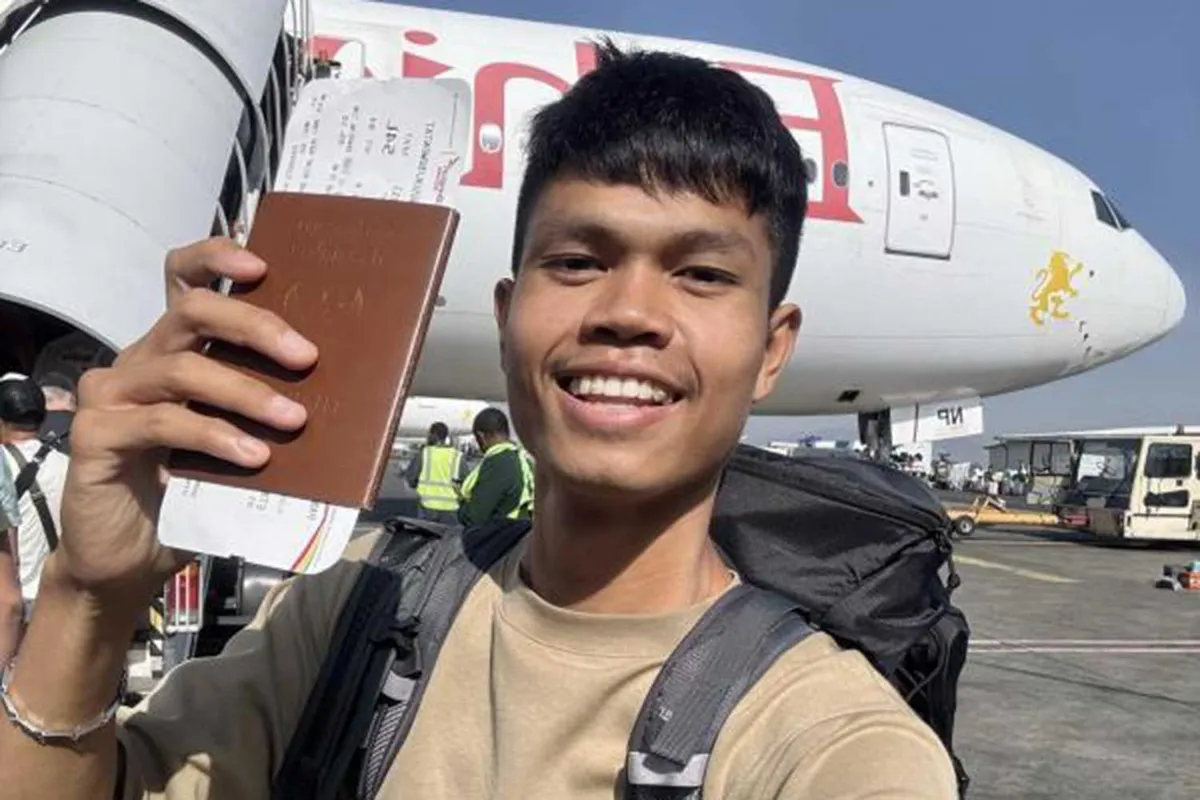
The family of Hlun Solo, a popular Thai travel YouTuber, is urgently seeking clarification regarding the circumstances surrounding his death in Georgia. A significant point of contention is the official death certificate issued by Georgian authorities, which reportedly omits any mention of the cause of his passing. This lack of information has fueled distress and uncertainty for his relatives, who are demanding a transparent explanation from the relevant Georgian officials.
Uncertainty Surrounds Hlun Solo’s Demise
Hlun Solo, known for his engaging travel vlogs that showcased diverse destinations and cultures, had a substantial following. His sudden death has sent shockwaves through his online community and, more profoundly, his family. While the exact date of his death and the location within Georgia have not been widely publicized, the core issue now revolves around the official documentation provided by the Georgian government.
According to reports, the death certificate issued does not specify how Hlun Solo died. In many jurisdictions, death certificates are crucial legal documents that provide vital information, including the cause of death, which is essential for various administrative, legal, and personal reasons. For a family grappling with the loss of a loved one, the absence of this critical detail on an official document only compounds their grief and raises serious questions.
Family’s Quest for Transparency
Hlun Solo’s family has expressed their deep concern and frustration over the ambiguity surrounding his death. They are reportedly working through diplomatic channels and legal avenues to obtain a more detailed account from Georgian authorities. The family’s primary objective is to understand the events that led to his death and to ensure that all necessary procedures were followed correctly. Without a stated cause of death, it becomes challenging to close this chapter and to process their loss adequately.
The lack of clarity on the death certificate is particularly troubling. Families often rely on such documents to initiate probate proceedings, claim life insurance, or simply to have a definitive understanding of what transpired. The absence of this information suggests potential complexities or a lack of conclusive findings at the time of issuance, prompting the family’s persistent inquiries.
The Role of Official Documentation
Death certificates serve as official records of a person’s passing. They are typically compiled based on information from medical professionals, coroners, or law enforcement, depending on the circumstances. The inclusion of the cause of death is a standard and critical component of this document in most countries. Its omission in Hlun Solo’s case raises questions about the investigative process in Georgia or the specific protocols followed in this instance.
Legal experts note that while some death certificates might initially list an undetermined cause pending further investigation, the continued absence of this information without a clear explanation is unusual and can be distressing for the bereaved. The family’s insistence on a clear explanation underscores the importance of accurate and complete vital records.
Navigating International Procedures
Dealing with the death of a loved one abroad presents unique challenges, often involving complex international legal and bureaucratic procedures. Hlun Solo’s family is navigating these difficulties while simultaneously seeking answers about the cause of death. Their efforts highlight the critical need for clear communication and cooperation between national authorities when such incidents occur across borders.
The Thai Ministry of Foreign Affairs is reportedly aware of the situation and is providing consular assistance to the family. However, obtaining specific details from a foreign government can be a lengthy and intricate process. The family’s public appeal for clarity aims to draw attention to their plight and potentially expedite the information-gathering process.
Broader Implications and Public Concern
The case of Hlun Solo has garnered attention not only from his followers but also from the wider public, who are sympathetic to the family’s difficult situation. It brings to light the challenges faced by families when dealing with the death of a loved one abroad, especially when official documentation is incomplete or unclear. The incident also underscores the importance of timely and transparent communication from authorities in such sensitive matters.
As the family continues their pursuit of answers, the focus remains on obtaining a definitive cause of death from Georgian authorities. Their quest for transparency is a testament to their commitment to honoring Hlun Solo’s memory and seeking closure during this profoundly difficult time.
