

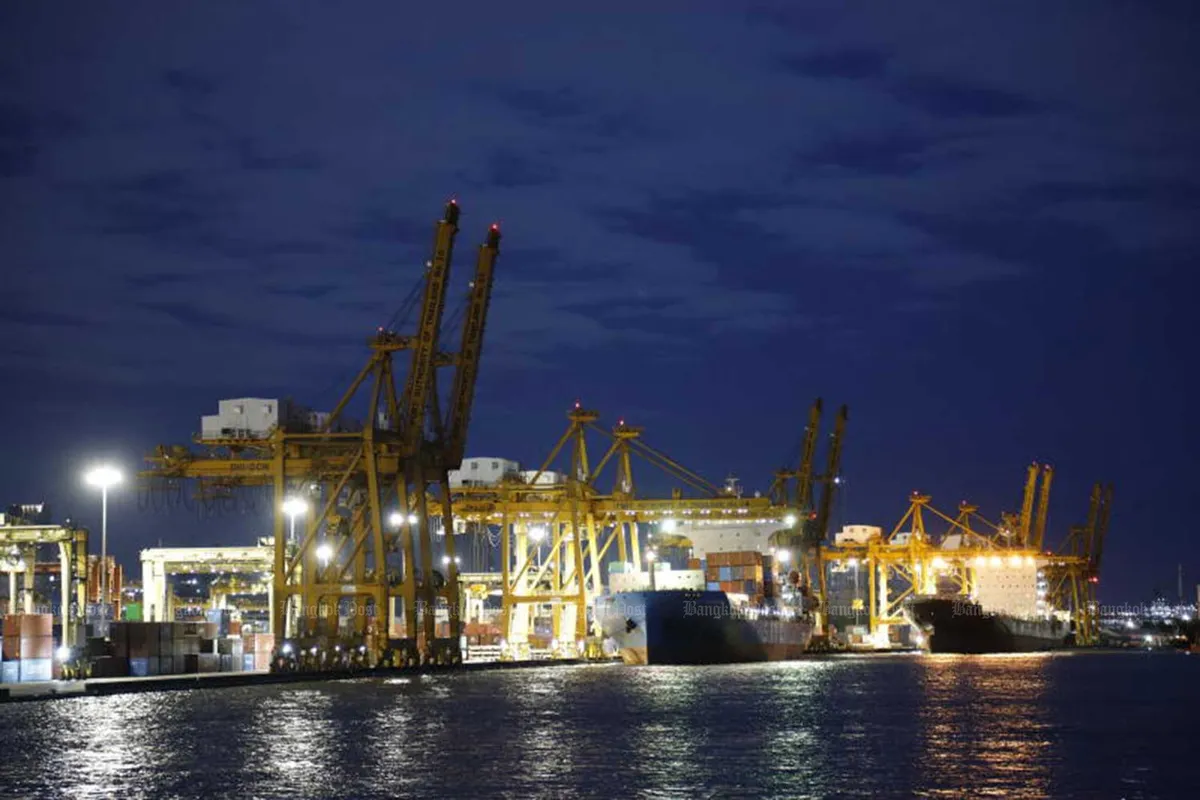
The Thai National Shippers’ Council (TNSC) has expressed significant concern regarding Thailand’s inclusion in a recent White House report focused on transshipment activities. This development has raised alarms among the nation’s shipping industry, which fears potential repercussions for the confidence the United States holds in Thai exports. The council is actively seeking clarification and dialogue with relevant authorities to address the implications of this report.
Understanding the White House Transshipment Report
While specific details of the White House report have not been widely disseminated to the public, its focus on transshipment activities suggests an examination of how goods are handled and rerouted through various countries before reaching their final destination, particularly the United States. Transshipment is a common practice in global logistics, where cargo is moved from one vessel to another or consolidated at an intermediate port. However, such reports can scrutinize these processes for various reasons, including trade compliance, security, and economic impact.
The TNSC’s apprehension stems from the potential for Thailand’s inclusion in this report to be misinterpreted or to signal perceived weaknesses in its export infrastructure or regulatory oversight. Such perceptions could, in turn, affect the willingness of U.S. importers and authorities to engage with Thai goods, potentially leading to increased scrutiny, delays, or even trade barriers.
Potential Impacts on Thai Exports
The primary worry for the TNSC is the erosion of confidence in Thai exports. The United States remains a crucial market for many Thai products, and any negative perception could have substantial economic consequences. Shippers are concerned about several potential impacts:
- Increased Scrutiny and Delays: Goods originating from or transiting through Thailand might face more rigorous inspections and customs checks upon arrival in the U.S., leading to longer lead times and increased logistical costs.
- Damage to Reputation: Being highlighted in a U.S. government report, even if focused on a specific logistical practice, could tarnish the overall reputation of Thai exports, making it harder for businesses to secure new contracts or maintain existing ones.
- Competitive Disadvantage: If other competing nations are not similarly flagged, Thai exporters could find themselves at a disadvantage, with buyers opting for goods from countries perceived as having smoother or less scrutinized transit routes.
- Policy Changes: The report might prompt policy discussions within the U.S. government, potentially leading to new regulations or tariffs that specifically target transshipment practices involving Thailand.
The Role of Transshipment in Global Trade
Transshipment is an integral part of the modern global supply chain. Major international ports often serve as hubs where cargo from various origins is consolidated onto larger vessels for long-haul voyages or broken down for distribution to smaller markets. For Thailand, its strategic geographical location in Southeast Asia makes it a natural candidate for such activities. Efficient port infrastructure and logistics networks are vital for facilitating this flow of goods.
However, the efficiency and transparency of transshipment processes are critical. Concerns can arise if transshipment is used to obscure the origin of goods, evade trade restrictions, or if the process itself is inefficient, leading to significant delays and increased costs. Reports like the one from the White House likely aim to assess these aspects within the context of international trade agreements and national economic interests.
TNSC’s Call for Action and Dialogue
In response to the report, the TNSC is advocating for a proactive approach. The council emphasizes the need for clear communication and collaboration between the Thai government, the private sector, and U.S. authorities. Key actions and requests from the TNSC include:
- Seeking Clarification: The council wants to understand the specific findings and concerns outlined in the White House report concerning Thailand’s transshipment practices.
- Engaging with Government Agencies: TNSC plans to discuss the matter with Thailand’s Ministry of Commerce and other relevant government bodies to formulate a coordinated response.
- Highlighting Thailand’s Strengths: The shippers’ council intends to emphasize Thailand’s commitment to international trade standards, its robust export sector, and the efficiency of its logistics networks.
- Promoting Transparency: Ensuring that Thailand’s transshipment processes are transparent and compliant with international regulations is paramount to rebuilding and maintaining confidence.
By addressing these concerns head-on, the TNSC hopes to mitigate any potential negative impacts and ensure that Thailand’s position as a reliable trading partner is upheld. The council’s proactive stance underscores the importance of international trade relations and the need for continuous dialogue to navigate complex global logistics and regulatory landscapes.
Conclusion
The inclusion of Thailand in the White House transshipment report presents a challenge that the nation’s shipping industry is keen to address. The Thai National Shippers’ Council is taking a vigilant approach, aiming to understand the report’s implications fully and to work collaboratively with governmental bodies to safeguard the confidence of U.S. importers. By focusing on transparency, efficiency, and open communication, the TNSC seeks to ensure that Thailand’s vital export sector continues to thrive in the global marketplace, unaffected by potential misinterpretations of its role in international logistics.
