

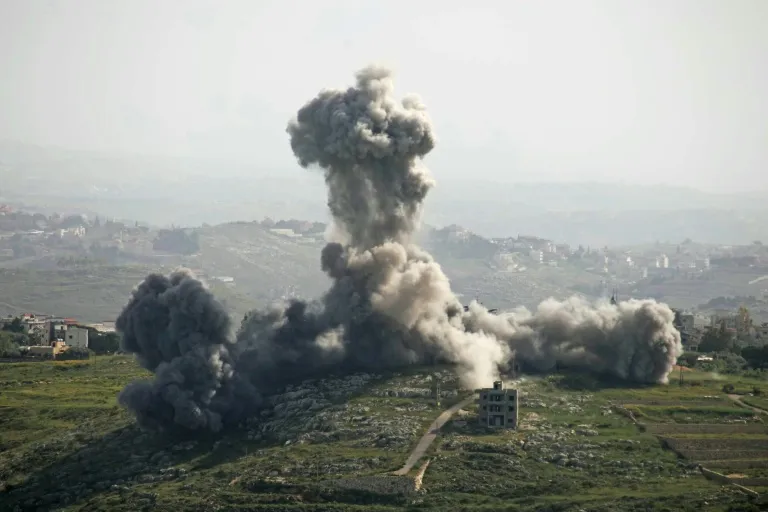
Lebanon and Israel prepare for a fresh round of negotiations in Washington as tensions persist, marked by recent Israeli airstrikes that claimed 22 lives, including eight children, in southern and eastern Lebanon.
Recent Airstrikes Escalate Violence
Israeli forces targeted approximately 40 sites across the region on Wednesday, according to Lebanese authorities. These strikes occurred just before the scheduled two-day talks at the US State Department.
Ceasefire Background and Extensions
The two sides last convened on April 23 at the White House, where US President Donald Trump extended the ceasefire by three weeks and expressed hope for a landmark agreement. Trump predicted a historic summit with Israeli Prime Minister Benjamin Netanyahu and Lebanese President Joseph Aoun, but it did not materialize. Aoun insisted on securing a comprehensive security deal and halting Israeli attacks first.
The truce, effective since April 17 and prolonged through Sunday, has seen over 400 fatalities from Israeli operations, based on data from Lebanese officials. Israel continues targeting Hezbollah, the Iran-backed Shia militant group and political entity, despite the ceasefire.
Key Statements from Leaders
Hezbollah launched cross-border attacks into Israel in response to the assassination of Iran’s Supreme Leader Ayatollah Ali Khamenei, which ignited the broader conflict on February 28. Netanyahu declared last week, after a strike in central Beirut eliminated a top Hezbollah commander, “Anyone who threatens the State of Israel will die because of his actions.”
A Lebanese official emphasized priorities for the upcoming discussions: consolidating the ceasefire and stopping the death and destruction.
US Mediation and Participant Details
This marks the third round of direct talks between the nations, which lack formal diplomatic ties. Unlike prior sessions, neither Trump nor Secretary of State Marco Rubio will attend, as the president travels to China.
US mediators include Ambassador to Israel Mike Huckabee, a vocal Israel supporter; Ambassador to Lebanon Michel Issa, a Lebanese-American businessman and Trump associate; and Mike Needham, a Rubio aide. Lebanon’s delegation features special envoy Simon Karam, a seasoned diplomat advocating for national sovereignty, alongside its Washington ambassador. Israel sends Ambassador Yechiel Leiter, a Netanyahu confidant linked to West Bank settlers.
The US State Department asserts that lasting peace requires Lebanon to fully restore state authority and disarm Hezbollah entirely. It views these talks as a departure from two decades of policies that empowered militants, weakened Lebanese governance, and threatened Israel’s northern frontier.
Regional Impact and Casualties
Since early March, over 2,800 people have died in Lebanon from Israeli actions, including at least 200 children, per official tallies—which encompass Hezbollah combatants. Strikes have focused on Shia-dominated areas like Beirut’s southern suburbs, with ground incursions reclaiming a border zone last held by Israel until 2000.
The conflict has expanded regionally, disrupting global markets and affecting millions. Iran insists on a permanent Lebanon ceasefire before broader war resolutions. Meanwhile, Netanyahu’s office claimed a clandestine UAE visit to meet President Sheikh Mohammed bin Zayed Al Nahyan, which UAE officials categorically denied, along with any Israeli military delegations.
