

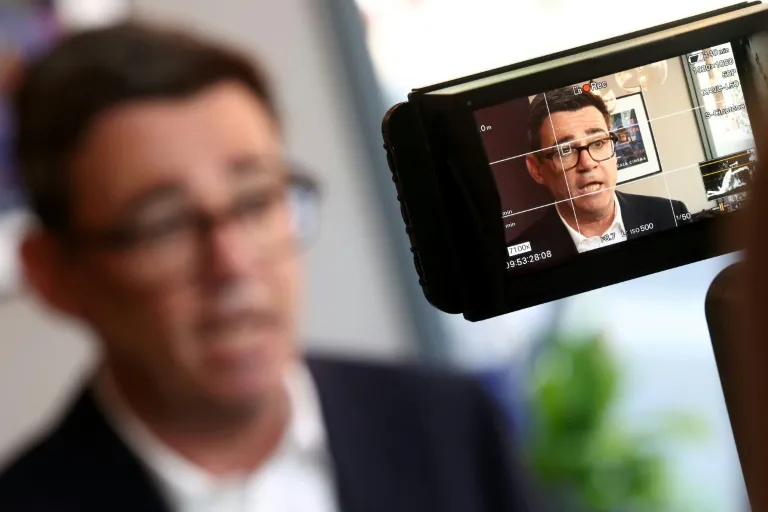
Prime Minister Andy Burnham is strategically reshaping his communication approach, leveraging platforms like TikTok and podcasts to connect with a broader audience, particularly younger demographics. This shift marks a departure from traditional media engagement, focusing instead on digital-native content creation and collaborations with popular online personalities.
Embracing Digital Platforms for Broader Reach
Burnham’s media strategy extends beyond his own social media accounts on platforms like X and TikTok. He has actively sought to expand his reach by appearing on entertainment-focused channels hosted by creators with substantial online followings. This approach aims to bypass traditional media gatekeepers and engage directly with audiences who may not consume news through conventional channels.
Steven Buckley, a lecturer in digital media sociology at City, University of London, noted that Burnham’s communications team appears to possess a more sophisticated understanding of the current media landscape compared to his predecessor. “Burnham has a far more astute communications team around him” with a “better grasp of the media environment,” Buckley observed.
Strategic Appearances and Collaborations
Early in his tenure, Burnham demonstrated this new strategy. During his first speech outside No. 10 Downing Street, he notably included teenage influencers who create TikTok content focused on Labour politics. This move signaled an intent to engage with and understand the digital discourse relevant to younger voters.
Further illustrating this pivot, shortly after establishing a regional office in his native northern England, Burnham granted an interview to Elizabeth Day, a writer known for her podcast “How to Fail.” This podcast features prominent figures reflecting on their past mistakes, offering a more personal and introspective platform.
On the day he assumed office, Burnham participated in “Career Ladder,” a popular TikTok series. In this show, UK-based Ukrainian creator Max Klymenko, who boasts 9.8 million followers, interviews celebrities about various professions while they stand on a step ladder. Burnham also engaged in a jogging interview with popular athlete Mo Farah, a figure with millions of followers across social media.
A Natural Communicator in the Digital Age
Burnham has garnered praise for his fluid and natural on-camera presence, which contrasts with the more reserved style often attributed to his predecessor. This perceived authenticity resonates well on visual platforms.
Clever editing techniques have been employed to enhance his digital content. For instance, a personal TikTok clip showed Burnham seemingly tossing a mortarboard hat and catching a builder’s helmet while promoting technical education. The video concluded with a lighthearted blooper, where Burnham fumbled the catch and laughed, humanizing his image.
The nature of platforms like TikTok, which do not permit political advertising, necessitates that content must earn viewership organically. One observer commented on his digital presence, using slang to say, “can’t lie the new gaffer is winning me over,” indicating a positive reception among some online communities.
In another personal post, Burnham was seen pulling a pint while announcing measures designed to support publicans. Noa Hoffman, a political correspondent for The Spectator magazine, highlighted this trend, stating, “He’s communicating through vertical video (designed to be viewed on a phone), through the likes of TikTok, through the likes of Instagram.”
Polling conducted by More in Common indicated that Burnham is successfully capturing the attention of young adults. The research found that over half of individuals aged 18-24 had encountered his content in the month prior. BBC politics specialist Laura Kuenssberg also commented on his communication skills, describing him as a “good natural communicator” on an in-house podcast.
Burnham himself acknowledged the role of his English degree in his communication style, telling podcaster Elizabeth Day that it helped him in “getting the emotion into what you do and what you say” and fostering a “connection with people.” Influencer and former reality TV star Georgia Harrison, with 1.3 million Instagram followers, praised his efforts, telling Times Radio, “He’s absolutely smashing it.”
Criticism and Traditional Media Concerns
Despite the positive reception from some quarters, Burnham’s focus on digital engagement has drawn criticism. Some commentators have dismissed the approach as prioritizing “vibes” over substance.
Esme Hewitt, social media editor for The Times, wrote critically, “This isn’t just a brand campaign for a new sparkling canned drink. It’s the people who are supposed to be running the country.” Similarly, right-wing presenter Piers Morgan questioned the strategy on X, asking, “Can you stop wasting your time and ours with these cringe videos.” The Daily Telegraph also characterized Burnham’s digital efforts as “cheap gimmicks.”
However, political rivals are also leveraging social media effectively. Reform UK, an anti-immigration party, has built a significant following online, with leader Nigel Farage commanding large numbers on platforms like TikTok and Facebook. This suggests a broader trend of political communication moving online.
Buckley elaborated on the evolving role of political leaders, stating, “These days, one of the roles of a prime minister is to act as a content creator.” While Burnham only launched his TikTok account in May, becoming dubbed the “first TikTok PM,” his predecessor, Keir Starmer, had posted on the platform earlier, though with less impactful content.
Burnham has granted interviews to traditional outlets like the BBC since taking office, but major national newspapers have yet to secure sit-down interviews. His team is actively pursuing “alternative message delivery methods,” recognizing that many individuals now consume news primarily through social media clips rather than direct engagement with traditional media sources, according to Buckley.
Jonathan Connolly of the political communications agency Inflect suggested that Burnham’s strong social media presence reduces his reliance on traditional media. However, he also predicted potential friction, anticipating a backlash from traditional media outlets that feel “frozen out” by the new communication strategies.
Conclusion: Navigating the New Media Landscape
Prime Minister Burnham’s adoption of TikTok, podcasts, and influencer collaborations signifies a deliberate effort to modernize political communication. While this strategy has been praised for its effectiveness in reaching new audiences and projecting a more relatable image, it has also faced criticism for its perceived superficiality. As political engagement continues to migrate online, Burnham’s approach may set a precedent for how future leaders navigate the complex and rapidly evolving digital media environment, balancing the need for broad reach with the expectations of substantive governance.
