

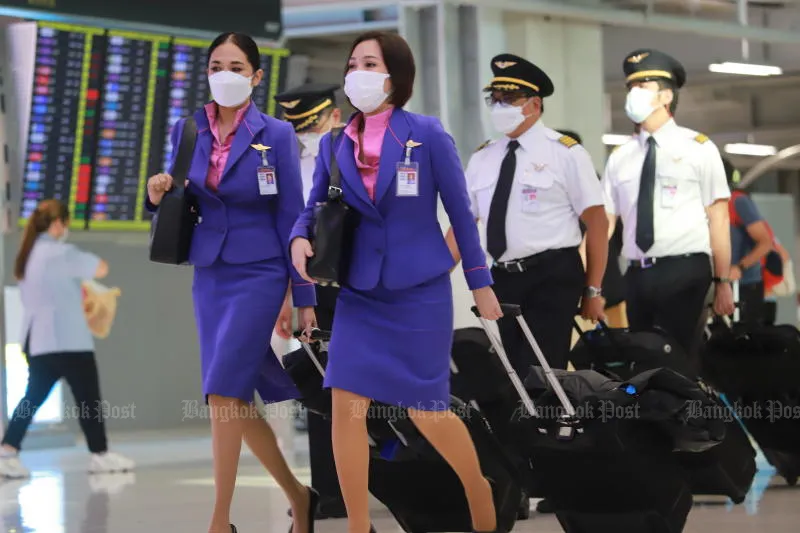
A recent high-level meeting has seen national carrier Thai Airways directed to enhance its flight network by incorporating more secondary airports across the country. The directive, revealed on Sunday, stems from discussions between Deputy Transport Minister Phattrapong Phattraprasit and executives from the airline.
Boosting Regional Connectivity and Tourism
The core objective behind this proposal is to significantly increase the utilization of local airports and to channel more international travelers towards less prominent tourist destinations. This strategic move aims to stimulate tourism and foster economic growth in these regions.
Currently, Thai Airways operates flights to major hubs including Chiang Mai, Chiang Rai, Khon Kaen, Ubon Ratchathani, Udon Thani, Hat Yai, Krabi, and Phuket. However, government officials are specifically pushing for an expansion of services to Krabi and Ubon Ratchathani, with the addition of Nakhon Si Thammarat to the airline’s route map being a key request.
Exploring New International Inbound Routes
Beyond domestic enhancements, Thai Airways has also been advised to explore the feasibility of establishing new international routes. The focus is on connecting key regional hubs such as Malaysia, Singapore, and Hong Kong directly to secondary airports like Krabi, Surat Thani, and Hua Hin. This initiative aligns with a broader government policy to develop air links between major cities and smaller, often overlooked destinations.
Airport Management and Airline Ownership
The nation’s airport infrastructure is largely managed by the Airports Department, which operates under the purview of the Transport Ministry. Ten larger, international airports are managed by Airports of Thailand Plc. While Thai Airways is no longer classified as a state enterprise, the Ministry of Finance maintains a substantial ownership stake of 38.90% in the airline.
